Last updated October 15, 2026




Free written scope consultation - allowances, timeline, and change-order rules on paper before a single trade is scheduled
DIY vs Professional Construction: The Tampa Homeowner’s Decision Guide
A Tampa homeowner who installs their own electrical panel as an owner-builder takes on personal liability for every future occupant. Florida law requires that fact to be disclosed on the seller’s disclosure form for ten years after the work is done. It is the single most common reason a Tampa home sale falls apart at the eleventh hour, and most families never see it coming. This guide maps which projects you can legally self-perform in Tampa, which ones quietly void your insurance coverage, and which ones will complicate your closing; for more, see our more guides & resources. By the end, you will know exactly where the line sits between a sensible Saturday project and a five-figure mistake.
Quick Answer
In Tampa, you can legally self-perform most interior finishing work like painting, trim carpentry, cabinet hardware, and non-structural shelving without a permit and without disclosure at sale. Anything touching electrical, plumbing, HVAC, structural framing, roofing, or windows requires a permit, and while Florida’s owner-builder exemption lets a homeowner pull that permit themselves, the work must still pass inspection and the exemption must be disclosed at sale. The practical answer: do the finish work yourself, hire a licensed contractor for the permitted scope, and never self-perform electrical, plumbing, or HVAC unless you are fully prepared to explain the work to an inspector, an insurance adjuster, and the family buying your house.
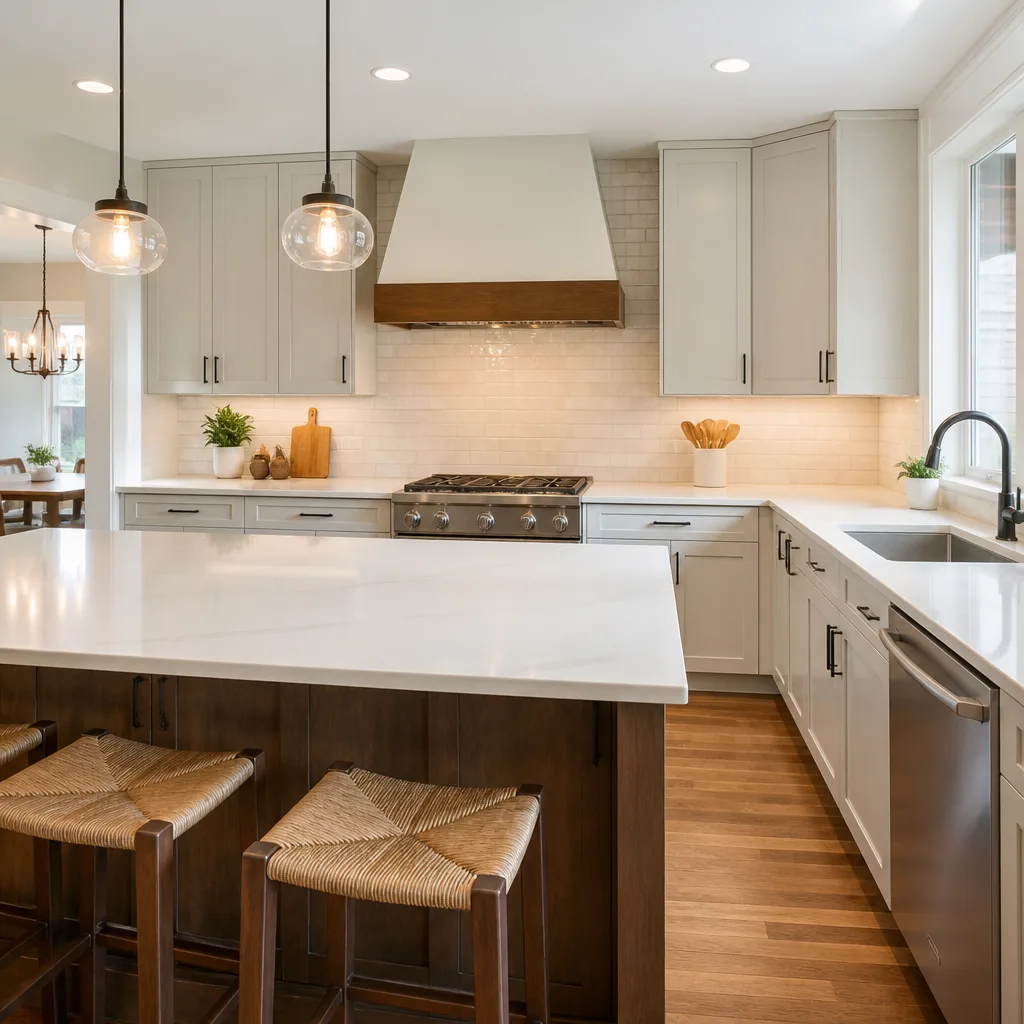
Styles & brands we work with



Key Takeaways
- Florida’s owner-builder exemption lets you pull permits yourself, but it carries a 10-year mandatory disclosure obligation at sale that can scare off buyers and lenders.
- Your standard HO-3 homeowners policy contains a workmanship exclusion that can deny a claim for damage caused by work you performed yourself, even if the work passed inspection.
- Interior painting, cabinet hardware, landscaping, and non-structural shelving are the four Tampa projects where DIY saves real money with zero legal exposure.
- Electrical, plumbing, and HVAC self-permits are where families lose the most: failed inspections, denied claims, and closing-day surprises.
- A hybrid approach, licensed contractor for the permitted scope plus your own finish work, protects your record and your resale value without paying contractor rates for paint rolling.
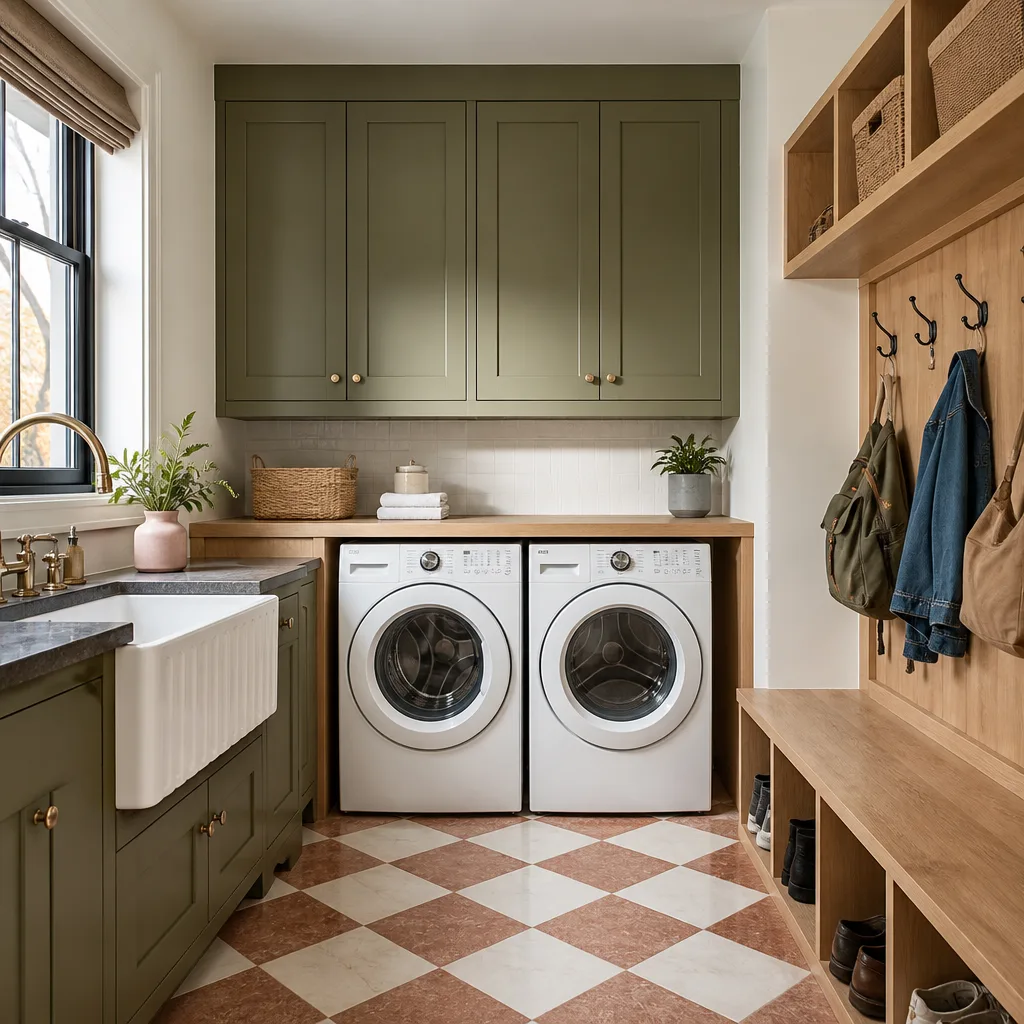
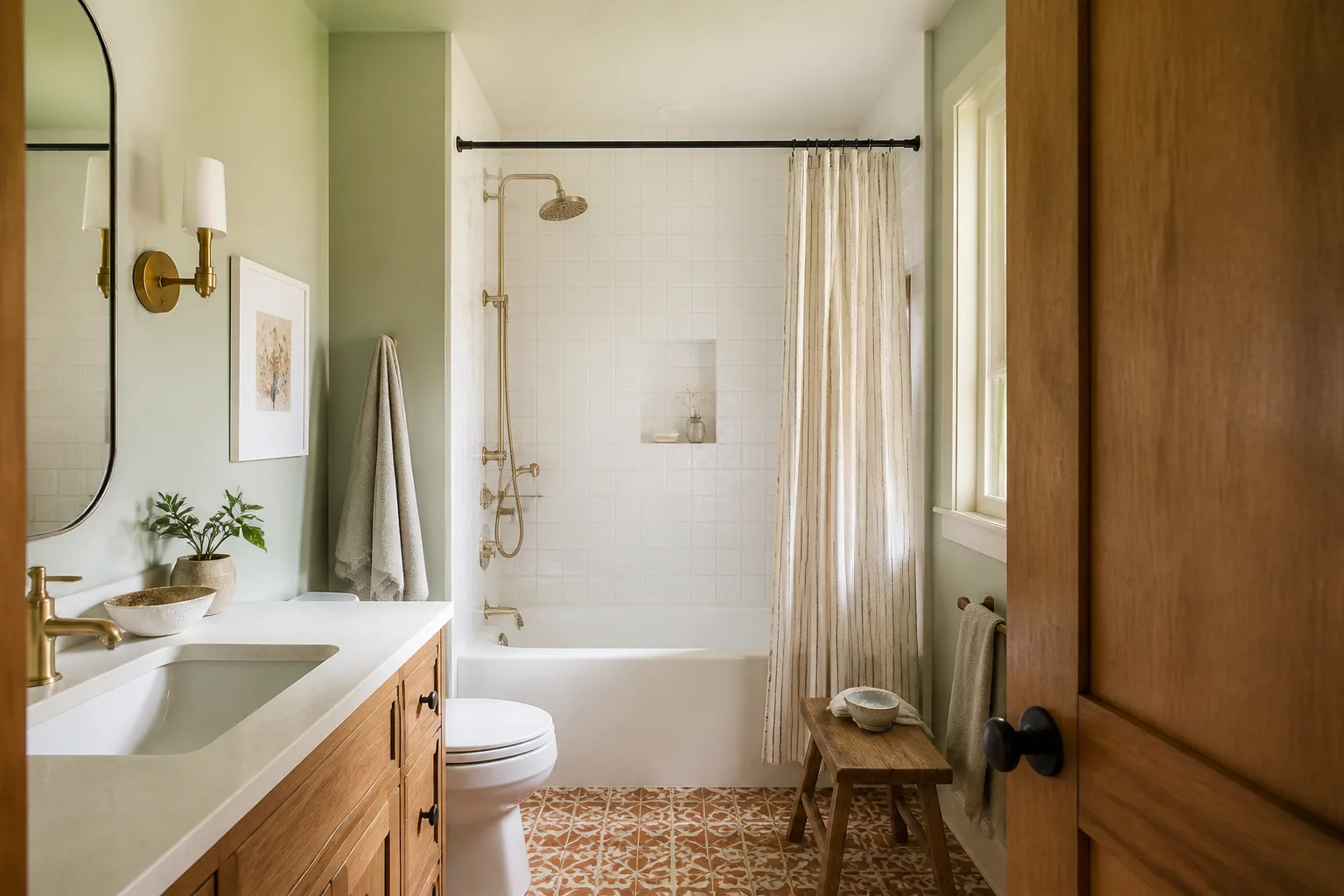
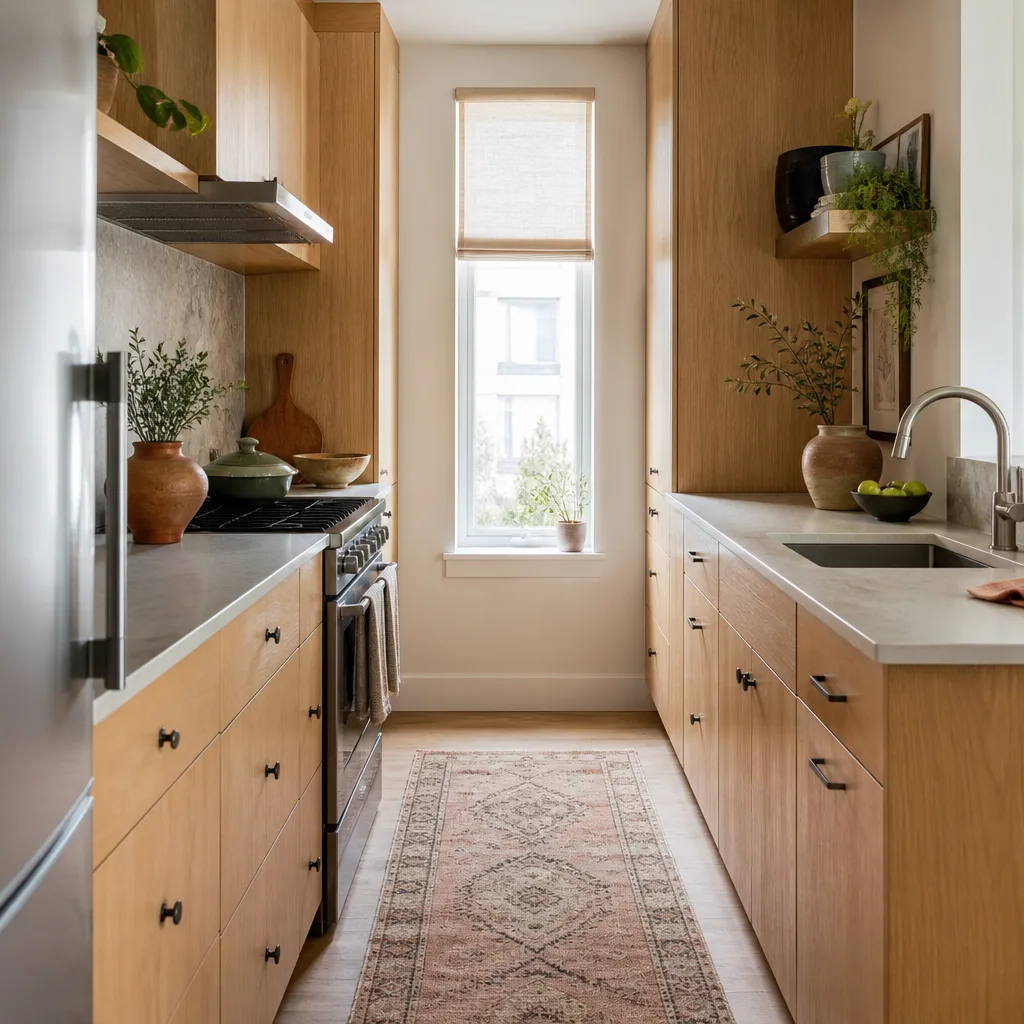
See the difference
 Before
 After
After Before
 After
After Before
 After
AfterTable of Contents
- Florida’s Owner-Builder Exemption, Explained Without the Legal Fog
- What Your Insurance Policy Says About DIY Work, and Why Nobody Reads It
- The Tampa Project-by-Project Risk Table: What You Can and Cannot DIY
- The Four Tampa Projects Where DIY Genuinely Saves Money
- Finishing Work vs. Structural Alteration: Where the Line Actually Sits
- The Hybrid Approach: Licensed Permit Scope, DIY Finish Work
- What Happens at Closing: Resale Disclosure and the DIY Paper Trail
- Common Mistakes to Avoid
- When to Call a Professional
- Frequently Asked Questions
Florida’s Owner-Builder Exemption, Explained Without the Legal Fog
Florida Statute 489.103(7) allows a homeowner to act as their own general contractor for work on their primary residence. That means you can pull permits in your own name for projects that normally require a licensed contractor. It sounds like a license to save money. It is not that simple.
The owner-builder exemption comes with three requirements every Tampa homeowner should understand before pulling a permit. First, the exemption applies only to your primary residence, not a rental property, a flip, or a second home. Second, the work must still be permitted and inspected by the City of Tampa or Hillsborough County building department, depending on your property location. Third, and this is the part most families miss, Florida law requires you to disclose on the seller’s property disclosure form that owner-builder work was performed. That disclosure obligation lasts ten years from the date of completion.
In our experience, that ten-year disclosure is the quiet transaction killer. A buyer’s lender will often ask for proof that the work was permitted and inspected. If the paperwork is incomplete, missing, or shows a homeowner name instead of a licensed contractor name, the underwriter may condition the loan on a re-inspection or an engineer’s letter. That delay can cost a seller their buyer. We have watched Tampa families in Carrollwood, Westchase, and Seminole Heights lose contracts over a bathroom remodel they did themselves six years earlier and stopped thinking about.
The Three Trades Where Self-Permitting Carries the Most Downstream Risk
Not all owner-builder work creates equal risk. Three trades stand out in Tampa because they combine high inspection scrutiny with high insurance and resale stakes.
- Electrical. A homeowner who pulls an electrical permit for a kitchen rewire is personally certifying that the installation meets the National Electrical Code as adopted by Florida. If a future occupant is injured or a fire starts and the work is found non-compliant, the homeowner’s name is on the permit record, not a contractor’s. The liability does not disappear when the house is sold.
- Plumbing. Tampa’s hard water accelerates wear on improperly installed supply lines and fittings. A DIY drain reconfiguration that passes inspection on paper may fail silently months later, and the insurance claim will trace back to the workmanship exclusion if the work was self-performed.
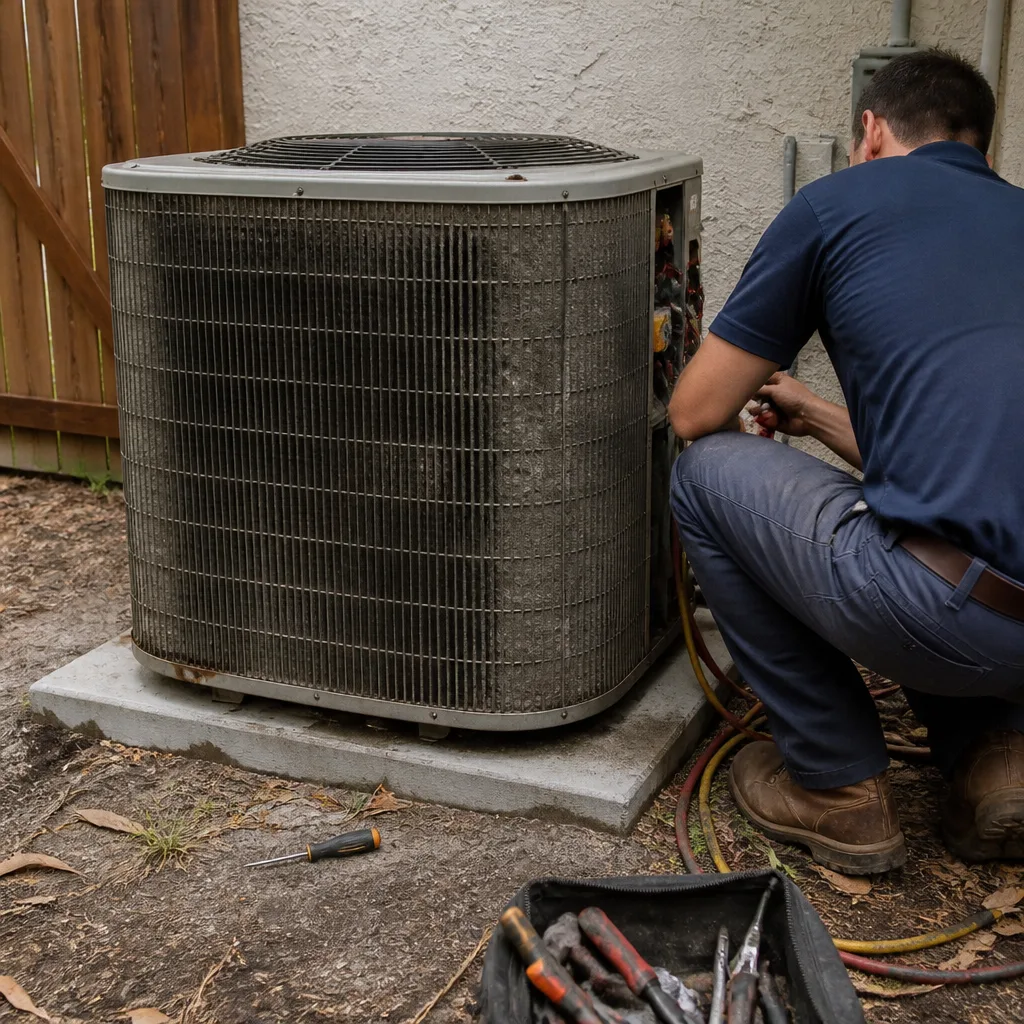
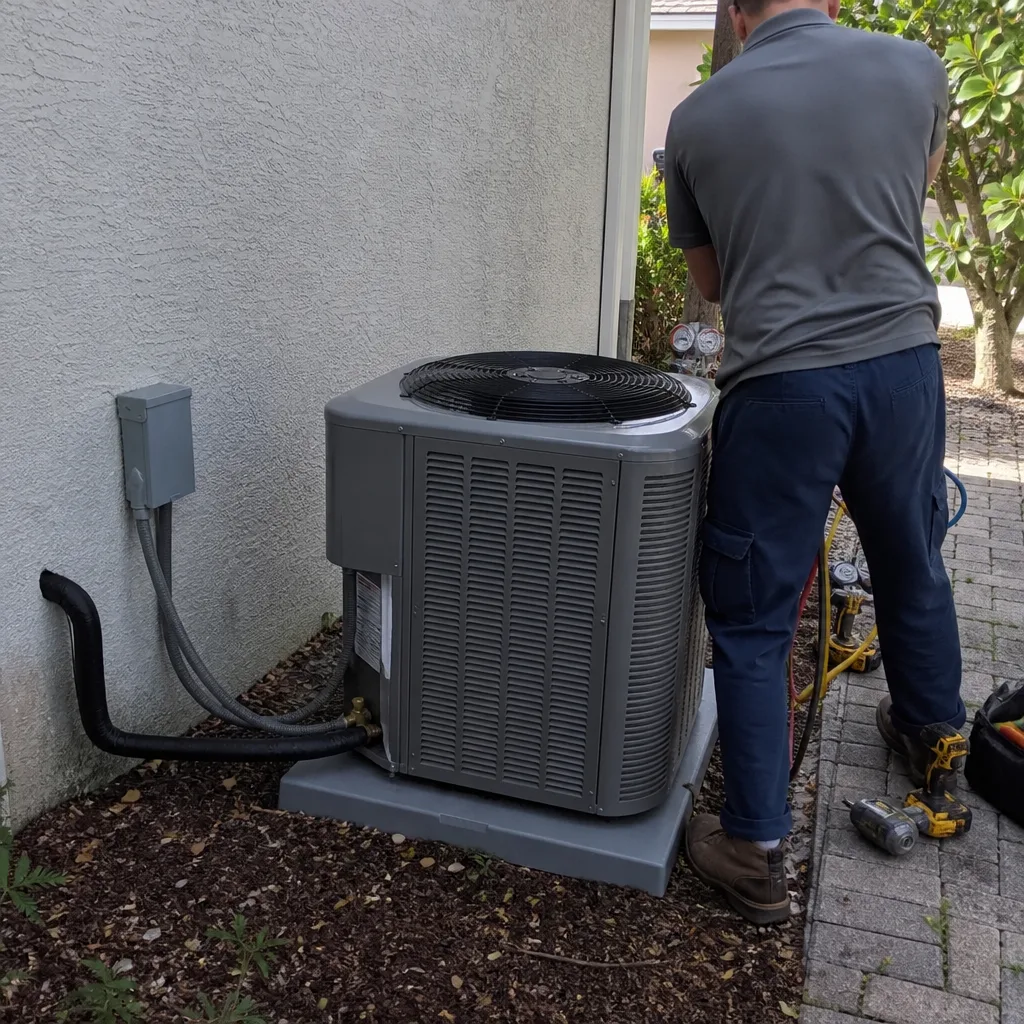
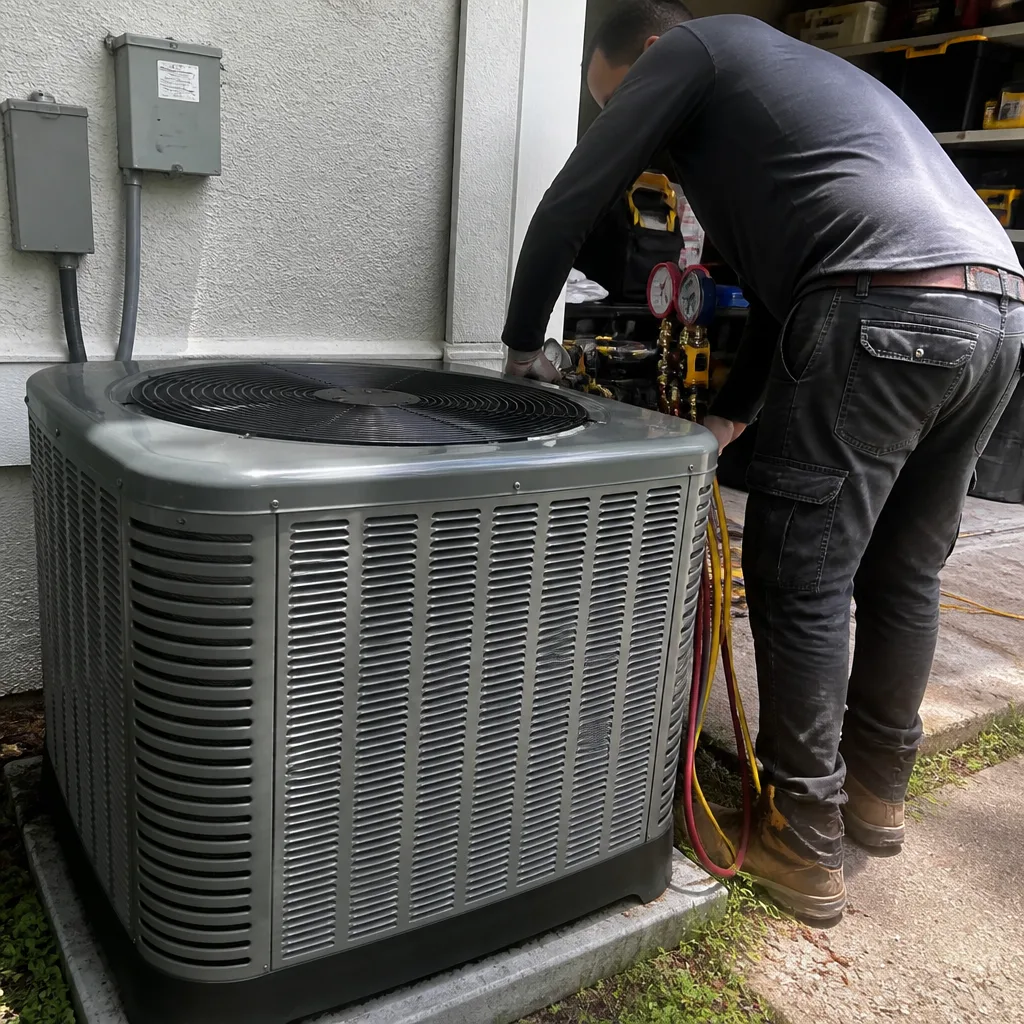
- HVAC. A new air handler or condenser installation requires refrigerant handling that is regulated at the federal level. Homeowners cannot legally purchase or handle refrigerants without EPA Section 608 certification. The owner-builder exemption does not override federal refrigerant law, which means a DIY HVAC swap is not just a permit risk; it can be a regulatory violation from day one.
Graham Stein, who leads Elmstead Remodeling Tampa, puts it plainly: the owner-builder exemption is a legal pathway, not a safety endorsement. It protects your right to do the work. It does not protect you from the consequences of the work.
What Your Insurance Policy Says About DIY Work, and Why Nobody Reads It
The standard HO-3 homeowners policy in Florida contains an exclusion for loss caused by “faulty, inadequate, or defective workmanship, repair, construction, or renovation.” The exclusion applies whether the work was done by a licensed contractor or by you. But here is the part Tampa homeowners miss: when the work was done by a licensed contractor, the contractor’s own general liability insurance is available to respond to a claim. When the work was done by you, there is no second policy. Yours is the only policy, and it likely excludes the very work that caused the damage.
Here is a concrete Tampa scenario. A homeowner in New Tampa replaces their own water heater supply lines. Six months later, a fitting fails and floods the first floor. The homeowners policy deny the water damage claim because the loss arose from defective workmanship, specifically the work the homeowner performed. The denied claim can total $40,000 to $70,000 in drywall, flooring, trim, and mold remediation. A licensed plumber in the same scenario carries liability insurance that covers the repair and the resulting damage.
The insurance issue is not about whether you did a good job. It is about whether a second insurance policy exists to catch the damage when something fails. Tampa’s humidity makes water damage worse and more expensive to remediate, which raises the stakes on any self-performed plumbing or fixture work.
How the Workmanship Exclusion Applies Even When Work Passed Inspection
Many homeowners assume that a passed inspection means the work is protected. It does not. A city inspection confirms code compliance at the moment of inspection. It does not certify workmanship quality, and it does not create insurance coverage. An inspection is a snapshot. Insurance is a safety net, and the net has a hole in it shaped exactly like self-performed work.
The Tampa Project-by-Project Risk Table: What You Can and Cannot DIY
The table below rates common Tampa home improvement projects by three measures: permit requirement under Florida and City of Tampa code, insurance risk if self-performed, and resale disclosure obligation. Use it as a first screen before you pick up a tool.
| Project | Permit Required? | Insurance Risk If DIY | Resale Disclosure? |
|---|---|---|---|
| Interior painting | No | None | No |
| Cabinet hardware replacement | No | None | No |
| Non-structural shelving | No | None | No |
| Landscaping and hardscape | Usually not | Minimal | No |
| Tile installation (cosmetic) | No | Low | No |
| Drywall patching (cosmetic) | No | Low | No |
| Deck building (attached to house) | Yes | Moderate | Yes, 10 years if owner-builder |
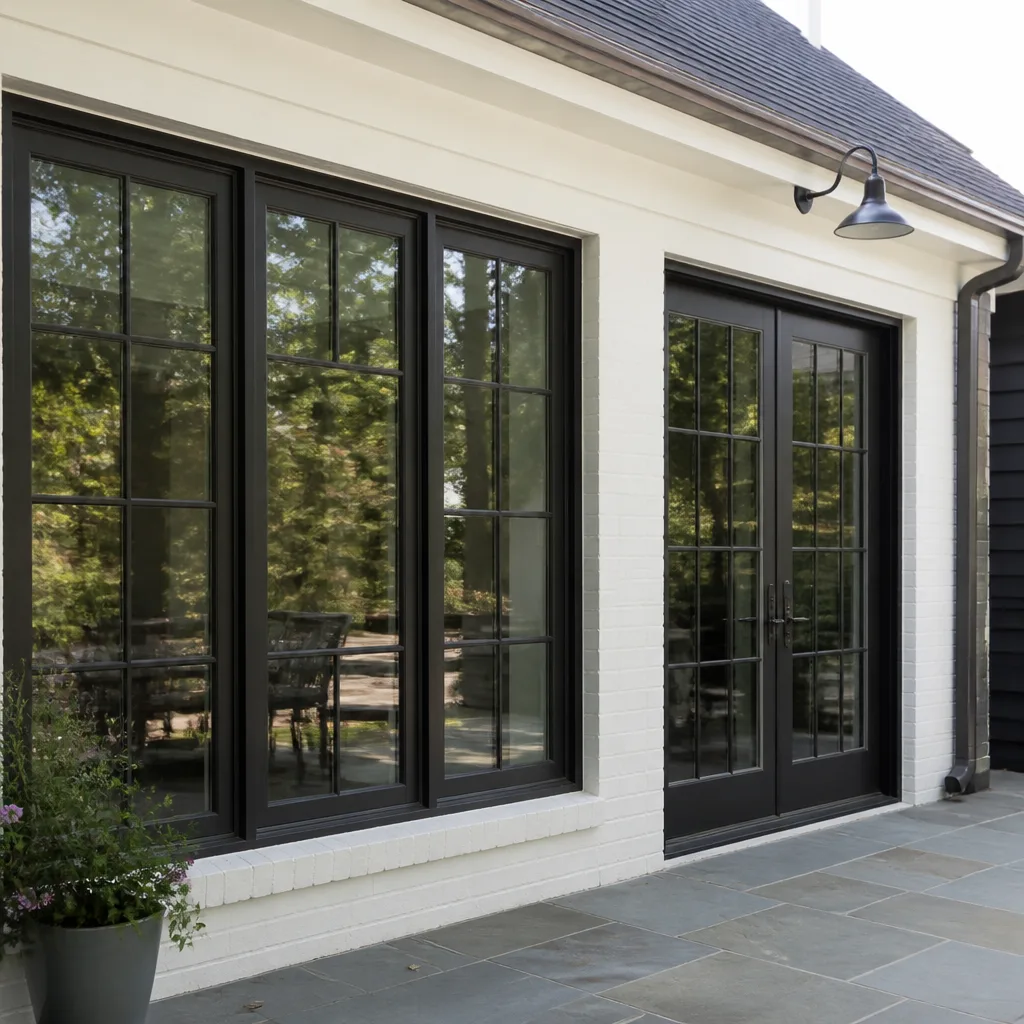
| Window replacement | Yes | Moderate | Yes, 10 years if owner-builder |
| Kitchen rewire | Yes | High | Yes, 10 years if owner-builder |
| Plumbing fixture relocation | Yes | High | Yes, 10 years if owner-builder |
Notice where the line sits. The projects in the top half of that table are finish work: cosmetic, removable, and invisible to code enforcement. The projects in the bottom half are systems work: structural, permanently attached, and tied to the house’s mechanical or electrical operation. The line between them is the line between a Saturday project and a recorded obligation.
The Four Tampa Projects Where DIY Genuinely Saves Money
We are not anti-DIY. We are pro-property-record. And there are four projects in a Tampa home where doing it yourself saves real money with essentially zero legal or insurance exposure.
- Interior painting. Tampa’s humidity does not materially affect interior paint application. A family in South Tampa can repaint a 2,000-square-foot house for $900 in paint and supplies from a local Sherwin-Williams or Benjamin Moore dealer. The same job contracted runs $4,500 to $7,000. No permit, no disclosure, no insurance implication.
- Cabinet hardware replacement. Swapping pulls and knobs on KraftMaid or Wellborn cabinets is a one-screwdriver job that transforms a kitchen for under $300. It does not touch the cabinet boxes, the fasteners, or any structural component. There is nothing to permit and nothing to disclose.
- Landscaping with non-structural hardscape. Pavers, mulch, native plantings like firebush and muhly grass, and simple stone borders fall outside Tampa’s permit requirements as long as you are not altering drainage patterns or retaining walls. This is the rare project where DIY labor savings run into the thousands with zero paperwork.
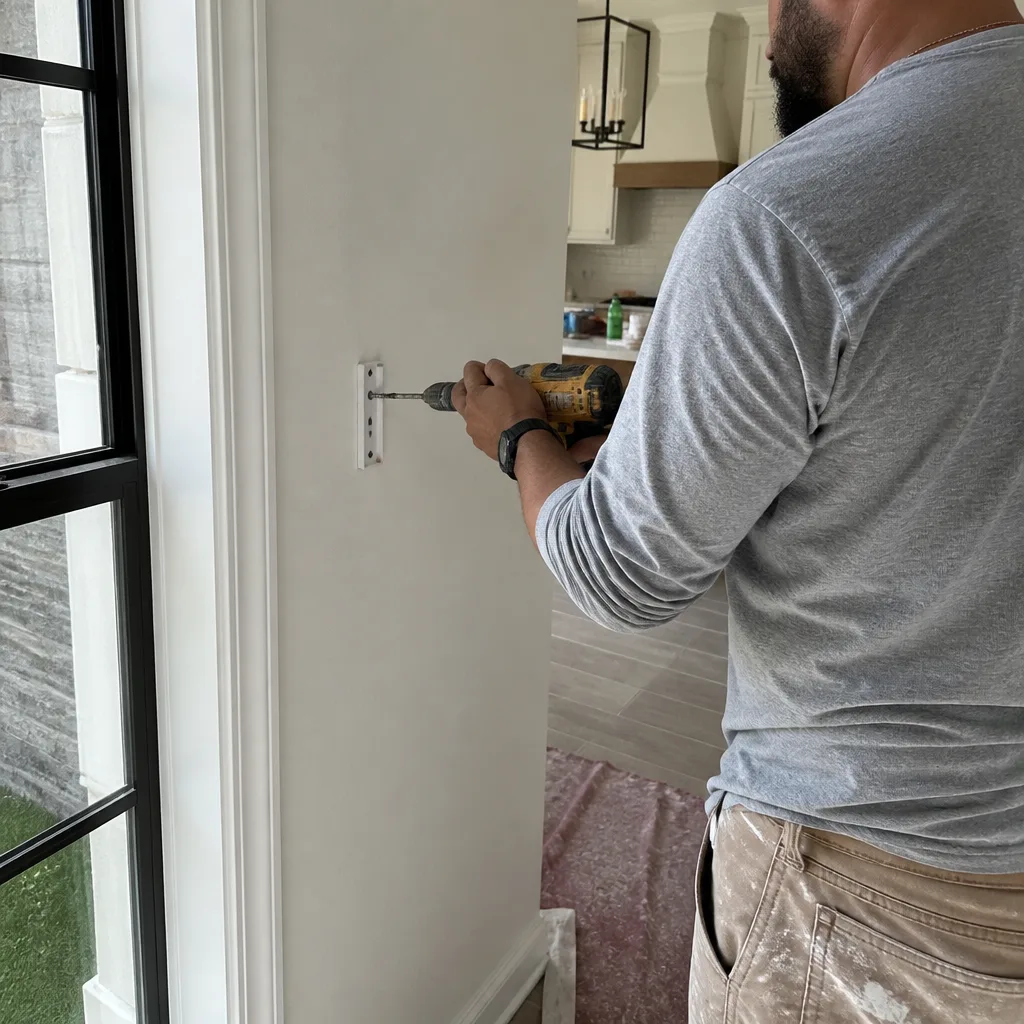
- Non-structural shelving and closet systems. Floating shelves, closet rods, and garage storage racks that do not bear wall load or alter framing are cosmetic by code. Use proper anchors rated for the wall material, and the project is invisible to any inspector, insurer, or future buyer.
The pattern across all four: nothing structural, nothing mechanical, nothing that requires cutting into a wall system, and nothing that alters the house’s load path or envelope. That is the safe DIY zone in Tampa.
Finishing Work vs. Structural Alteration: Where the Line Actually Sits
Florida building code draws a distinction between finish work and structural alteration, and that distinction controls permits, insurance, and disclosure. Finish work is cosmetic: paint, trim, flooring, cabinet fronts, countertop installation over existing cabinets. Structural alteration is anything that changes the building’s load path, mechanical systems, or envelope: moving a wall, adding a beam, rewiring a circuit, moving a drain, replacing a window, cutting a roof penetration.
The line is not always obvious. Replacing a kitchen faucet is finish work. Moving the supply lines behind the wall to accommodate a new sink configuration is plumbing alteration that requires a permit. Installing a new vanity is finish work. Moving the drain rough-in to center a new vanity is plumbing work. Replacing cabinet doors is finish work. Removing a wall between the kitchen and dining room is structural alteration that requires an engineered plan and a permit.
Here is a practical test we share with Tampa homeowners. Ask one question: will this project change how the house sheds water, holds weight, or carries electricity? If the answer is yes, it is not finish work. If the answer is no, and you can reverse the change with a screwdriver and a putty knife, you are in DIY territory.
The Hybrid Approach: Licensed Permit Scope, DIY Finish Work
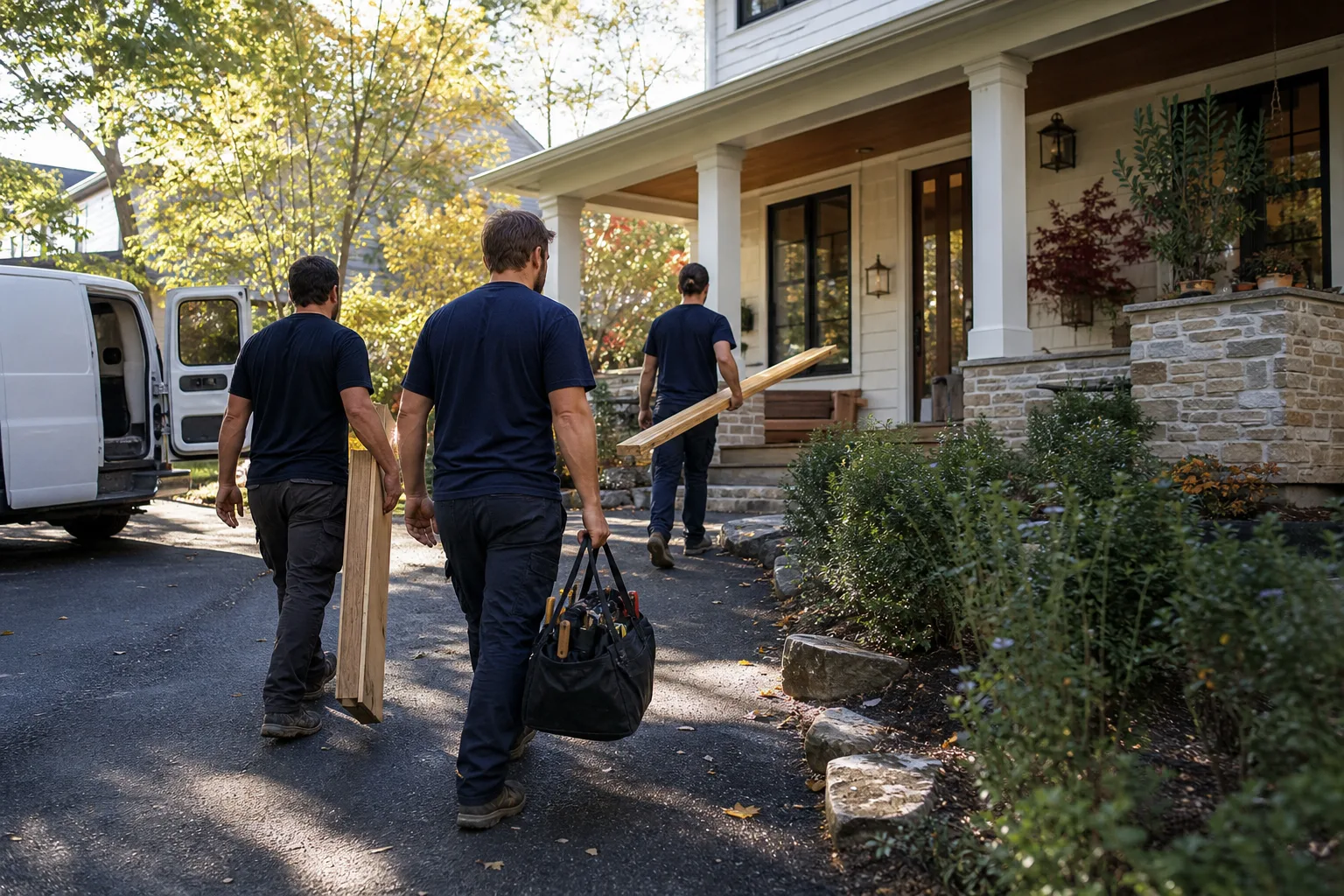
The smartest Tampa homeowners do not choose between DIY and contractor. They split the job. They hire a licensed general contractor for the permitted, inspected, structural scope and do the finish work themselves. This hybrid approach protects the property record while saving thousands on paint rolling, trim installation, and hardware swapping.
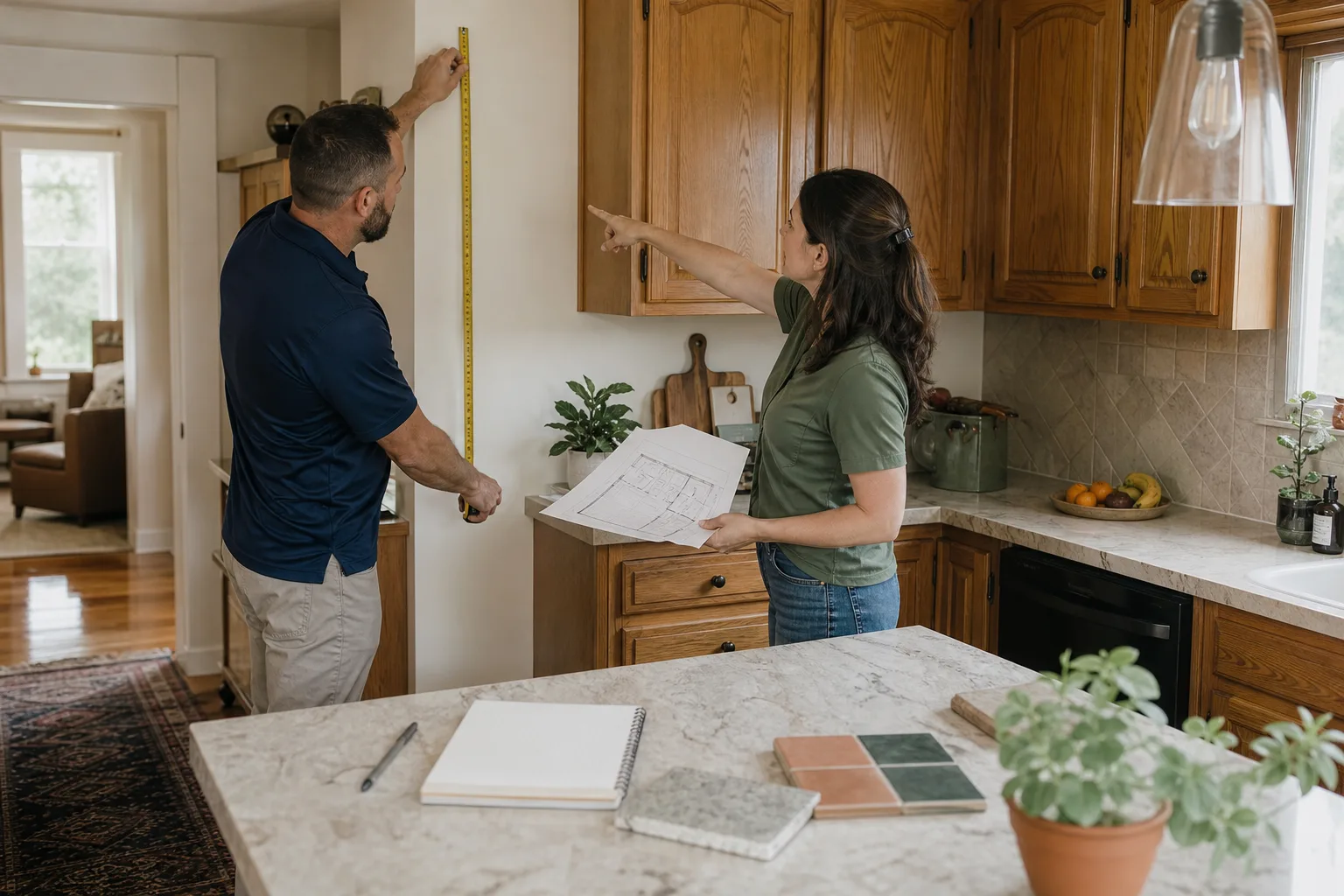
Here is how it works on a kitchen remodel. The permit covers the electrical, plumbing, wall changes, and any structural work. A licensed General Contractor in Tampa pulls the permit, schedules the inspections, and stands behind the work with their license and insurance. Once the inspection passes and the drywall is closed, the homeowner handles the finish scope: painting, cabinet hardware, shelf installation, and trim touchups. The permit record shows licensed contractor work. The insurance picture is clean. The resale disclosure is simple. And the family saved the $8 to $12 per square foot that contracting out paint work would have cost.
We have helped families in Seminole Heights, Davis Islands, and Westchase structure exactly this arrangement. A Kitchen Remodeling in Tampa project where the contractor does the demolition, rough-in, framing, and closing, and the homeowner does the paint and hardware, is a perfectly legal and well-documented arrangement under Florida law. The key is a clear written scope of work that separates the two responsibility areas before the project starts.
What Happens at Closing: Resale Disclosure and the DIY Paper Trail
Florida’s seller disclosure form is a standardized document that asks specific questions about the property’s condition and history. One of those questions asks whether the seller is aware of any improvements made without required permits or inspections. Another asks about any additions, alterations, or repairs done in the last ten years. A homeowner who self-performed permitted work under the owner-builder exemption must disclose it. A homeowner who self-performed work that should have been permitted must also disclose it, and that one is worse.
The paper trail matters more than the work quality. Buyers and their lenders want to see three things on any permitted project: a permit record with a licensed contractor name, a passed final inspection, and no open code enforcement actions. When the permit record shows a homeowner name, the lender often requires additional documentation: an engineer’s letter, a re-inspection by a licensed contractor, or both. That process takes weeks and costs $1,500 to $5,000, and the seller pays it or loses the buyer.
Tampa’s real estate market moves fast, and a closing delay is a deal risk in any market. A family in Carrollwood who spent four weekends building their own deck in 2019 may not realize until 2025 that the deck has no permit record, and their buyer’s lender conditions the loan on a structural engineer’s certification. The deck is fine. The paper is missing. The deal is dead, and the next buyer will ask for a price reduction.
The single best thing a Tampa homeowner can do for resale value is keep a clean permit record with licensed contractor names on every structural, mechanical, and electrical project. The finish work is invisible. The permit record is not.
Named-Brand Materials and the DIY Question
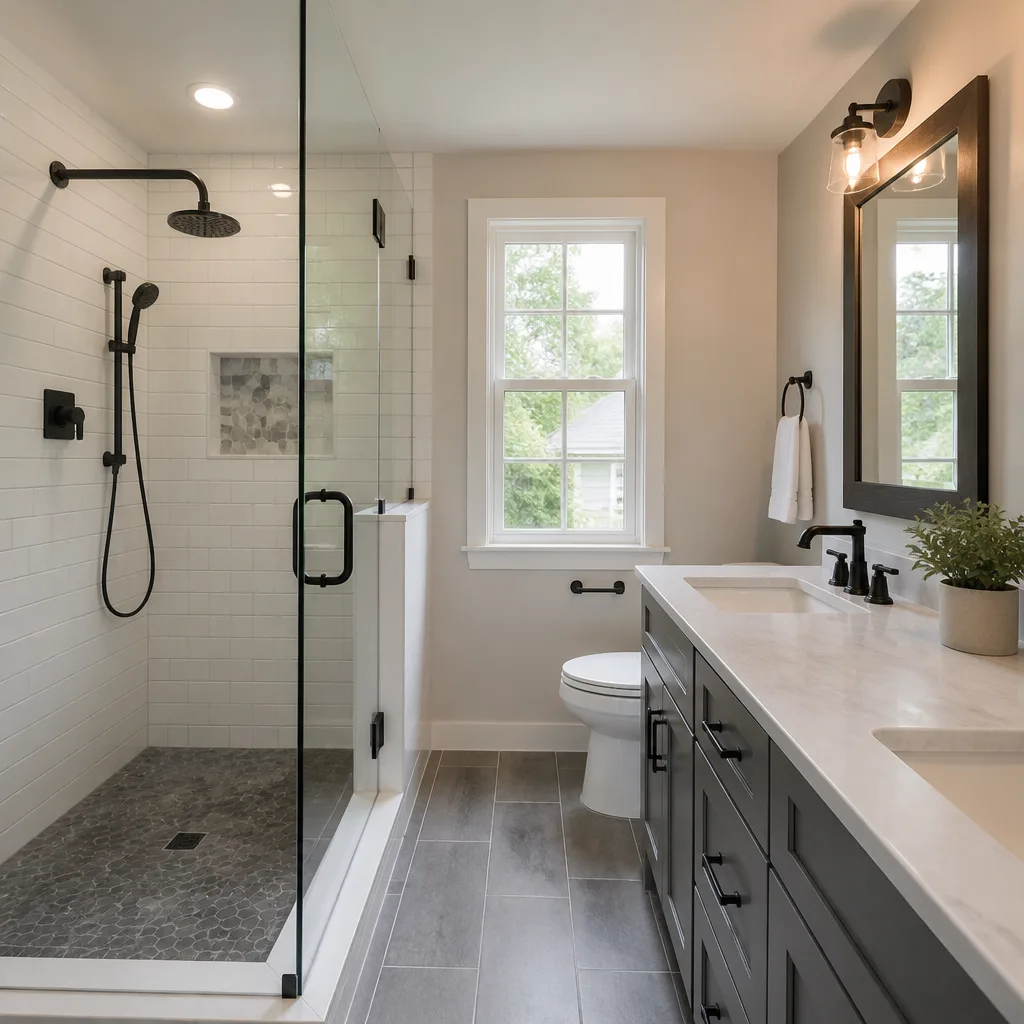
One more factor to consider: the materials you install matter at resale, and named-brand products carry manufacturer warranties that transfer with the house. A homeowner who installs an off-brand faucet saves $80 at the store and gives up a lifetime warranty from Moen or Kohler. A homeowner who installs a no-name window system gives up the transferable warranty that a product like a Therma-Tru door or an ECO Window Systems window carries. A Bathroom Remodeling in Tampa project built with Cambria or Silestone countertops and Kohler fixtures carries paper that a future buyer can verify. The DIY savings on materials often disappear when the warranty does not exist.
This is not an argument against DIY. It is an argument for knowing what the brand name buys you. Manufacturer warranties are paper assets. They follow the house, they satisfy lenders, and they close buyers. When you self-perform work, choose materials with transferable warranties and keep the receipts and warranty cards with your closing documents.
Common Mistakes to Avoid
- Pulling an owner-builder permit for electrical work without understanding the disclosure obligation. You will have to disclose it at sale for ten years, and the lender may condition the loan on re-inspection. The savings rarely cover the closing cost.
- Assuming a passed inspection means the work is insured. The workmanship exclusion in your HO-3 policy applies to self-performed work even when the city signed off. A passed inspection is not an insurance policy.
- Replacing windows without a permit. Tampa’s wind-load requirements are specific, and unpermitted windows are the most common closing-day defect we see on South Tampa and Bayshore homes. The buyer’s home inspector will flag them, and the deal will stall.
- Moving a kitchen drain or supply line without a plumbing permit. Tampa’s hard water makes leaks more likely, and a self-performed plumbing alteration that fails voids the resulting damage coverage. This is the most expensive DIY mistake we see on the city’s older housing stock in Seminole Heights and Tampa Heights.
- Not keeping the permit file. The paper matters more than the work. Keep every permit, inspection certificate, and contractor invoice in one folder for the life of the house. Future buyers and their lenders will ask.
- Choosing off-brand materials to save a few hundred dollars. The manufacturer warranty is a resale asset. Kohler, Moen, Cambria, and James Hardie paper travels with the house and satisfies buyers who ask questions.
When to Call a Professional
Call a licensed contractor when the project touches electrical, plumbing, HVAC, structural framing, roofing, or windows. That is the short answer. The longer answer: call when the work requires a permit that will live on your property record, because a licensed contractor name on that record protects your resale value, your insurance posture, and your disclosure obligations. We are glad to walk you through the decision for your specific project. The Elmstead Remodeling Tampa home page lays out how we work, and we answer the phone with a live person 24/7. Elmstead Remodeling Tampa offers free estimates in Tampa, call (850) 779-4017 and ask for the written price before any work starts.
Frequently Asked Questions
Yes. Florida Statute 489.103(7) allows a homeowner to act as their own contractor on their primary residence under the owner-builder exemption. The work must still be permitted and inspected, and the exemption must be disclosed at sale for ten years. The exemption does not apply to rental properties or investment properties.
No permit is required for interior or exterior painting in Tampa. Painting is considered finish work under Florida building code and does not require a permit, does not trigger insurance implications, and does not require disclosure at sale. This is one of the highest-value DIY projects available to a Tampa homeowner.
You will be legally obligated to disclose the unpermitted work on the Florida seller’s disclosure form. A buyer’s lender may condition the loan on a re-inspection, an electrician’s certification, or a price reduction to cover remediation. Unpermitted electrical work is one of the most common reasons Tampa home sales collapse before closing.
Generally no. The standard HO-3 policy excludes damage arising from faulty or defective workmanship, and that exclusion applies to self-performed work even when the work passed inspection. Hiring a licensed contractor adds a second insurance policy that can respond to a damage claim, which is the primary financial protection of using a professional.
A licensed contractor scope combined with homeowner finish work can reduce total cost by 15 to 25 percent; learn more in How to Hire a Construction Contractor in Tampa: A Step-by-Step Guide. A mid-range Tampa kitchen remodel typically runs $35,000 to $75,000 when fully contracted. Handling painting, cabinet hardware, and shelving yourself can save $5,000 to $12,000. Call (850) 779-4017 for an exact quote on your project, estimates are free and written before any work starts.
In most cases, no. A bathroom remodel involves plumbing and often electrical work, both of which carry high insurance and resale risk when self-permitted. The savings on contractor overhead are typically 10 to 15 percent of the project cost, while the disclosure obligation lasts ten years. Most Tampa families find the hybrid approach, contractor for the permitted scope plus DIY finish work, delivers better value with less exposure.
The Bottom Line
The Tampa DIY decision is not about whether you can do the work. It is about whether the work will follow you. Painting, hardware, shelving, and landscaping are safe DIY projects that save real money with zero paperwork. Electrical, plumbing, HVAC, structural, roofing, and window work belong on a licensed contractor’s permit record, where a second insurance policy and a professional name protect your resale value and your family’s financial future. The hybrid approach, contractor for the permitted scope and DIY for the finish work, captures most of the savings with none of the exposure. When you are ready for the permitted half, we are here. Written by Graham Stein, Owner at Elmstead Remodeling Tampa, serving Tampa since 2005.