Last updated October 15, 2026






Free written scope consultation - allowances, timeline, and change-order rules on paper before a single trade is scheduled
Construction Permits, Codes & Inspections in FL: What You Need to Know
Florida adopted the Florida Building Code in 2002 for a reason that still shows up in Tampa attics and exterior walls: after Hurricane Andrew tore through Homestead in 1992, investigators found that permitted, inspected homes survived at dramatically higher rates than homes where inspections were skipped, rushed, or never filed. What gets inspected is not the pretty surface. It is the connection between the roof and the wall, the strap holding the truss, the gauge of the nail, the depth of the footing. This guide walks through the permit, code, and inspection process in Florida from a Tampa contractor’s view, and you can find more guides & resources on our blog; here, you’ll learn what is being checked, who is checking it, and how to confirm the work inside your walls is legal before you pay the final invoice.
Styles & brands we work with

Quick Answer
In Florida, any structural change, electrical panel work, window replacement in a wind-borne debris region, plumbing alteration, or roof replacement requires a permit and inspections. The Florida Building Code sets the minimum standard, local jurisdictions like Hillsborough County and the City of Tampa enforce it with their own inspection checkpoints, and the homeowner’s real protection is a permit that is both pulled AND closed. Skipping either step can delay a home sale years later.
Table of Contents
- Why Florida’s Building Code Exists and Why It Is Stricter Than Most States
- Hillsborough County vs. City of Tampa: Who Inspects What and Why the Address Matters
- Which Remodeling Scopes Always Require a Permit in Florida
- Gray-Area Projects Homeowners Misjudge
- What Happens During a Rough-In Inspection and a Final Inspection
- How to Pull a Permit as a Homeowner-Builder in Florida
- How to Confirm Your Contractor Actually Pulled and Closed the Permit
Why Florida’s Building Code Exists and Why It Is Stricter Than Most States
Florida’s building code was not written as a bureaucratic obstacle. It was written as a response to a documented failure. Before 2002, Florida had a patchwork of local codes. Some counties enforced wind standards, some did not. After Hurricane Andrew caused an estimated $26 billion in damage, investigators studied which homes failed and which survived. The pattern was consistent: homes built under a permit with inspections held up. Homes where framing connections were never checked failed at the roof-to-wall connection first.
That single finding shaped what inspectors look at today in Tampa. When an inspector walks a Tampa home for a framing inspection, the first thing they check is not whether the wall is straight. They check the hurricane straps, the anchor bolts, the nail pattern on the sheathing, the size of the header over the window. The code lives in those connections. In a wind-borne debris region like Hillsborough County, windows and doors must be impact-rated or protected by shutters. That is not a preference. That is code section R301.2.1.2, and an inspector has the authority to fail the job if the paperwork for the window does not match the window installed.
For Tampa homeowners, the code is the reason a permitted remodel holds up in a storm and in a sale. The inspection record becomes proof. Any General Contractor in Tampa who pulls permits is creating a paper trail that a future buyer’s lender will look for.
Hillsborough County vs. City of Tampa: Who Inspects What and Why the Address Matters
The most common permit confusion in Tampa is jurisdiction. A home can have a Tampa mailing address and still sit in unincorporated Hillsborough County. A home three blocks away can have a Tampa address and fall under City of Tampa inspection. The difference changes which online portal you file through, which fee schedule applies, which inspector shows up, and which code amendments are in effect.
Hillsborough County and the City of Tampa both enforce the Florida Building Code, but each jurisdiction operates its own building department with its own interpretations, its own amendment list, and its own inspection windows. Hillsborough County inspects unincorporated areas like Brandon, Riverview, Carrollwood, and Lutz (depending on the specific parcel). The City of Tampa inspects homes inside the municipal boundary, including neighborhoods like Seminole Heights, Hyde Park, Palma Ceia, and Westchase (where the address falls inside city limits).
Here is what this means in practical terms for a remodel:
- Your permit address must be confirmed before filing. A contractor who files with the wrong jurisdiction gets the application rejected, and the clock restarts. That is a two-week delay on a kitchen remodel before a single cabinet is ordered.
- Code amendments differ. Hillsborough County has local technical amendments to the Florida Building Code, and the City of Tampa has its own. A window installation that passes county inspection may not pass city inspection if the product approval paperwork is not filed the way that jurisdiction wants it.
- Inspection scheduling differs. Both jurisdictions use online scheduling, but inspection windows and the number of inspections per day vary by office and by season.
If you live near a boundary line, ask your contractor to verify the jurisdiction by parcel number before the permit application is submitted. The fastest way to lose a week is to file in the wrong place.
Which Remodeling Scopes Always Require a Permit in Florida
Florida law lists work that requires a permit in Section 105 of the Florida Building Code. The list is broad, and homeowners routinely underestimate it. If you are planning a Kitchen Remodeling in Tampa, a bathroom remodel, or a whole-home project, these scopes trigger a permit every time. No exceptions.
- Any structural change. Removing a wall, cutting a new opening in a load-bearing wall, adding a beam, altering a roof truss, enlarging a window, or changing a roofline requires a permit and a structural inspection. Even a non-load-bearing wall removal requires a permit in Florida if it changes the building’s means of egress or fire separation.
- Electrical panel work. Replacing a panel, upgrading a service from 100 amps to 200 amps, adding a circuit, or running new wiring requires an electrical permit and an electrical rough-in inspection. This is not a gray area.
- Window replacement in a wind-borne debris region. Hillsborough County and the City of Tampa are both in the wind-borne debris region. Replacing any exterior window or door requires a permit and product approval documentation proving the unit meets impact requirements.
- Plumbing alteration. Moving a sink, relocating a toilet, replacing a water heater, re-piping a bathroom, or adding a gas line all require a plumbing permit. Even swapping a water heater for a different type (tank to tankless) triggers a permit and an inspection.
- Roof replacement. Any roof covering replacement on a residential structure requires a permit, and Hillsborough County has specific re-nailing and underlayment requirements that an inspector verifies.
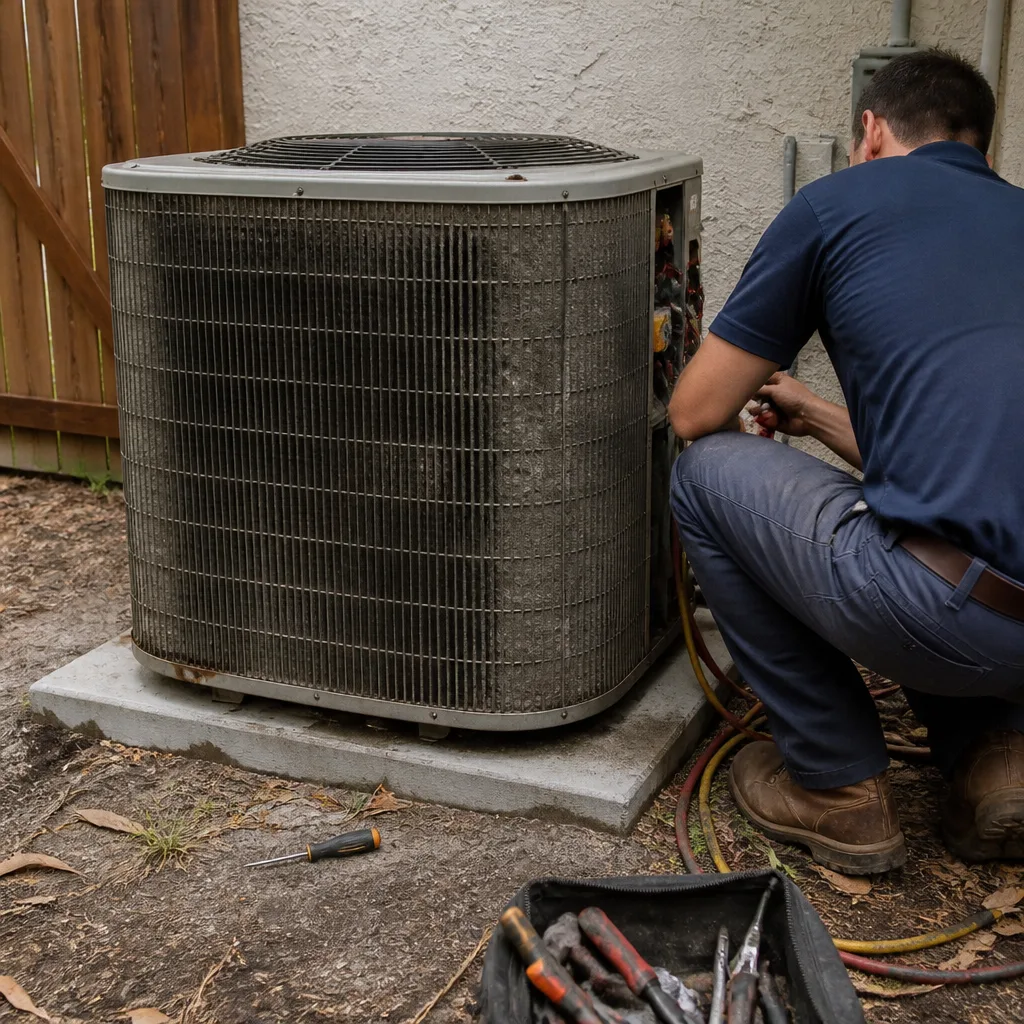
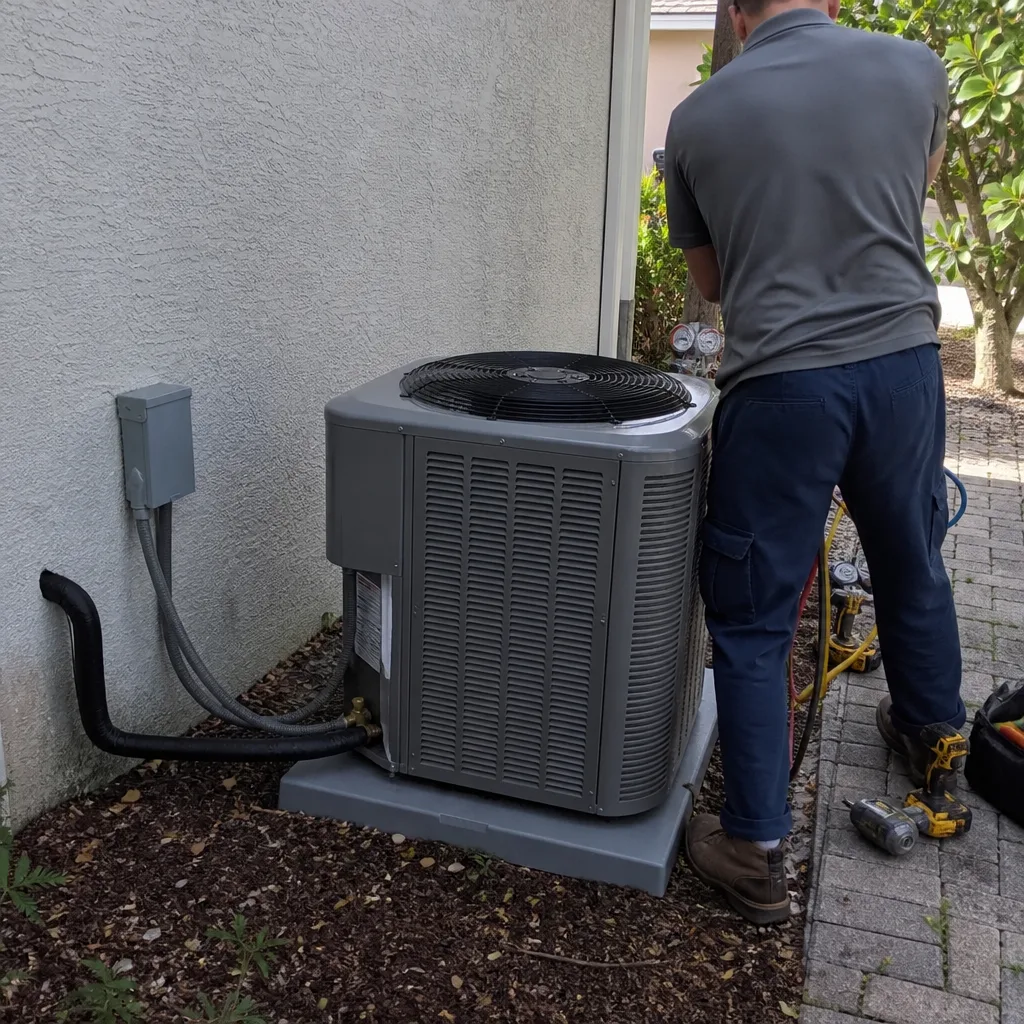
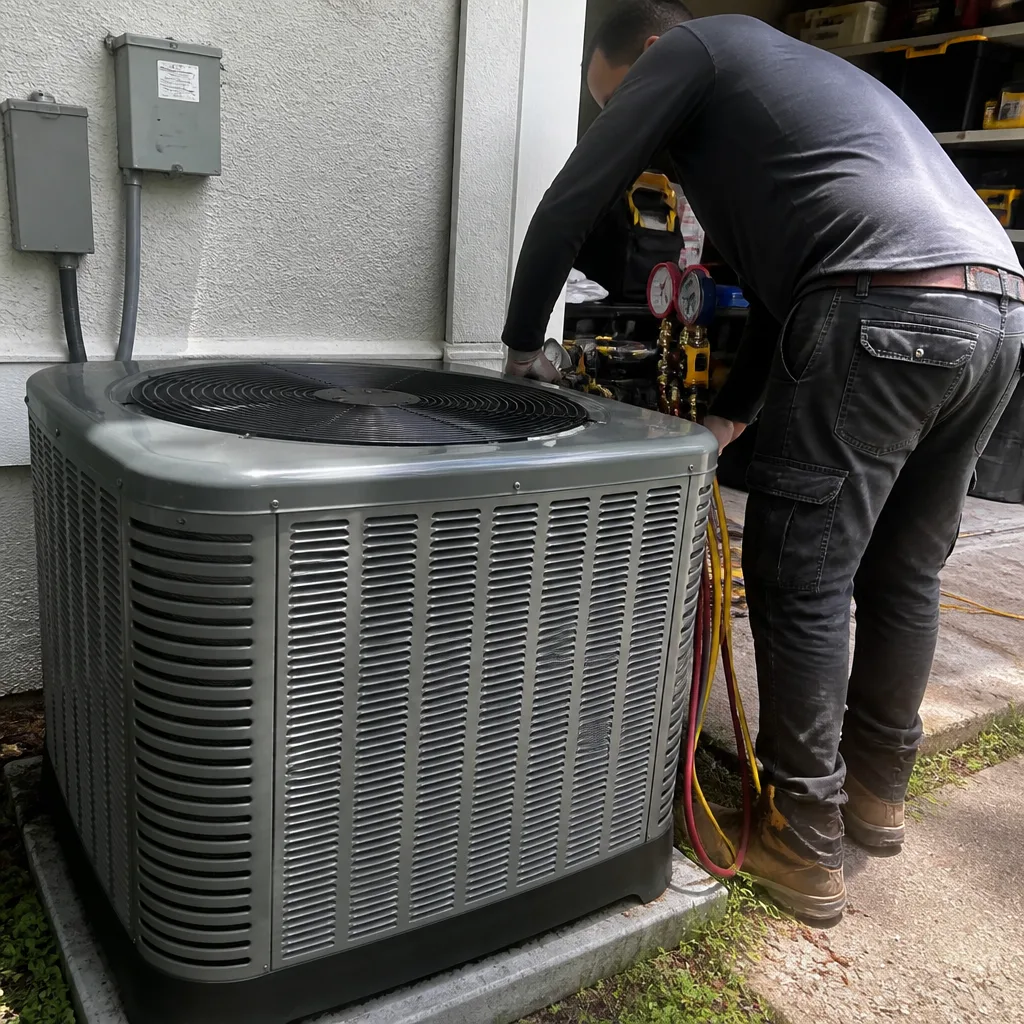
- HVAC change-outs. Replacing an air handler or condenser requires a mechanical permit. This applies even when the replacement unit is the same size.
What surprises most Tampa homeowners is not that these need permits. It is that the final inspection is what makes the permit valid. A permit pulled and never closed is an open permit, and open permits create closing problems.
Gray-Area Projects Homeowners Misjudge
Some scopes feel like they should be permit-free but are not, and some feel like they require a permit but do not. Here is where Tampa homeowners get it wrong most often.
Projects homeowners think are permit-free but are not:
- Replacing a bathtub with a walk-in shower. The moment the drain location moves or the valve is relocated, it is a plumbing alteration and requires a permit. Even a same-location replacement often requires a permit because the waterproofing behind the tile is subject to inspection in Florida.
- Adding a bathroom in a closet or bonus room. Any new plumbing fixture or drain line triggers a permit, and the added square footage also affects the septic or sewer capacity calculation.
- Converting a garage into living space. This is a change of occupancy and requires a permit, plus a review of the existing slab, the wall insulation, and the means of egress. An unpermitted garage conversion is one of the most common open-permit discoveries at closing in Tampa.
- Replacing drywall after a leak. If the drywall replacement changes the fire rating of a wall or ceiling assembly, or if the work includes insulation changes, a permit may be required. Small patches do not, but a full re-drywall of a ceiling over a garage often does.
Projects homeowners think require a permit but often do not:
- Cabinet replacement. Swapping cabinets in the same footprint without moving plumbing, electrical, or walls is finish work in most cases. The countertop replacement that goes with it is also typically exempt as long as no plumbing or electrical changes occur.
- Flooring replacement. Tile, hardwood, vinyl plank, and carpet replacement are exempt as long as the subfloor is not being structurally altered.
- Painting and trim work. Interior and exterior painting, baseboards, crown molding, and casing do not require permits in Florida.
- Fixture swaps. Replacing a faucet, a light fixture in the same location, or a toilet with another toilet of the same rough-in size is generally exempt, as long as the fixture is not in a wind-borne debris opening.
When in doubt, the Hillsborough County and City of Tampa building departments both have permit technicians who answer questions over the phone. It is a five-minute call that saves a lot of trouble later.
What Happens During a Rough-In Inspection and a Final Inspection
A rough-in inspection happens when the work is open, before the drywall goes up. This is the most important inspection in any Tampa remodel, because it is the only moment an inspector can see what is behind the wall. Once drywall covers the work, the evidence is gone, and an inspector will fail the job if they cannot verify the work.
What the inspector is physically looking for during a rough-in:
- Framing connections. Hurricane straps at the roof-to-wall connection, anchor bolts at the foundation, correct header sizes over openings, correct stud spacing, fire blocking where required.
- Electrical rough-in. Wire gauge correct for the circuit, wires secured to code, junction boxes accessible, no wires run through studs without protection plates, GFCI and AFCI protection where code requires.
- Plumbing rough-in. Drain slope correct, venting correct, pipe material correct for the application, water lines pressure-tested if required by the inspector.
- Mechanical rough-in. Ductwork sealed and supported, return air path correct, no flex duct crushed or kinked.
- Waterproofing at wet areas. In a bathroom remodel, the inspector checks that the shower pan or waterproofing membrane is installed to the manufacturer’s specification and that the flood test was documented.
A failed rough-in inspection adds days or weeks to a project, not hours. When a Tampa inspector fails an electrical rough-in, the electrician must return, correct the work, and the inspection must be rescheduled. Depending on the jurisdiction’s workload, that reschedule can be two to five business days out. If the drywall crew was already scheduled, the schedule cascades. That is why established Tampa remodelers build inspection days into the project timeline from the start, and why a Bathroom Remodeling in Tampa project with permits takes longer than an unpermitted one. The time is protective, not wasted.
A final inspection happens after the work is complete. The inspector checks that the finished work matches the permit scope, that all required final documentation is on site (product approvals for windows, the energy code compliance form, the plumbing fixture list), and that the work is safe. For a kitchen remodel, the final inspection confirms the cabinet run does not block a required outlet, the gas line is labeled, the range hood vents to the exterior, and the smoke detectors are interconnected as required. The inspector leaves a signed inspection record, and the permit status moves to closed. That closed status is the document that matters at closing.
How to Pull a Permit as a Homeowner-Builder in Florida
Florida law allows a homeowner to act as their own contractor and pull a permit on a home they own and occupy, under an exemption in Chapter 489 of the Florida Statutes. The exemption is real, and it is also the source of a specific liability that transfers to you if you sell within 10 years.
Here is the process a Tampa homeowner-builder follows:
- Confirm eligibility. You must own the property and live in it. You cannot pull a homeowner-builder permit on a rental property, an investment property, or a home you plan to flip.
- File the permit application with the correct jurisdiction. Confirm whether the parcel falls under Hillsborough County or the City of Tampa, then file through that jurisdiction’s online portal with the scope of work described accurately.
- Sign the homeowner-builder disclosure. This is a required form, not a formality. It states that you are acting as your own contractor, that you are responsible for the work, and that you understand the liability.
- Schedule and pass each inspection. The inspections are the same for homeowner-builders as they are for licensed contractors. The inspector does not grade on a curve.
- Close the permit. After the final inspection passes, the permit moves to closed status. Keep the closed permit record with your home documents.
The liability transfer is the part most homeowner-builders do not learn until it is too late. If you sell the home within 10 years of completing homeowner-builder work, Florida law requires that you disclose the work was done under a homeowner-builder permit. The buyer’s lender may require additional inspection, the buyer may renegotiate, or the buyer may walk. That disclosure is not optional. If you do not plan to live in the home for at least 10 years, the homeowner-builder permit is rarely the right financial choice. For most Tampa families, hiring a licensed contractor with a permit history is cheaper in the long run because the permit is pulled under a contractor’s license, and the 10-year disclosure burden does not apply to you as the seller-see our DIY vs Professional Construction: The Tampa Homeowner’s Decision Guide for a full cost comparison.
How to Confirm Your Contractor Actually Pulled and Closed the Permit
In our experience in Tampa, the single biggest closing problem is not a title issue. It is an open permit. A contractor pulls the permit, does the work, gets paid, and never schedules the final inspection. The permit sits in open status. Five years later, the homeowner tries to sell, the buyer’s title search finds the open permit, and the closing stalls.
Here is how to confirm the permit was pulled and closed, step by step:
- Ask for the permit number before work starts. In both Hillsborough County and the City of Tampa, a permit number is issued when the application is accepted. A legitimate contractor gives you this number without hesitation.
- Look up the permit online. Hillsborough County has a public permit search portal, and the City of Tampa has its own. Enter the address and confirm the permit appears, the scope matches your project, and the contractor’s name matches who you hired.
- Check the status during the project. After each inspection, the permit status updates in the portal. You should see “inspected” and “passed” entries as the work progresses. If three weeks go by with no status change, call your contractor.
- Confirm “closed” before final payment. The final invoice should not be paid in full until the permit shows closed status in the jurisdiction’s portal. A permit showing “finaled” or “closed” means the final inspection passed and the record is complete.
- Keep the closed permit record. Print it or save it as a PDF. When you sell, this is the document that answers the title company’s questions before they become objections.
What a closed permit proves is more than paperwork. It proves the work was seen by a third party whose only job is code compliance. It proves the work was not hidden behind drywall before anyone checked it. For a Elmstead Remodeling Tampa home, that record is part of the finished project, the same way the cabinets and the countertops are.
Common Mistakes to Avoid
- Assuming the contractor pulled the permit because they said they did. Ask for the permit number and look it up online. A permit that does not exist in the public portal does not exist.
- Paying the final invoice before the final inspection passes. Once the contractor has full payment, the leverage to get the permit closed is gone. Hold the final payment until the permit shows closed.
- Filing in the wrong jurisdiction. A Tampa mailing address does not guarantee City of Tampa jurisdiction. Confirm by parcel number before the application is filed.
- Treating the homeowner-builder permit as a money-saving shortcut. The 10-year disclosure liability, the schedule risk, and the inspection failures you will own personally make this a poor trade for most families planning to sell before 2035.
- Replacing windows without checking wind-borne debris requirements. In Hillsborough County and the City of Tampa, the window must be impact-rated or protected. A non-impact window installed without shutters fails inspection and creates a safety exposure during hurricane season.
- Not attending the inspections. You do not have to attend, but being present for the rough-in inspection gives you a chance to ask the inspector what they are checking and learn what is behind your own walls before the drywall covers it.
- Ignoring open permits on a home you are buying. Before you close on any Tampa home, run the address through the county and city permit portals. An open permit from 2012 is a problem you inherit.
When to Call a Professional
If your remodel touches a wall, a window, a panel, a drain, or a roof, the permitting and inspection process is not something to navigate alone on a first try. A licensed contractor knows which jurisdiction to file in, what documentation the inspector will ask for at rough-in, and how to schedule inspections so the project does not stall. If you are planning a remodel in Tampa that requires structural, electrical, plumbing, or window work, Elmstead Remodeling Tampa offers free estimates and can pull the permit, schedule the inspections, and close the permit as part of the project. Call (850) 779-4017 to schedule a free estimate and get a written price before any work starts.
Frequently Asked Questions
Yes, if the remodel moves plumbing, alters electrical, removes a wall, or changes the footprint. A cosmetic cabinet swap in the same footprint is typically exempt, but the moment a sink, outlet, or wall moves, the project requires a permit in both Hillsborough County and the City of Tampa. Call (850) 779-4017 if you want to confirm whether your specific kitchen scope requires a permit.
Permit fees in the Tampa area are calculated on a schedule based on the scope of work and the valuation of the project, so a bathroom remodel permit costs less than a whole-home remodel permit. Ask your contractor for the permit fee as a line item before work starts, the way the written price from Elmstead Remodeling Tampa includes every line item before any work begins.
Yes, if you own and occupy the home, you can act as your own contractor under Chapter 489, but you inherit the 10-year disclosure liability if you sell, and you are responsible for every failed inspection. For most Tampa families planning to sell within a decade, a licensed contractor is the safer financial choice.
The work is not illegal to live in, but it is unpermitted, which means no inspection record exists, your insurer may deny a future claim related to the work, and a buyer’s title search will likely find the discrepancy and delay or kill the sale. Unpermitted work is also a code enforcement issue if the jurisdiction learns of it.
A typical bathroom remodel permit in Tampa takes one to two weeks for plan review and issuance, with the inspections scheduled during the project at rough-in and completion. The total timeline depends on the jurisdiction’s workload, which is why a contractor who builds inspection days into the schedule from the start is worth more than one who treats inspections as an afterthought.
An open permit is a permit that was pulled but never passed its final inspection, leaving the record in active status. Title searches find open permits, lenders flag them, and closings get delayed while the seller scrambles to schedule an inspection years after the work was finished. Confirm the permit shows closed before you make final payment.
The Bottom Line
Florida’s permitting and inspection system exists because Hurricane Andrew proved what happens when construction goes unchecked. The code is strict, the inspectors are specific, and the record they leave behind is the real value for a Tampa homeowner. Pull the permit, pass the inspections, close the permit, and keep the record. If the work is done by a contractor, confirm the permit number, watch the status online, and hold final payment until the portal says closed. The finished remodel is the part you see. The permit record is the part that protects you for the next decade.
Written by Graham Stein, Owner at Elmstead Remodeling Tampa, serving Tampa since 2005.
See the difference
 Before
 After
After Before
 After
After Before
 After
After