Last updated October 15, 2026



Free written scope consultation - allowances, timeline, and change-order rules on paper before a single trade is scheduled
Construction Cost Breakdown: The Tampa Homeowner’s Reference for 2026
The national average cost-per-square-foot for a kitchen remodel was $150 – $250 in 2025 – but that figure was built from markets where contractors aren’t pricing in wind-rated cabinetry fasteners, impact-glass upgrades, or the 15 – 20% material buffer Tampa contractors now carry because of supply unpredictability. This guide and our more guides & resources are written for a specific reader: a Tampa homeowner who has received a bid, looked at the line items, and wondered whether the numbers are honest. We’ll walk through what each line item means in this market, why some costs are higher than national averages, and how to evaluate a bid with the same context a Tampa contractor carries into a project.
Quick Answer
A full-home remodel in Tampa in 2026 typically runs $180 – $320 per square foot, a kitchen remodel $45,000 – $95,000, and a primary bathroom $30,000 – $65,000, with labor accounting for 40 – 55% of the total and materials 35 – 45%. The single largest Tampa-specific cost driver is compliance with the Florida Building Code’s High-Velocity Hurricane Zone sections, which affects windows, roofing, structural connections, and even cabinet anchoring. A written fixed-price bid with a 10 – 15% contingency line is the standard a reputable General Contractor in Tampa should offer – and it is the document that protects a family from mid-project price surprises.
Styles & brands we work with
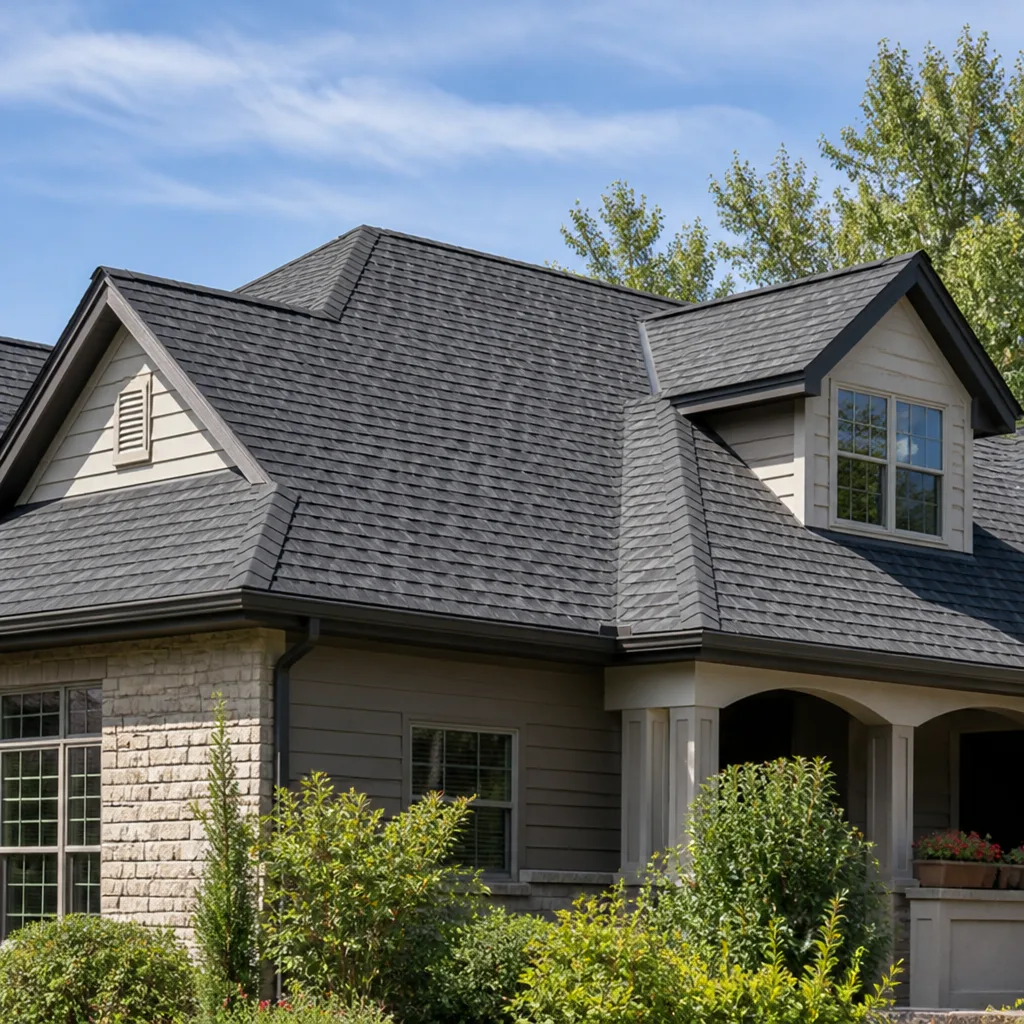
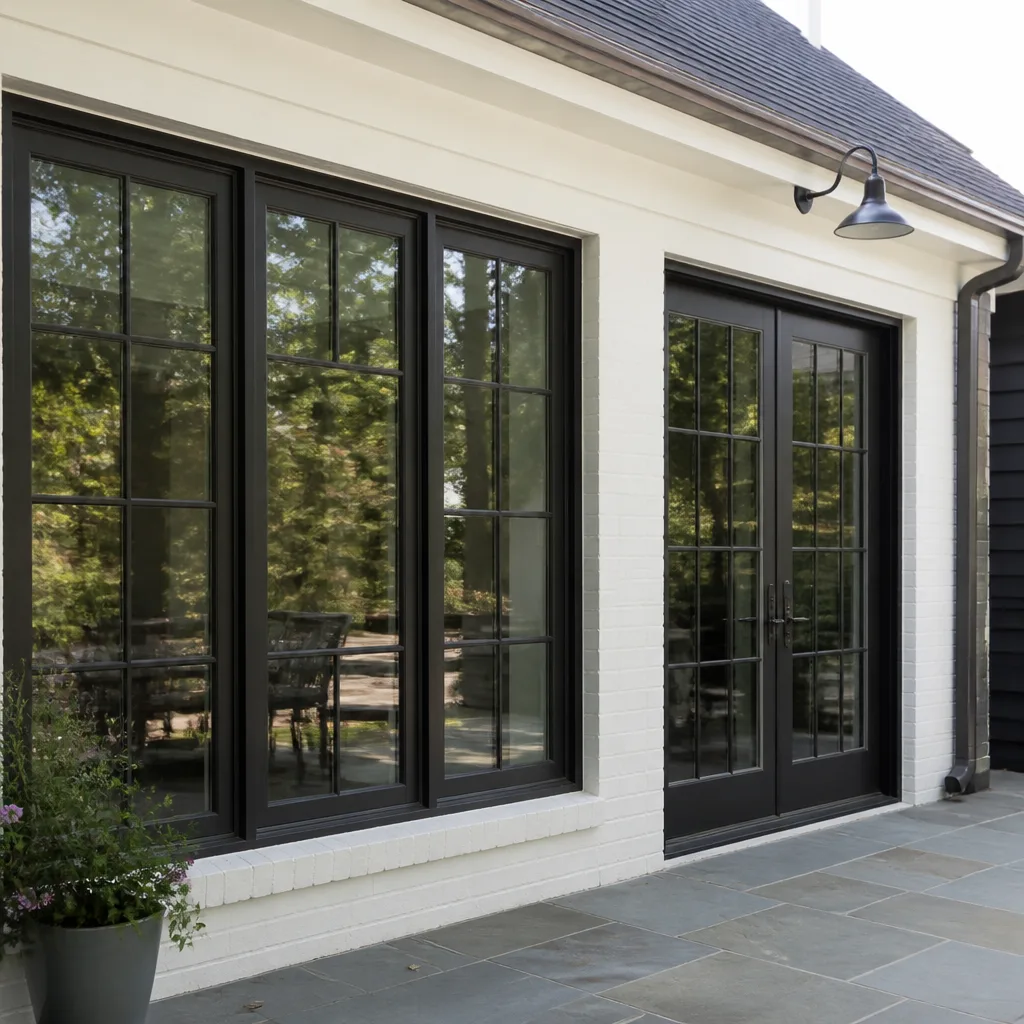
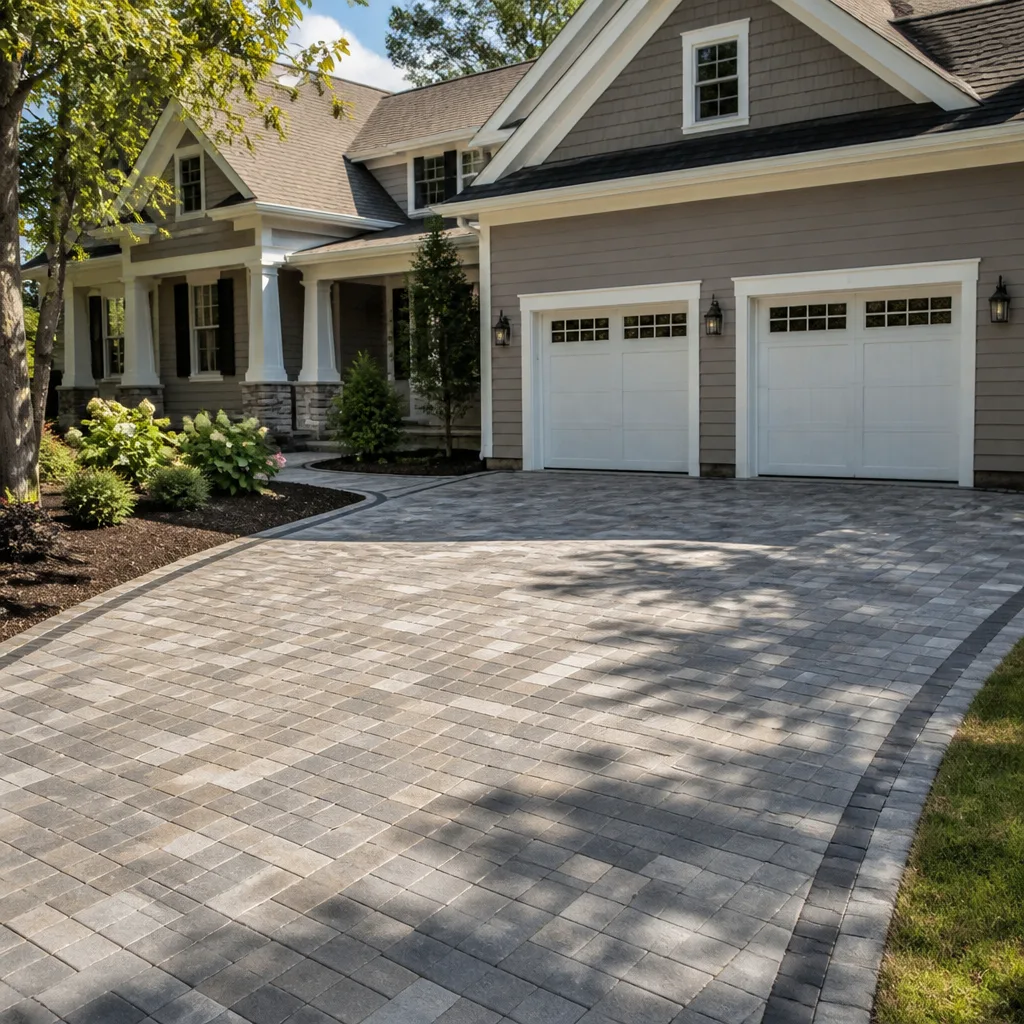
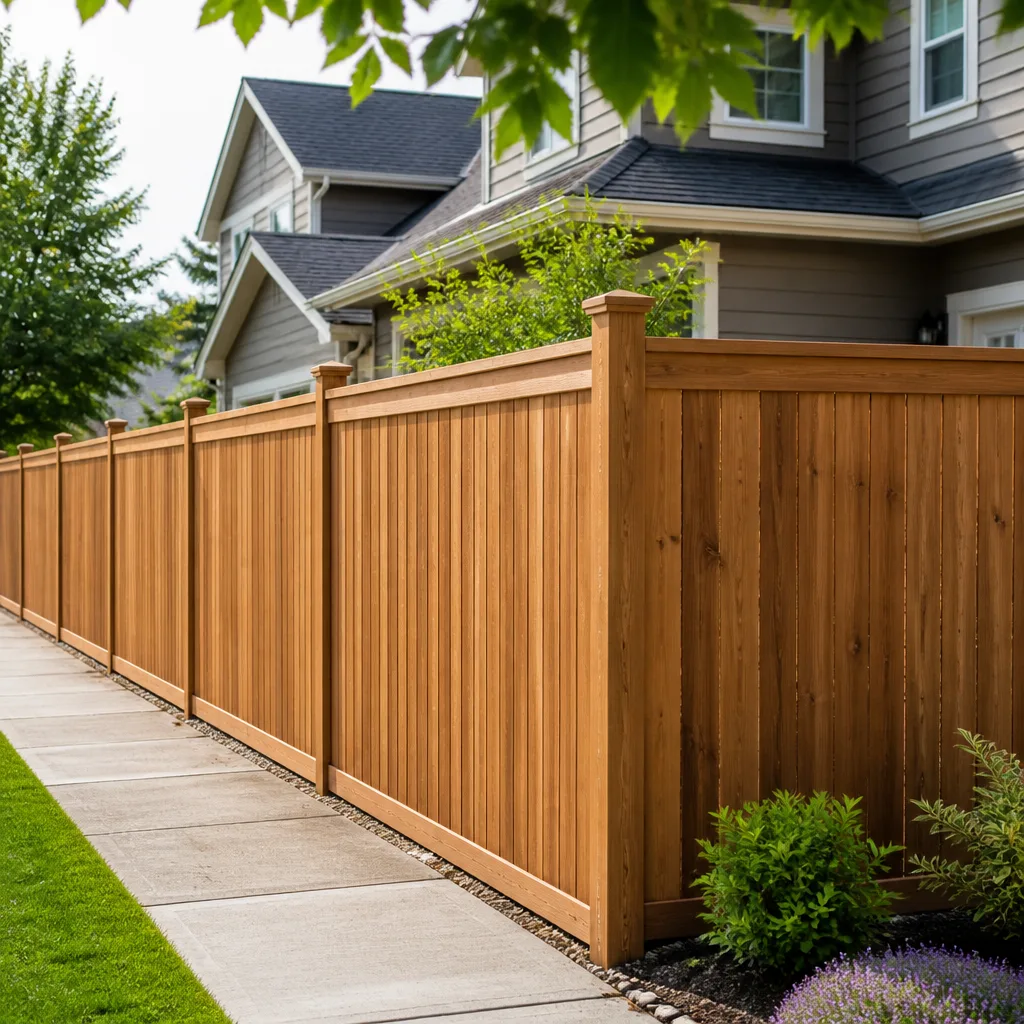
Table of Contents
- Labor Cost Ranges by Trade in Tampa for 2026
- Tampa-Specific Material Line Items You’ll See in a Bid
- How to Read a Permit Fee Line Item in a Hillsborough County Bid
- Fixed-Price vs. Cost-Plus Contracts in Tampa’s Supply Environment
- What a 10 – 15% Contingency Actually Covers in a Tampa Remodel
- Typical Project Timelines for Tampa Remodels in 2026
- How to Evaluate a Bid Line by Line
- Common Mistakes to Avoid
- When to Call a Professional
- Frequently Asked Questions
Labor Cost Ranges by Trade in Tampa for 2026
Labor is the largest single category in most Tampa remodels, and the 2026 market is tighter than the national averages suggest. A skilled framing crew in Hillsborough County is billing $65 – $95 per hour per worker, electricians $90 – $140 per hour, plumbers $95 – $150, tile setters $60 – $100, and finish carpenters $55 – $85. Drywall crews are typically quoted by the sheet or by the square foot: $2.00 – $3.50 per square foot for new installation, including taping and texture matching.
There is a real difference between union-affiliated and independent crews in Tampa right now, and it shows up in scheduling reliability more than in the hourly rate itself. Union-affiliated electricians and plumbers in the Tampa area often carry more formal apprenticeship training and are dispatched through hall systems, which can mean longer wait times during peak season but very consistent quality. Independent crews, by contrast, can often start sooner, but the family should ask who exactly will be on site and what happens if a crew member is sick or leaves mid-project. A reputable contractor will have that answer in writing before demolition starts.
What this means in practice: a 300-square-foot kitchen gut-and-rebuild in Tampa carries roughly $22,000 – $38,000 in labor, depending on electrical load changes, plumbing relocations, and the condition of the subfloor. That number is not padding. It reflects Hillsborough County’s 2026 labor market, where the post-Ian rebuilding backlog has pulled skilled trades toward roofing and board-up work, leaving finish trade availability tighter than a national pricing table would indicate.
Tampa-Specific Material Line Items You’ll See in a Bid
National cost guides do not account for the Florida Building Code’s wind-load requirements, but Tampa bids must. When a family sees a line item labeled “impact-rated window package” that reads 30 – 45% higher than a big-box window price, that is not a markup. It is the cost of meeting the FBC’s requirements for wind-borne debris zones, which cover much of Tampa and require either impact-rated glass or full hurricane shutters on every opening. Impact-rated windows for a typical Tampa home run $800 – $1,800 per window installed, depending on size and frame material.
Moisture-resistant drywall is another line item that surprises transplants. Florida code specifies moisture-resistant gypsum board in wet areas – not just bathrooms, but any wall with plumbing in it, laundry rooms, and garage-adjacent walls in many Tampa homes. That product runs $16 – $22 per 4×8 sheet versus $12 – $15 for standard drywall. A full-home remodel can carry 40 – 70 sheets of the moisture-rated material, which is a quiet $300 – $600 difference that a reputable bid will show as its own line.
Roofing products in a Tampa bid need to hit the FBC High-Velocity Hurricane Zone standard. Brands like Owens Corning, Atlas, and IKO manufacture HVHZ-rated shingles that cost $120 – $160 per square (100 square feet) versus $85 – $110 for standard architectural shingles. If a bid shows only a generic “shingle replacement” line without the HVHZ annotation, ask to see the product specification sheet. The difference matters on inspection day, and it matters to an insurance underwriter reviewing the home after the work is complete.
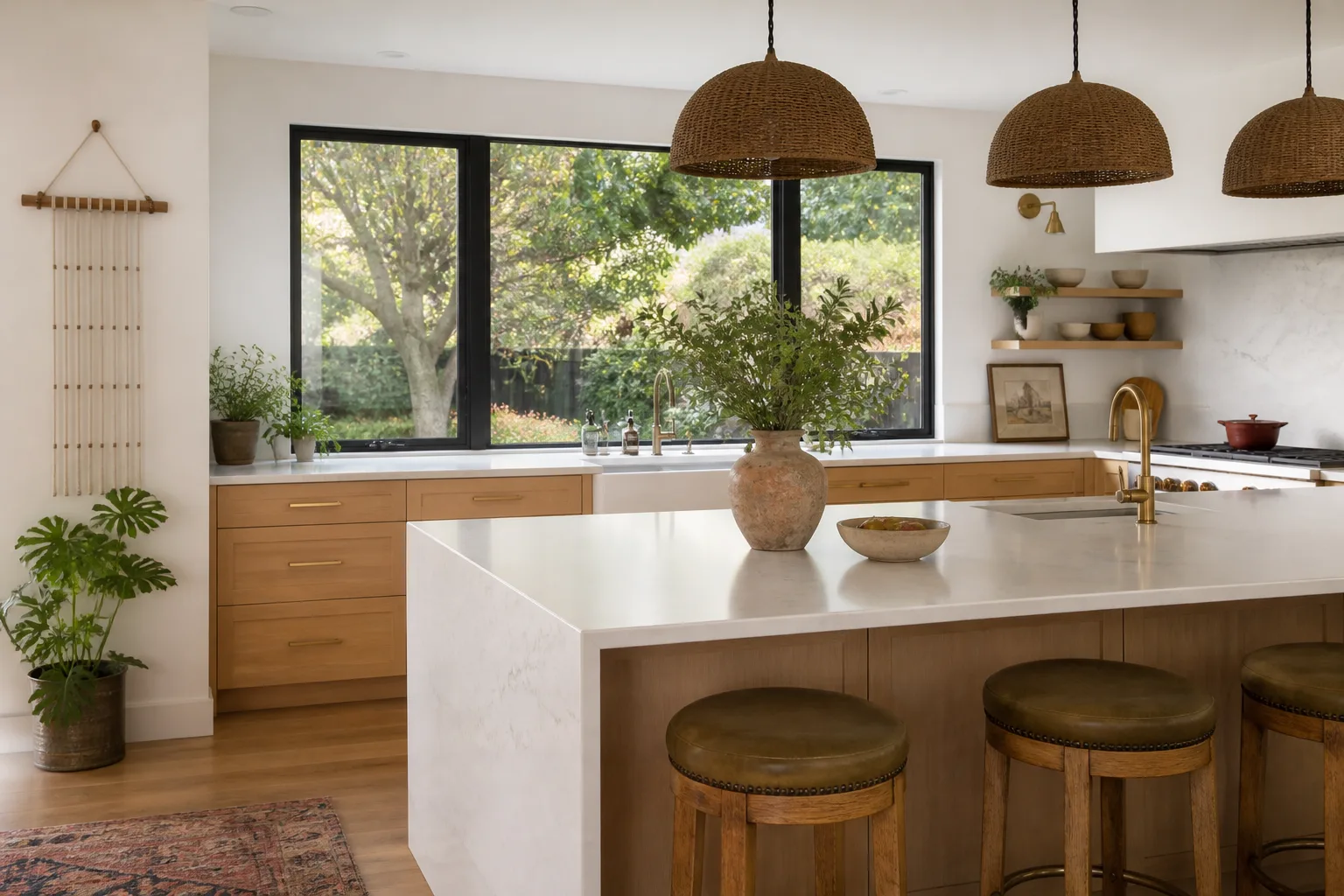
For interior finishes, named-brand materials matter because their warranties travel with the home. In our experience, a Kitchen Remodeling in Tampa bid that specifies cabinets from KraftMaid or Wellborn, countertops from Cambria or Silestone, and fixtures from Kohler or Moen gives a family something to research independently. Those brands publish their warranty terms publicly, and a homeowner can verify that the product line exists and is rated for the application without taking the contractor’s word for it.
How to Read a Permit Fee Line Item in a Hillsborough County Bid
Hillsborough County publishes its permit fee schedule publicly, and every honest bid should reflect those numbers almost exactly (see Construction Permits, Codes & Inspections in FL: What You Need to Know). A building permit for a residential remodel typically runs $150 – $600, depending on valuation; an electrical permit $75 – $250; a plumbing permit $75 – $350; and a mechanical permit $75 – $300. A full kitchen and bath remodel in Tampa commonly carries $600 – $1,200 in total permit fees before any expediting fees are considered.
Here is how to check the line item without becoming an expert:
- Locate the “permit fee” section of your bid and note each number.
- Go to the Hillsborough County Development Services website and find the current fee schedule for the permit type listed.
- Compare. The bid’s number should be within 10 – 15% of the published fee, accounting for small administrative or processing costs.
- If the bid shows no permit line at all, ask why. A contractor doing permitted work in Tampa should itemize it, not bury it.
The permit line item also tells a family something about the contractor’s honesty across the rest of the bid. If the permit number is inflated, other numbers probably are too. If it is missing, the contractor may be planning unpermitted work, which creates problems at resale and with insurance claims later. A written bid from Elmstead Remodeling Tampa home includes the permit line shown separately, because the family has a right to see exactly where the county’s money goes.
Fixed-Price vs. Cost-Plus Contracts in Tampa’s Supply Environment
The difference between these two contract types is simple, but it has real consequences in 2026. A fixed-price contract names a total number before work starts and holds that number unless the scope changes in writing. A cost-plus contract charges the actual cost of materials and labor plus a markup – typically 15 – 20% – which means the final price is only known when the work ends.
Through the Port of Tampa, lumber and concrete supply has been uneven since 2022, with plywood futures swinging 30% inside a single quarter and cement allocations tightening whenever a major storm system enters the Gulf. In that environment, a cost-plus contract pushes all the supply risk onto the family. A fixed-price contract pushes it onto the contractor, who is paid to manage it and who carries the material buffer mentioned in the opening of this guide.
There is one respectful exception: when a project involves major unknowns behind the walls, some contractors offer a hybrid – fixed price for the known scope, cost-plus only for documented change orders. That is reasonable. But a pure cost-plus arrangement for a whole-home remodel in Tampa right now is not the protection most families need. They need a number they can plan around, with a written change-order process for anything that departs from the agreed scope. The Cedarwell Care Promise includes a written price before any work starts, every time, because that is the only version of the relationship that honors the family’s budget.
What a 10 – 15% Contingency Actually Covers in a Tampa Remodel
A contingency line in a bid is sometimes read as cushion for the contractor. It is not. It is a named allocation for specific risks that are common in Tampa homes and that cannot be seen until demolition exposes them. Here is what that 10 – 15% is actually for:
- Pre-1978 knob-and-tube wiring. Many Tampa homes built before the 1950s still carry active knob-and-tube circuits behind lath and plaster. When a wall comes down, a code inspector may require replacement. That is a $3,000 – $8,000 line item depending on access.
- Mold behind tile. Tampa’s humidity means trapped moisture behind old shower surrounds is more common than in drier markets. Remediation before rebuild can add $1,500 – $5,000.
- Slab moisture vapor emission. Many Tampa homes sit on slabs, and older slabs can emit moisture vapor at rates that fail flooring warranty thresholds. Testing and vapor mitigation run $2,000 – $6,000.
- Structural surprises. Rotted floor joists from past termite activity, corroded plumbing stacks, or an undersized header over a window opening all hide behind finishes. The contingency is what pays for them without stopping work or renegotiating the relationship.
When a bid includes a contingency, ask the contractor to name the three or four risks it is meant to cover. If they can name them – knob-and-tube, mold, slab moisture – the contingency is honest. If they cannot, it may be padding. In our own bids, we write the contingency as its own line with a note about what it covers and a promise that any unspent portion is credited back to the family at close-out. That is the version of the number that respects the person writing the check.
Typical Project Timelines for Tampa Remodels in 2026
Timelines in Tampa are shaped by two realities: the permitting calendar at Hillsborough County and the summer heat, which limits exterior work windows. A kitchen remodel with minor layout changes typically runs 6 – 10 weeks from demo to final walk-through. A primary bathroom runs 4 – 7 weeks. A whole-home remodel typically runs 5 – 8 months, depending on the number of rooms and whether any structural changes require plan review.
The permitting step deserves its own place in the timeline. Simple interior remodels with no structural changes can get permits in 1 – 3 weeks. Projects that require plan review – anything moving a load-bearing wall, changing window openings, or adding square footage – can take 4 – 10 weeks in Hillsborough County depending on current volume. A contractor who paper-promises an immediate start but has not filed permits is borrowing time from the end of the project, not giving a gift.
For families with children and pets, the schedule also needs to account for quiet hours and access. Elmstead Remodeling Tampa runs quiet tools during children’s sleep hours where possible, and the crew asks before moving anything that belongs to the family – the dog bed, the stroller by the door, the Lego bin in the hallway. Those details don’t change the permit calendar, but they change how the weeks feel while the work is in progress.
How to Evaluate a Bid Line by Line
A bid from a Tampa contractor should not read like a grocery receipt with one total at the bottom. It should read like a document that respects the family’s right to understand the number. Here is a step-by-step approach to evaluating one:
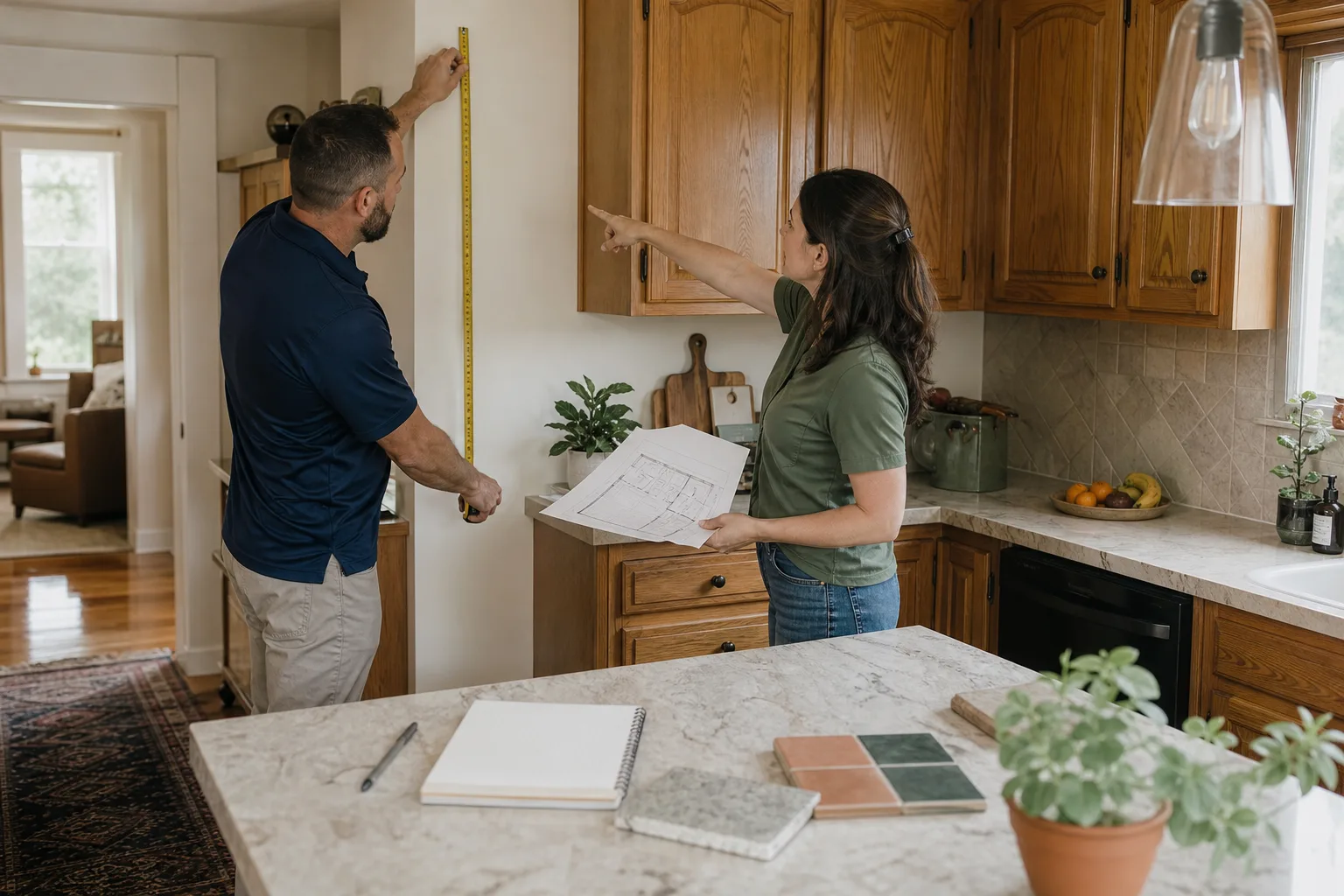
- Confirm the scope matches the walk-through. Every room touched, every fixture moved, every material choice should appear somewhere in the written scope. If it was discussed but is not written, it is not included.
- Check the permit line against the county fee schedule. The number should be recognizable, not rounded to a suspiciously even figure.
- Look for named materials, not adjectives. “Premium cabinets” is not a specification. “Wellborn or KraftMaid, full-overlay construction, soft-close hinges” is a specification.
- Verify labor is separated by trade. Framing, electrical, plumbing, tile, drywall, and painting should appear as their own lines with their own numbers. That lets a family ask specific questions about specific trades.
- Find the contingency and read its description. It should name the risks it covers and the process for returning unspent funds.
- Confirm the payment schedule matches progress milestones. A large deposit before materials arrive is a request, not a requirement. Progress payments tied to inspections passed is the fair structure.
Common Mistakes to Avoid
- Comparing Tampa bids to national averages. A national average is built from markets without hurricane-code requirements, without Tampa’s humidity, and without the Port of Tampa’s supply volatility. Comparing a Tampa bid to a national number is comparing two different jobs.
- Choosing the lowest bid without checking the scope. The lowest bid is often the one that omitted the permit line, the named materials, or the moisture-resistant drywall. Those costs reappear later as change orders.
- Signing a cost-plus contract without a cap. In a market where lumber prices shift mid-project, a cost-plus arrangement without a not-to-exceed cap hands the family unlimited exposure.
- Ignoring the warranty terms. A contractor’s workmanship warranty and the product warranties from named brands are two different documents. Both should be written and handed over at close-out.
- Not asking who will be in the house. The crew should be background-checked and arrive in uniform. The family should know who is walking through their door every morning.
- Paying the full amount before the final inspection passes. A reasonable final payment is 5 – 10% of the project total, held until the county inspection is green and the walk-through is complete.
When to Call a Professional
Any project that touches a load-bearing wall, moves plumbing, changes the electrical panel, or alters the building envelope falls into the category where a licensed contractor should be involved, as covered in our DIY vs Professional Construction: The Tampa Homeowner’s Decision Guide. So does any work in a home built before 1978, where lead paint and knob-and-tube wiring are live questions that require specific handling under Florida law. And any project that requires a Hillsborough County permit is, by definition, a project the homeowner should not be managing alone.
Elmstead Remodeling Tampa offers free estimates in Tampa – call (850) 779-4017 to schedule one. A Bathroom Remodeling in Tampa estimate includes the written price, the named materials, and the clean-up details, because those are the things a family needs to make a decision with confidence.
Frequently Asked Questions
A kitchen remodel in Tampa typically costs $45,000 – $95,000 for a full gut-and-rebuild, with the final number driven by the appliance package, countertop choice, cabinet line, and whether the layout moves plumbing or electrical. Call (850) 779-4017 for a written price based on your actual scope.
With a fixed-price written bid, the price changes only when the family approves a change order in writing. The situations where that happens are named in the contingency section: hidden wiring, mold, slab moisture, or structural surprises that cannot be seen before demo.
Yes. The permit fees appear as their own line item in the bid, and the contractor files the permit applications with Hillsborough County. The family should see the permit posted before work begins.
A primary bathroom remodel in Tampa typically takes 4 – 7 weeks from demo to final walk-through, including the county inspection. Permitting can add 1 – 3 weeks before the start date for simple remodels.
The 365-Day Done Right Promise is Elmstead Remodeling’s workmanship commitment: if something is not done right after the project is complete, we make it right, at no charge, for a full year. It is stamped on every completed project.
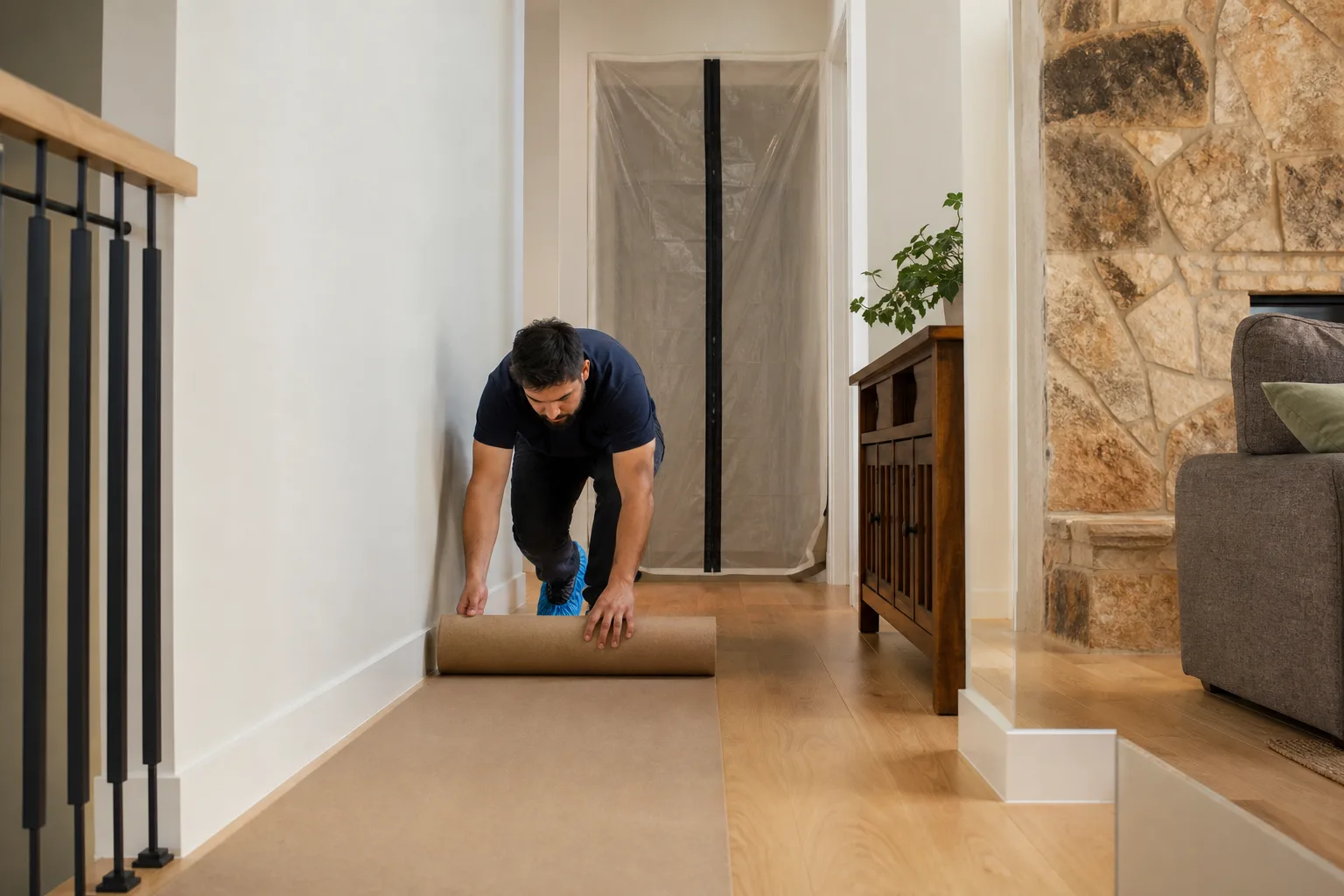
That is the household we build our process around. Shoe covers and drop cloths come on every visit, quiet tools run during children’s sleep hours where possible, pet-safe products are selected where there is a choice, and the crew asks before moving anything that belongs to the family. The photo of the clean-up, taken before the crew leaves, is proof the home was left right.
The Bottom Line
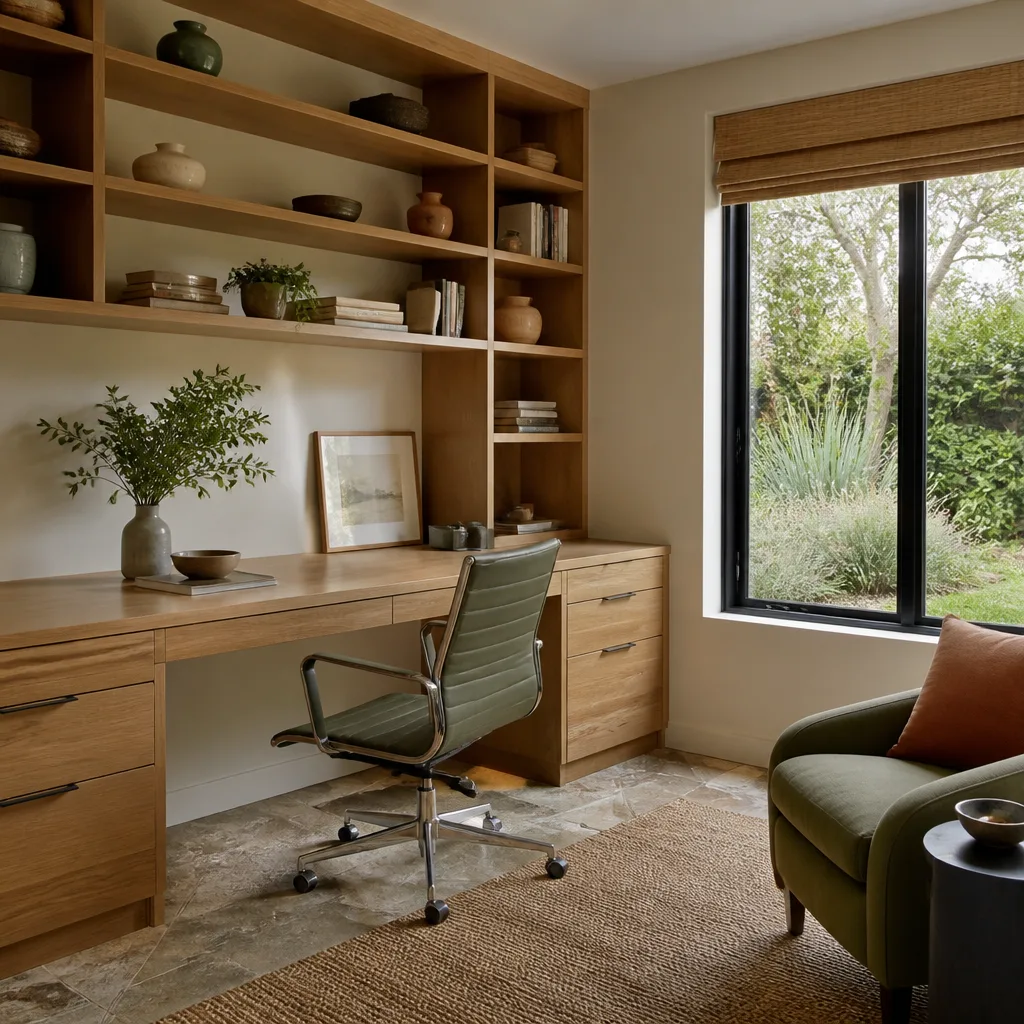
Tampa construction costs in 2026 are higher than national averages because Tampa is not a national average. Wind-rated materials, moisture-resistant drywall, permit fees that match the county’s public schedule, and labor priced to the reality of the post-Ian rebuilding backlog all show up in honest bids, as detailed in our Construction Warning Signs: A Tampa Homeowner’s Reference Guide. A written fixed price with a named contingency, a permit line that matches Hillsborough County’s fee schedule, and named-brand materials with verifiable warranties is the standard a family should accept. Anything less is a conversation worth having before signing.
Written by Graham Stein, Owner at Elmstead Remodeling Tampa, serving Tampa since 2005.
See the difference
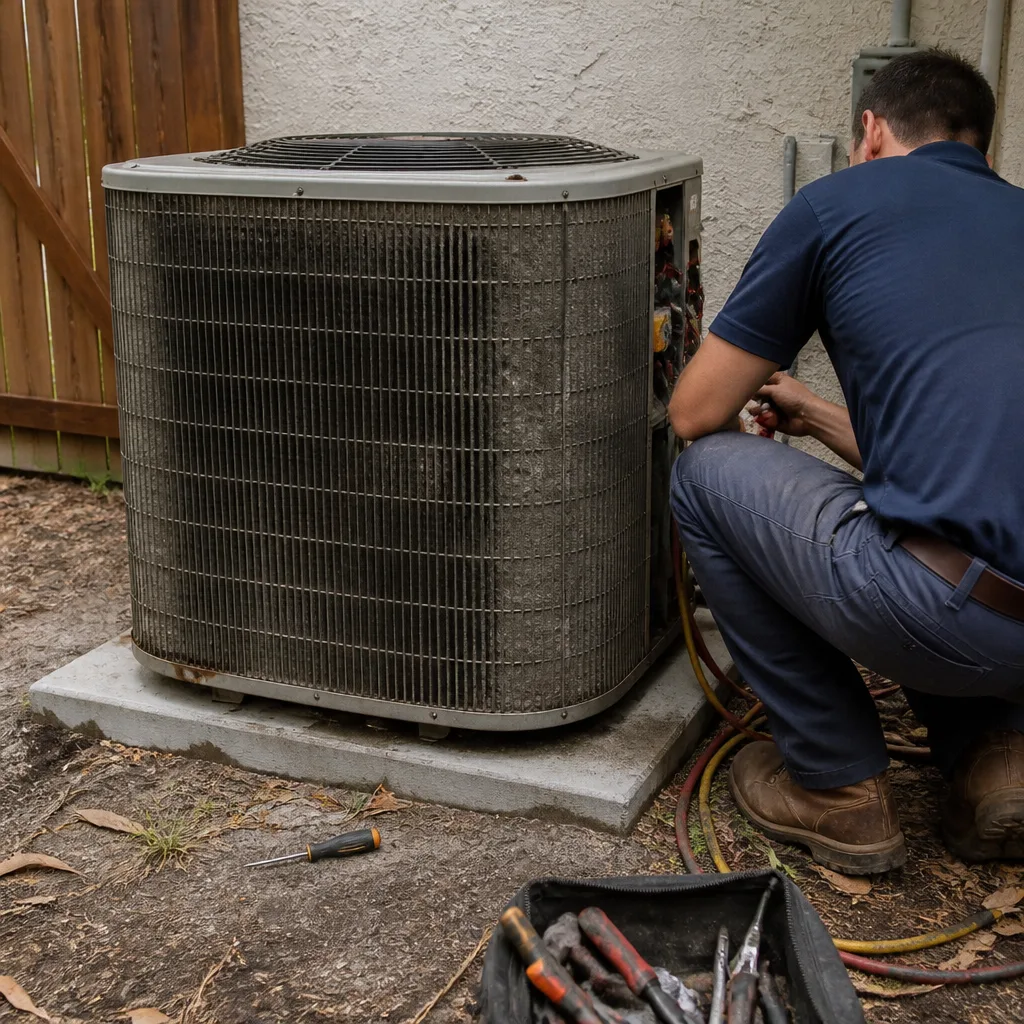 Before
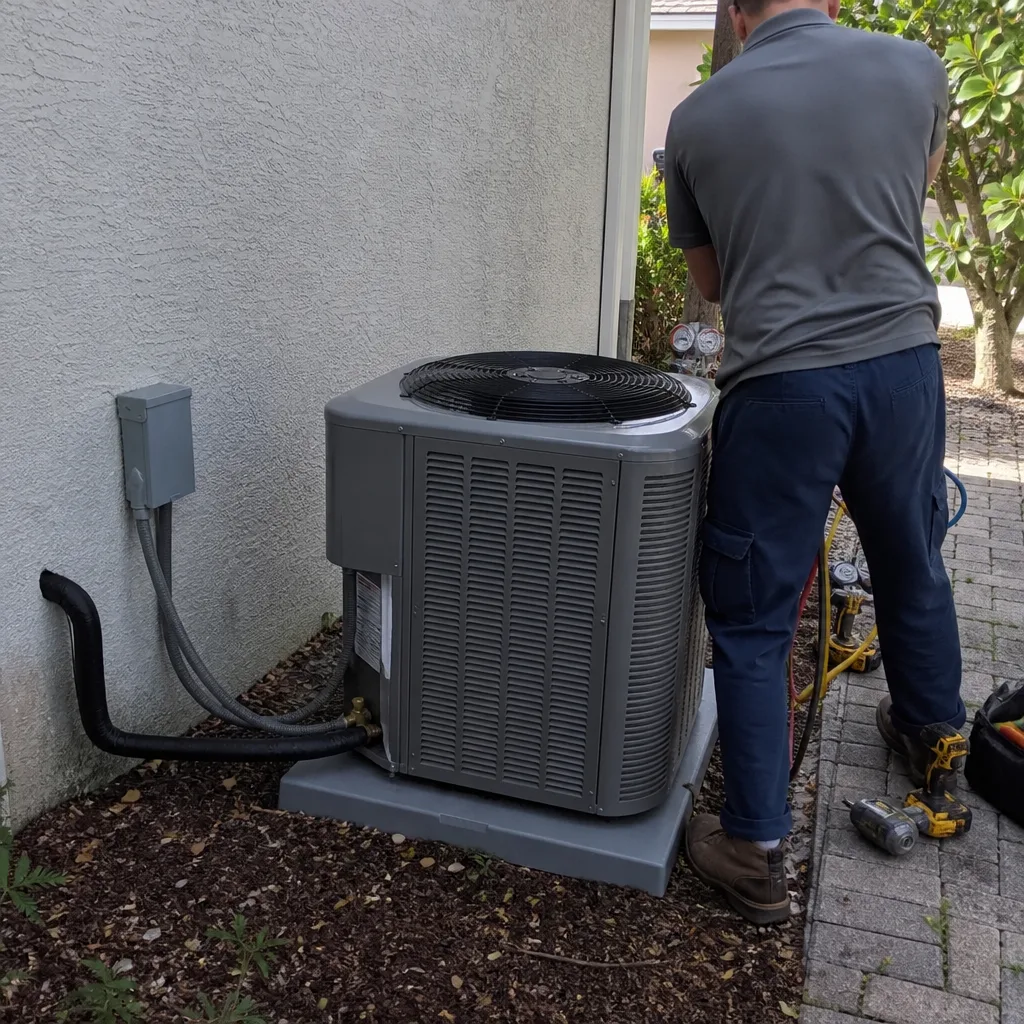 After
After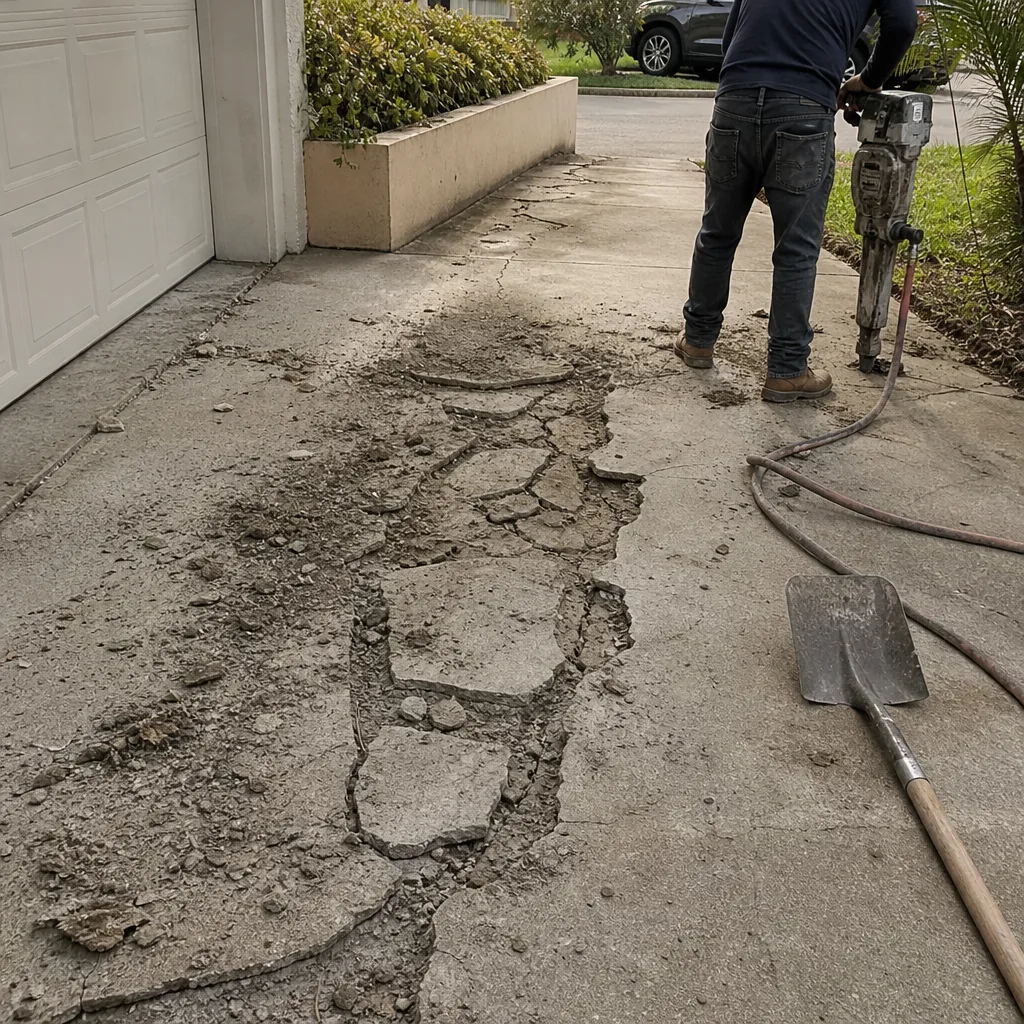 Before
 After
After Before
 After
After