

Free written scope consultation - allowances, timeline, and change-order rules on paper before a single trade is scheduled
James Hardie Fence Installation: The Tampa Owner’s Guide
James Hardie fence installation in Tampa typically runs $3,500 – $9,000 for a complete panel and post footing job, depending on linear feet and whether we’re matching an existing Hardie product or starting fresh. That price includes the Hardie fiber cement panels, pressure-treated or steel posts, hardware, concrete footings, and full cleanup before we leave. Most Tampa homeowners discover the need when a lower panel edge starts swelling from ground moisture or a post shifts after storm season, and the rest of the fence line no longer sits true.
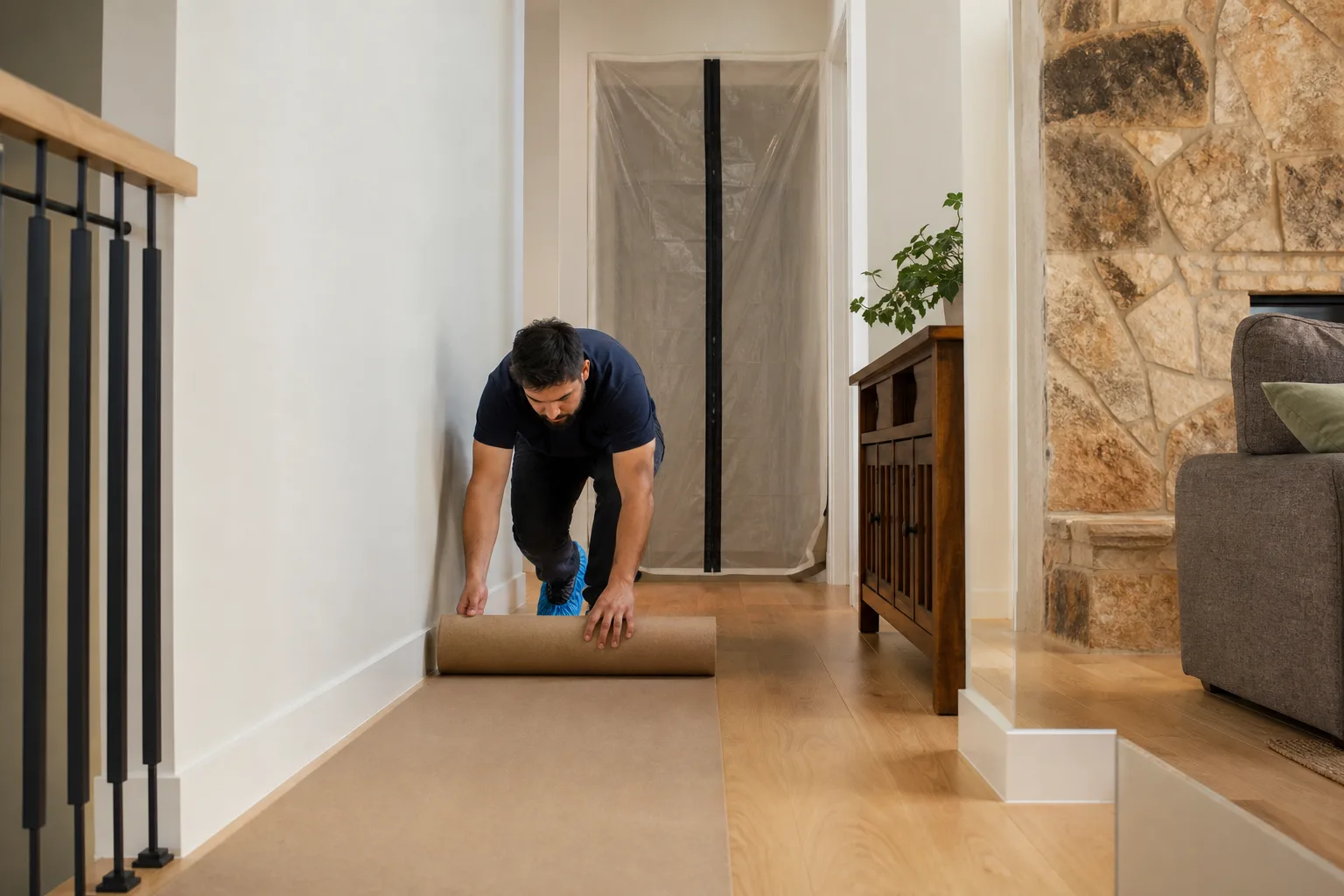
We carry James Hardie-compatible fence materials and install them with the same care we bring to a kitchen or bath remodel: drop cloths on the walkway, a written price before work starts, and a photo of the finished clean-up before the crew pulls away. If you’re in Tampa and a section of Hardie fence has failed, we’ll match the panel profile, set fresh footings where needed, and leave the line looking like it was installed yesterday.
Key Takeaways
- James Hardie fence installation in Tampa costs $3,500 – $9,000 installed, including panels, posts, footings, and cleanup.
- Hardie fiber cement fence panels carry a manufacturer warranty, but the bottom edge is vulnerable in Florida’s ground moisture unless installed with proper clearance.
- We’re an independent Tampa contractor, not affiliated with James Hardie, so we can match existing Hardie profiles without a dealership markup.
- Elmstead Remodeling Tampa writes the price before any work starts, and our 365-Day Done Right Promise covers the finished fence.
- Call (850) 779-4017 and a live person answers, 24/7. No voicemail tree.
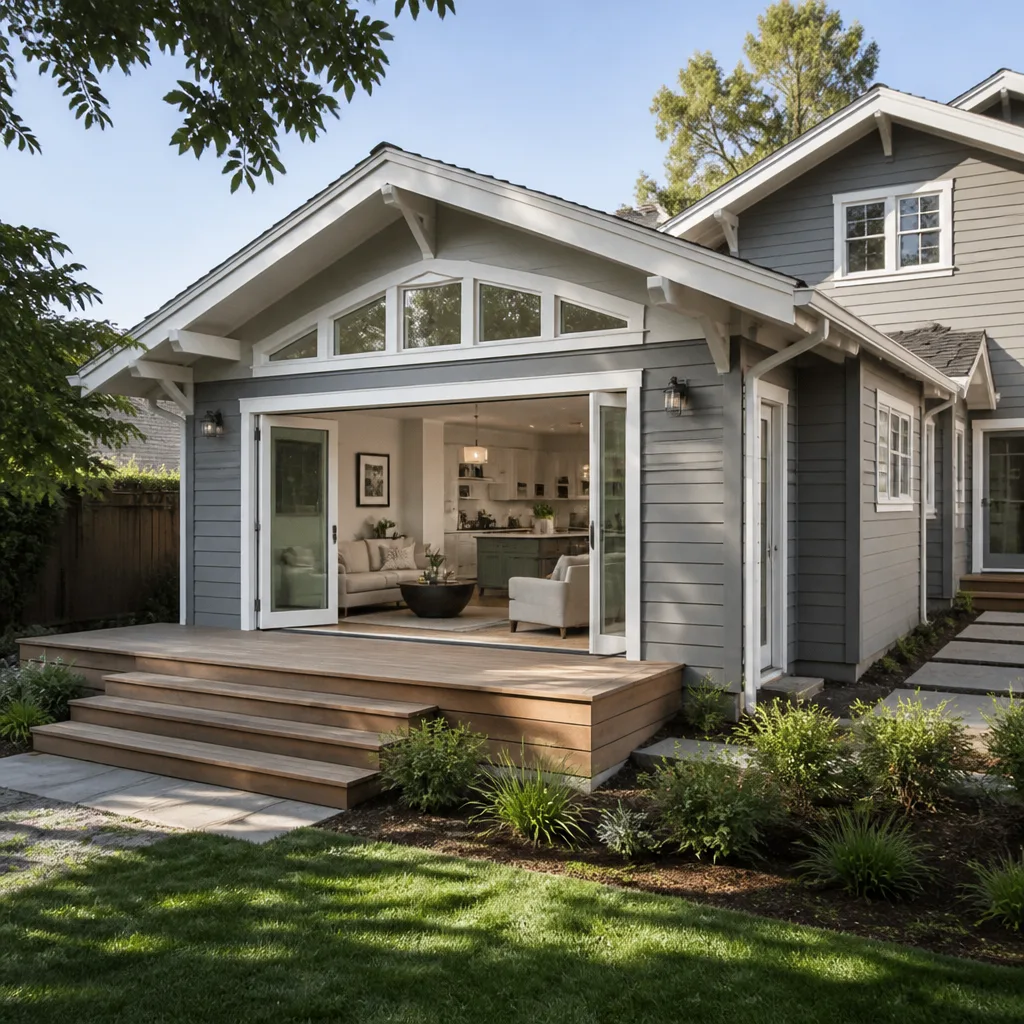
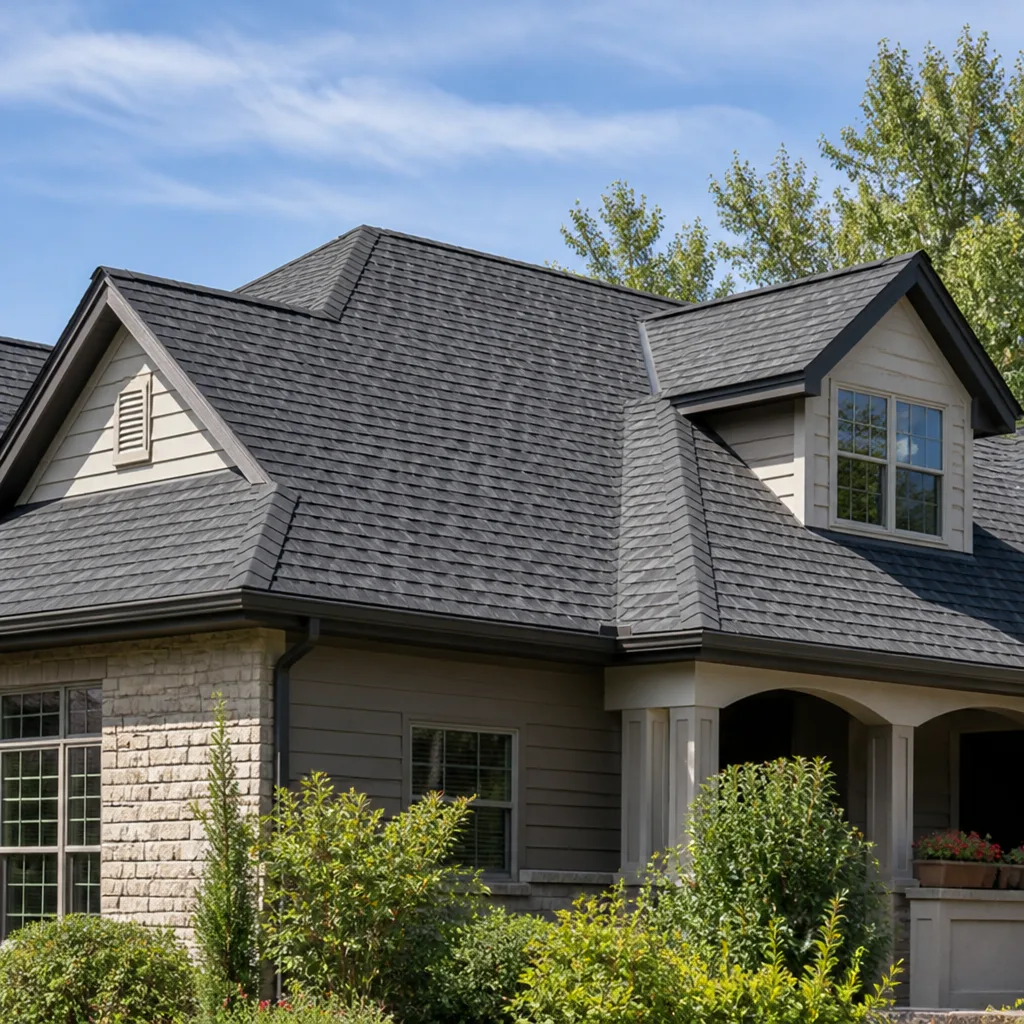
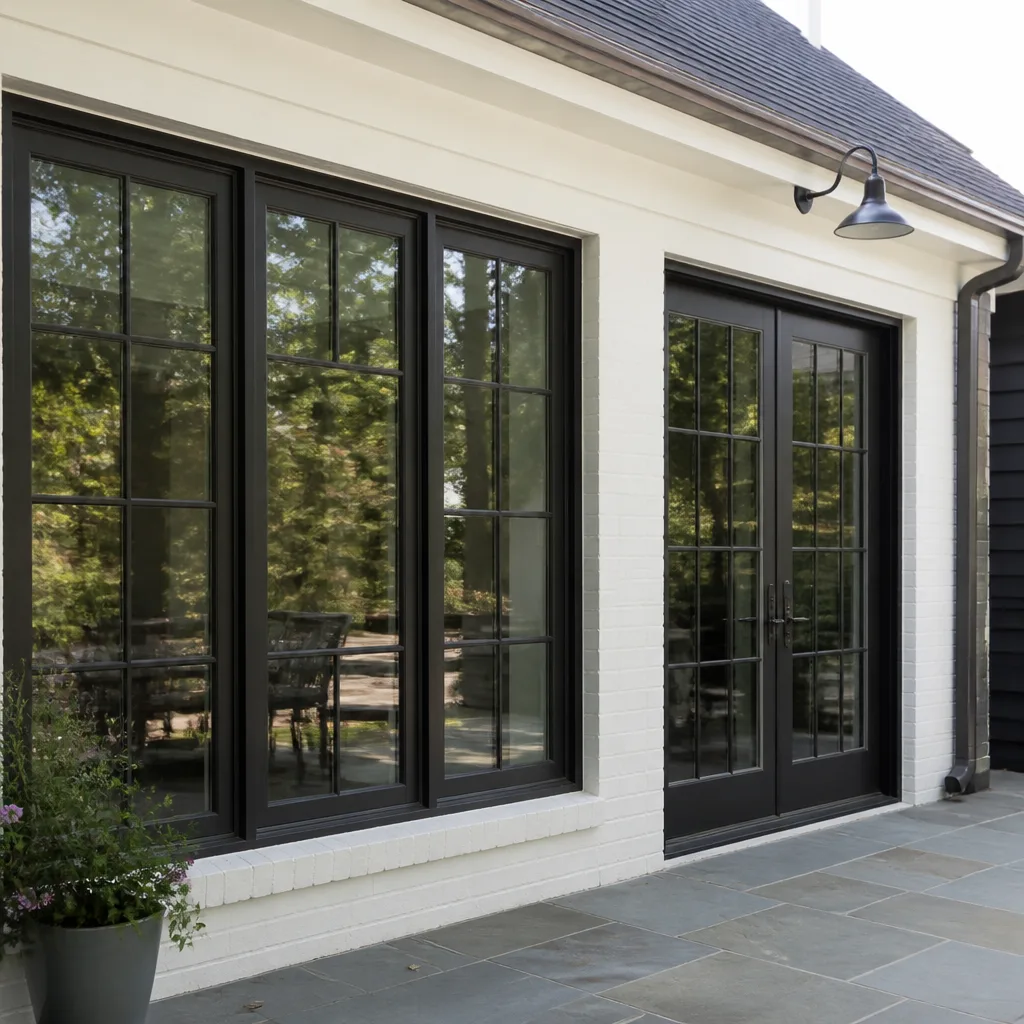
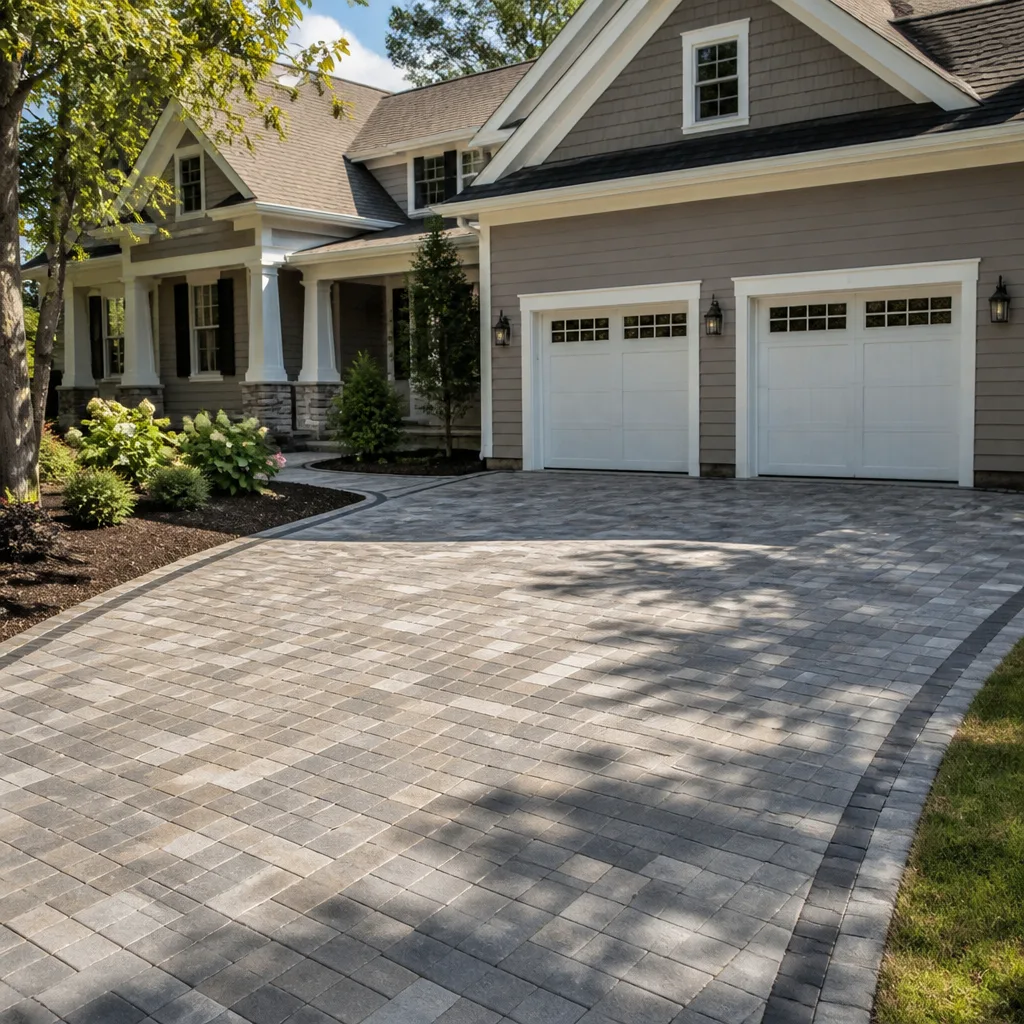
Styles & brands we work with
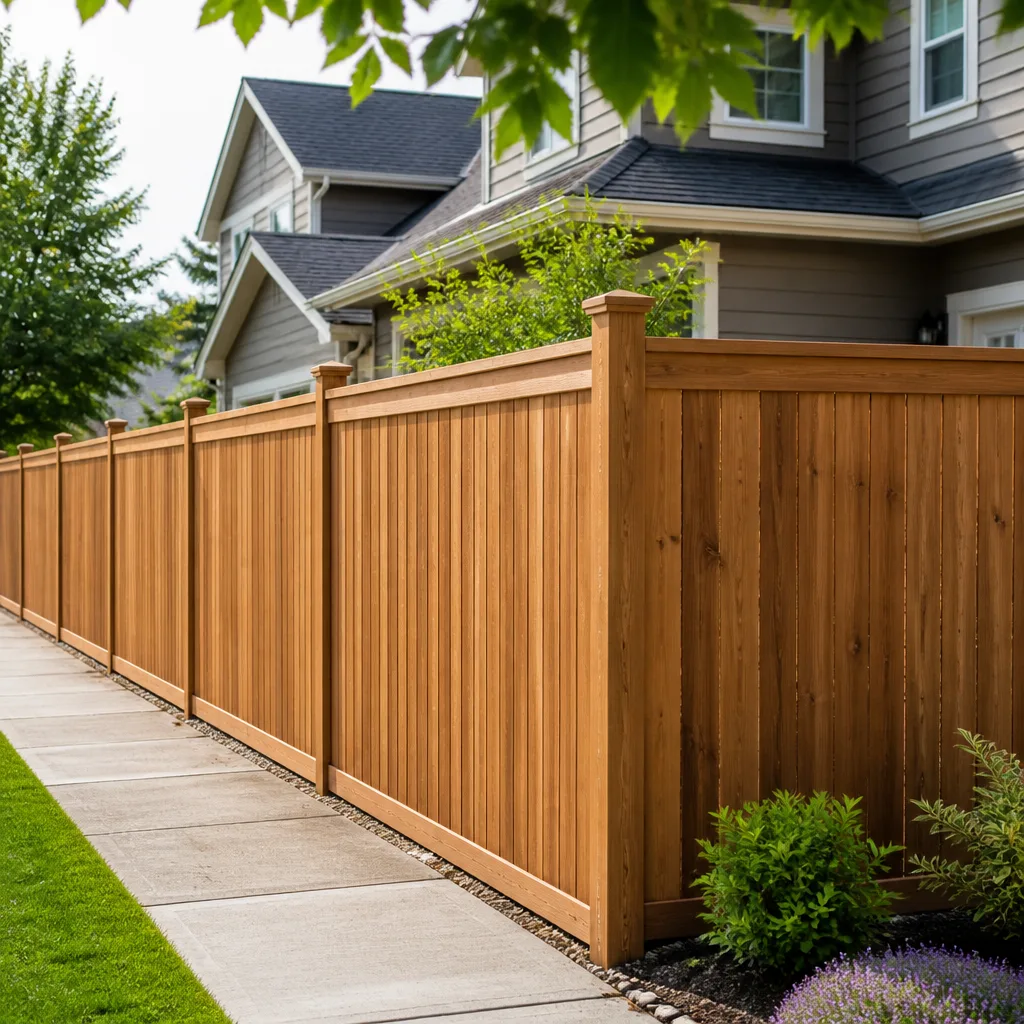
Which James Hardie Models This Applies To
James Hardie manufactures fiber cement plank and panel products under the HardiePlank, HardiePanel, and HardieTrim/Aspyre lines, and fence installations in the Tampa area most often use HardiePanel vertical siding or HardiePlank lap siding mounted to a structural post system. Fence-specific installations are less about a dedicated “fence model” and more about choosing the right Hardie panel thickness and texture to match what’s already on the house or the remaining fence line. If you have a section of Hardie fencing that needs matching, the fastest way to identify it is to check the back face of a removed panel for the embossed Hardie name and the mill date, or to measure the panel thickness: HardiePanel comes in 5/16-inch and 7/16-inch, while HardiePlank laps are 5/16-inch thick with either a smooth or woodgrain texture.
For fence work, we treat HardiePanel as the workhorse because it spans a fence bay without horizontal seams, which is exactly where Tampa’s humidity and afternoon downpours push water into exposed edges. OEM Hardie panels are the right choice when the finished fence abuts a Hardie-sided home and the texture needs to read continuous from house to yard. There are quality aftermarket fiber cement panels on the market, and for a standalone fence line they can be a sensible way to hold cost down, but we won’t spec one without showing you a sample against the existing Hardie surface first. Graham Stein has pulled enough mismatched cement board off Tampa fences to know that a texture that looks close in a photo can look wrong in the late afternoon light.
Signs Your James Hardie Fence Installation Is Failing
- Swelling or softness along the bottom edge. Hardie fiber cement is moisture-resistant, not waterproof, and if the panel was set too close to Tampa’s sandy soil or the irrigation runs against it, the bottom inch will start to absorb ground water, swell, and eventually crumble.
- Post lean after storms. Tampa’s summer thunderstorms saturate the ground fast, and a post that was set shallow or in a wide, uncompacted hole will start to lean within a season or two, pulling the Hardie panels out of plane.
- Wavy panel lines or popped fasteners. When fiber cement panels are fastened too close to the edge or without an expansion gap, heating and cooling cycles work the fasteners loose, and the fence line develops visible waves.
- Chalky white residue at seams. Efflorescence at panel edges signals water moving through the material, which means a failed edge seal or ground contact somewhere upstream. It’s cosmetic at first and structural if ignored.
- Rattling or drumming in wind. A Hardie fence that had solid screws should not move audibly in a Tampa gust. Loose panels against steel posts mean the fastener pattern or the backing is failing.
See the difference
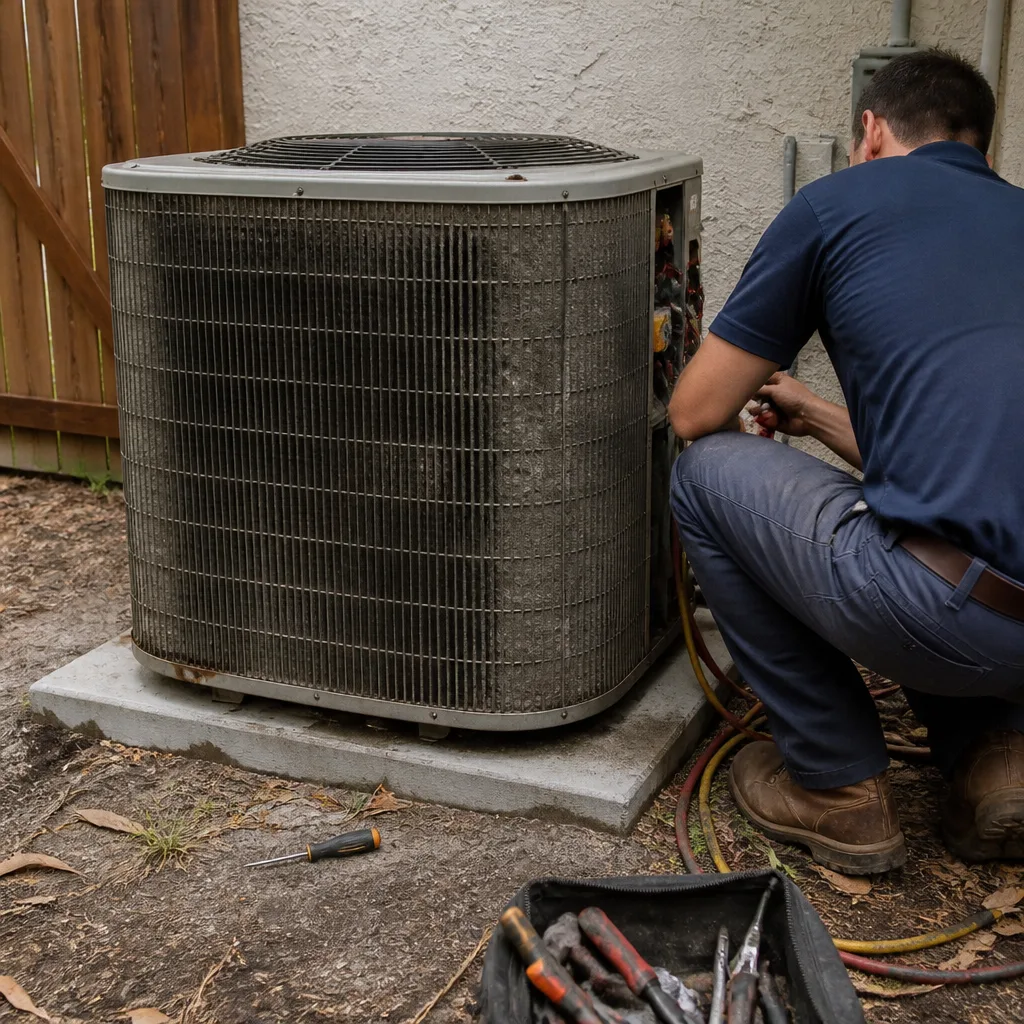 Before
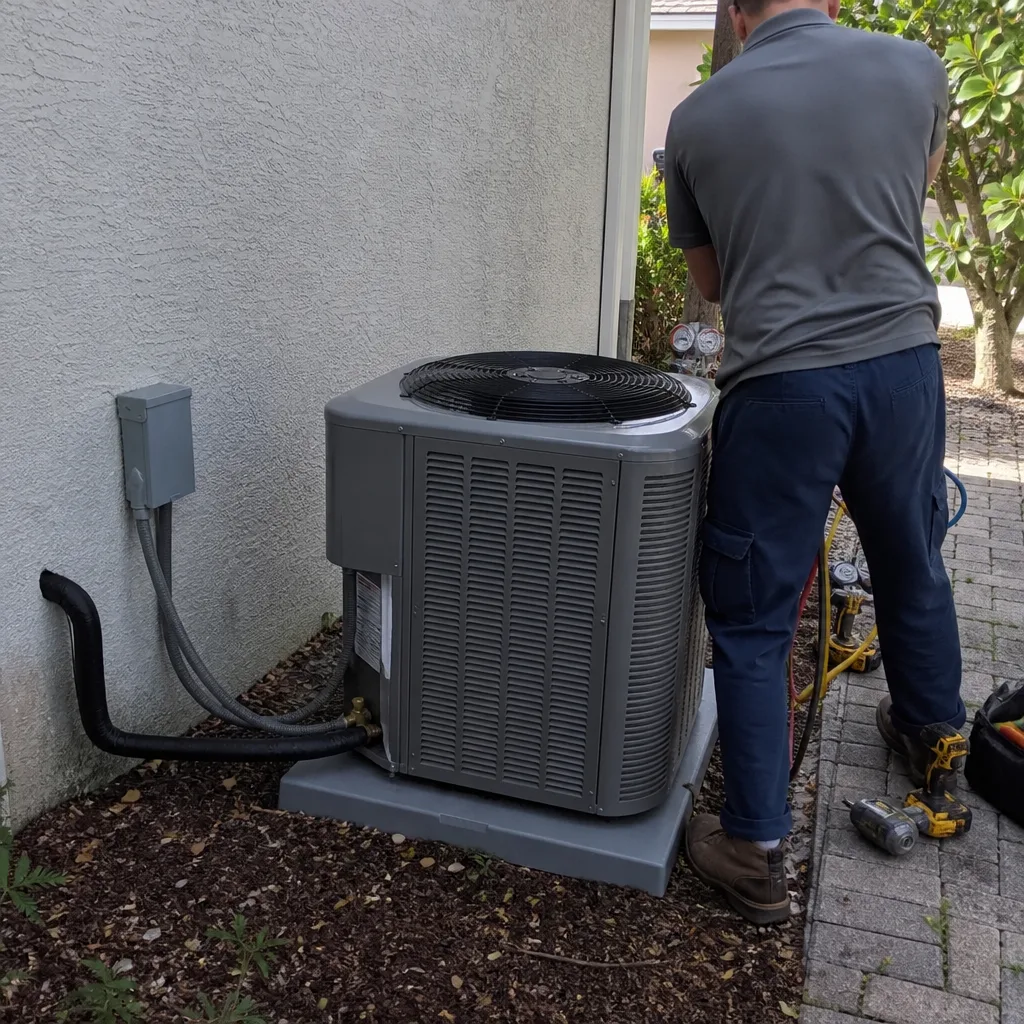 After
After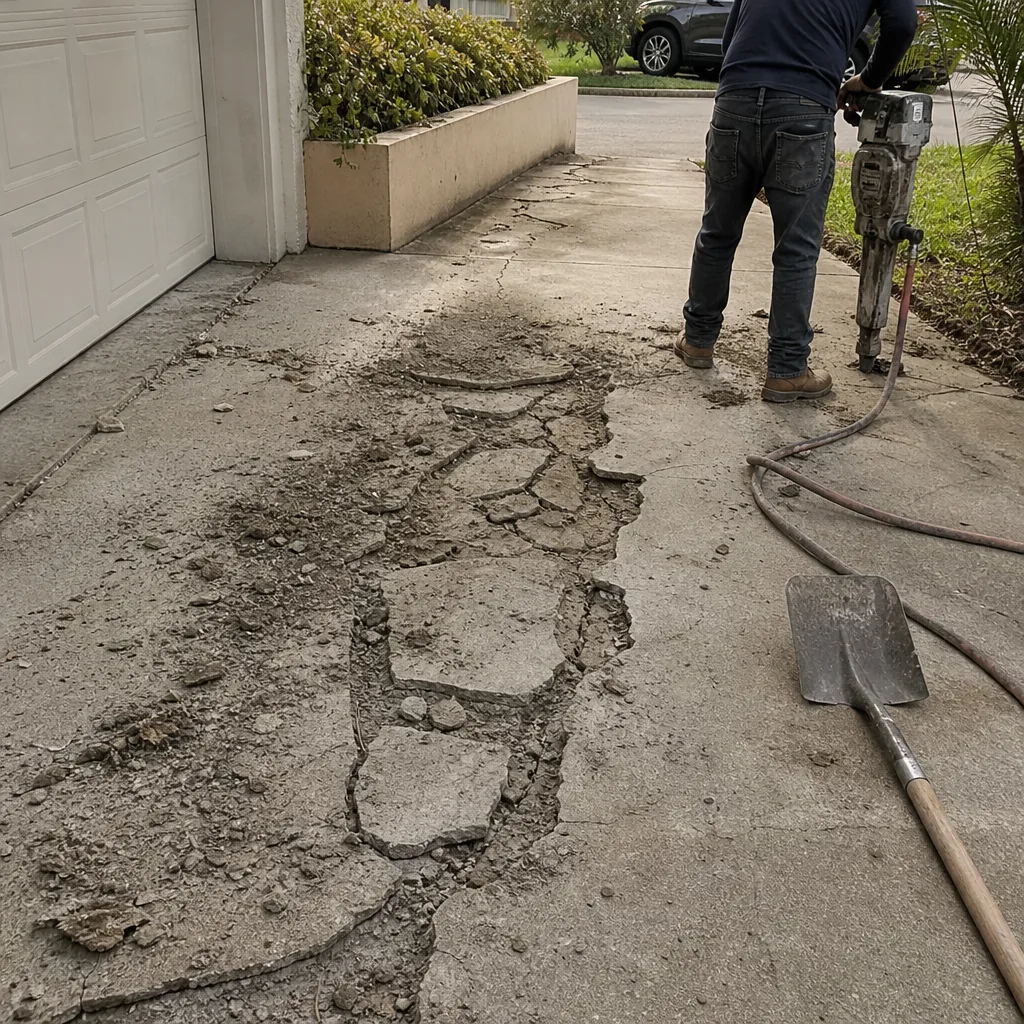 Before
 After
After Before
 After
AfterReplacement Cost & What’s Included
For a James Hardie fence installation in Tampa, you should plan on $3,500 – $9,000 for a full replacement or a substantial repair, with the final number driven by linear footage, whether we’re replacing posts or reusing sound existing steel, and the panel texture you select to match the house. At the lower end, that’s a modest backyard fence run with HardiePanel on existing sound posts. At the upper end, that’s new pressure-treated or steel posts with concrete footings, full Hardie panels, fasteners, trim, and haul-away of the old materials.
Every quote from Elmstead Remodeling Tampa includes the parts, the labor, the fasteners rated for fiber cement, the concrete, and the cleanup. We write the price before any work starts, and we don’t come back after the crew arrives with a change order because the post holes hit a root ball. The completed fence is covered by our 365-Day Done Right Promise: if it’s not done right, we make it right. On top of that, the Hardie material warranty stays with the product itself.
DIY or Call Us?
There are things an owner can reasonably check without touching a saw: look at the bottom clearance of each panel to see whether soil or mulch has crept up against the fiber cement, wiggle each post at the top to feel for movement, and inspect seam lines for daylight or swollen edges. If the issue is ground contact at the panel bottom, pulling mulch or soil back and letting the edge dry is a temporary step any Tampa homeowner can handle safely.
Where DIY goes wrong is in the removal and reframing. Hardie fiber cement is brittle at the edges, and pulling a damaged panel without bracing the adjoining one can crack a good panel into scrap. Cutting fiber cement without the right blade throws silica dust into a Florida backyard, which is not something you want around children or pets. And setting a fence post in Tampa’s sandy soil means knowing how deep to dig so the next storm season doesn’t repeat today’s lean. This is the point where it makes sense to call us. Graham Stein and the crew will bring shoe covers for the house path, drop cloths for the walkway, and a written price that won’t move after we start. Call (850) 779-4017 and a live person answers.
FAQs
In Tampa’s climate, a properly installed Hardie fiber cement fence should hold its structure for 20 to 25 years, with the finish and edge seal needing attention before the panels themselves fail. The weak point is almost never the Hardie material; it’s the bottom edge clearance and the post footings underneath it.
A single cracked or swollen HardiePanel can usually be swapped in a day, as long as the posts and the adjoining panels are still sound. If multiple panels show edge swelling or the posts are leaning, we’ll tell you honestly that spot repairs will chase the problem, and a full Tampa fence installation is the better use of the budget. Call (850) 779-4017 for a written quote either way.
Most Tampa fence installations take two to four days from post hole to final fastener, depending on the run length and how much of the old frame we are replacing. We tell you the working hours before we start, and we keep the noise inside quiet hours where it matters, especially if there’s a nap schedule in the house.
We keep common HardiePanel thicknesses and textures in our Tampa stock, and we can pull the specific profile for most fence jobs within a few days. For wider runs or less common textures, we order directly from our Hardie supplier along with our other named-brand materials like KraftMaid, Cambria, and Silestone, so you know exactly what’s going on the fence before we start.
Written by Graham Stein, Owner, Elmstead Remodeling Tampa at Elmstead Remodeling Tampa, serving Tampa and nearby areas.