

Free written scope consultation - allowances, timeline, and change-order rules on paper before a single trade is scheduled
CWS Roofing: The Tampa Owner’s Guide
We stock and install CWS-compatible roofing materials for Tampa homes, with most replacement work running between $400 and $1,800 depending on the scope of the damage. If you’ve spotted a water stain spreading across your ceiling or found granules washing into your gutters after a hard rain, that’s the moment most Tampa homeowners first realize their CWS roof has a failing part. You’re not just looking at a cosmetic problem – you’re looking at the first sign that moisture is finding its way past the surface.
What we see most often in Tampa’s climate is a slow failure that starts small. The afternoon thunderstorms roll through, the sun comes back out, and the heat does what heat always does to roofing materials: it expands them, contracts them, and eventually breaks down the seals that were keeping water out. By the time a homeowner calls us, the part that failed is rarely the whole roof – it’s usually one specific component that gave out under conditions the rest of the system is still fighting against.
Elmstead Remodeling Tampa is an independent service provider, not affiliated with CWS. We repair and replace CWS roofing because we know the product line well enough to match parts correctly, and because a roof that’s leaking doesn’t care who installed it. What matters is that the fix is done right the first time, with the right materials, at a price that was written down before we started.
Which CWS Models This Applies To
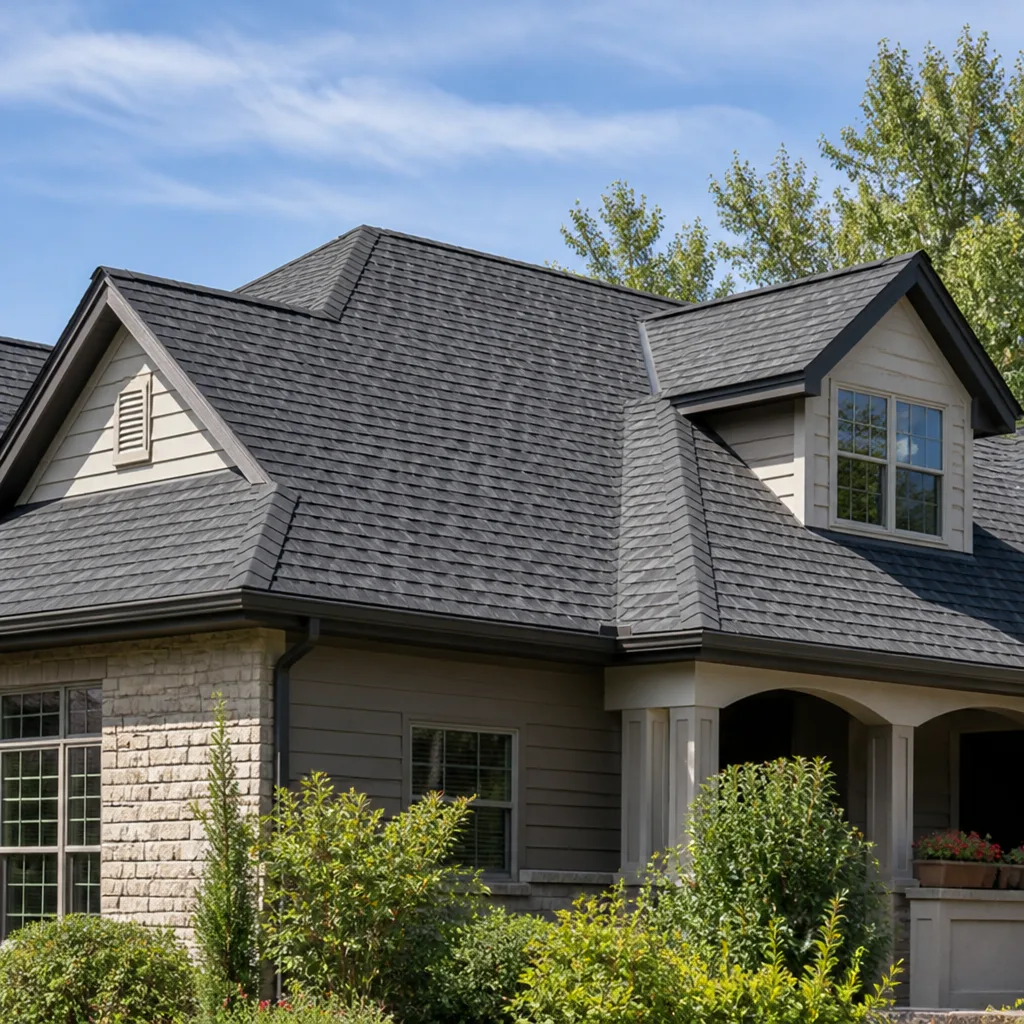
CWS roofing systems vary by series, and the part that failed on your roof depends on which line was installed. The most common CWS installations we see across Tampa are their architectural shingle lines and their standing seam metal profiles, and each has its own compatibility rules. This is where a lot of DIY part-matching goes wrong: a shingle that looks identical to the one on your roof may have a different nail strip placement, a different sealant pattern, or a different exposure rating, and installing it anyway creates a weak point that fails again within a season or two.
To identify the right CWS part, start by checking the labels on any leftover bundles in your garage or attic. The product code and color lot are printed on the wrapper, and that information matters more than the brand name. If you don’t have leftover materials, measure what’s on the roof: shingle exposure, overall width, and the profile geometry on a metal panel. We carry a range of CWS-compatible replacement stock on our trucks for the most common Tampa installs, and we can order exact-match pieces for less common series without guessing.
For CWS specifically, we recommend OEM parts when the roof is under five years old. After that, high-quality aftermarket equivalents that meet the same ASTM ratings often perform as well for less money, especially in Florida’s heat and humidity where the failure mode is almost always sealant breakdown rather than material defect. We’ll tell you which choice makes sense for your roof’s age and condition, and we’ll write the price down before any work starts.
Styles & brands we work with
Signs Your CWS Roofing Is Failing
- Water stains on the ceiling or upper walls. This is the symptom that gets most Tampa homeowners to pick up the phone. A stain means water has already made it through the roof deck, and the failing part is usually a cracked pipe boot, a failed shingle seal, or a rusted-through flashing joint. The stain is never where the leak started – water travels along rafters before it drops.
- Granules collecting in gutters and downspouts. If you’re finding what looks like coarse sand in your gutters every time they’re cleaned, your shingles are shedding their protective layer. In Tampa’s UV-heavy summers, granule loss accelerates once the asphalt begins to oxidize. A shingle that’s lost its granules is a shingle that’s about to crack.
- Curling or lifting shingle edges. This is a heat-driven failure. Tampa’s afternoon sun bakes shingles until the sealant strips soften and release, and then wind gets underneath. A curled shingle can’t be glued back down – the sealant strip has already failed and the shingle needs replacement.
- Rust streaks or pitted metal flashing. On CWS metal roofs and around chimneys, skylights, and vent pipes, the flashing is the first part to go. Coastal-adjacent salt air and Tampa’s intense rain cycles corrode flashing joints faster than the roofing panels themselves. Rust means the protective coating is gone and moisture is working on the metal beneath.
- Visible daylight in the attic. Go up during the brightest part of the day with the lights off. If you can see pinpricks or slivers of light through the roof deck, you’re looking at cracks, lifted fasteners, or failed caulk that will become leaks during the next storm. This is the cheapest stage to fix, and the one most homeowners never check.
See the difference
 Before
 After
After Before
 After
After Before
 After
AfterReplacement Cost & What’s Included

For most CWS roofing repairs in Tampa, you’re looking at $400 to $1,800 installed. Small, isolated problems – a single cracked pipe boot, a few lifted shingles, a short run of flashing – sit at the lower end. Larger repairs like replacing a section of roof deck, re-flashing a chimney, or swapping out multiple damaged panels on a metal roof push toward the higher end. A full roof replacement runs $8,000 to $20,000 depending on the size of the home and the roofing material.
A few things drive the range. First, the slope of your roof: steep pitches require more safety equipment and slower work, which adds labor hours. Second, the accessibility: a two-story Tampa home with tight side yards costs more to service than a single-story ranch. Third, the part itself: OEM CWS components carry a premium, while equivalent aftermarket parts often come in 20-30% lower without sacrificing performance on older roofs.
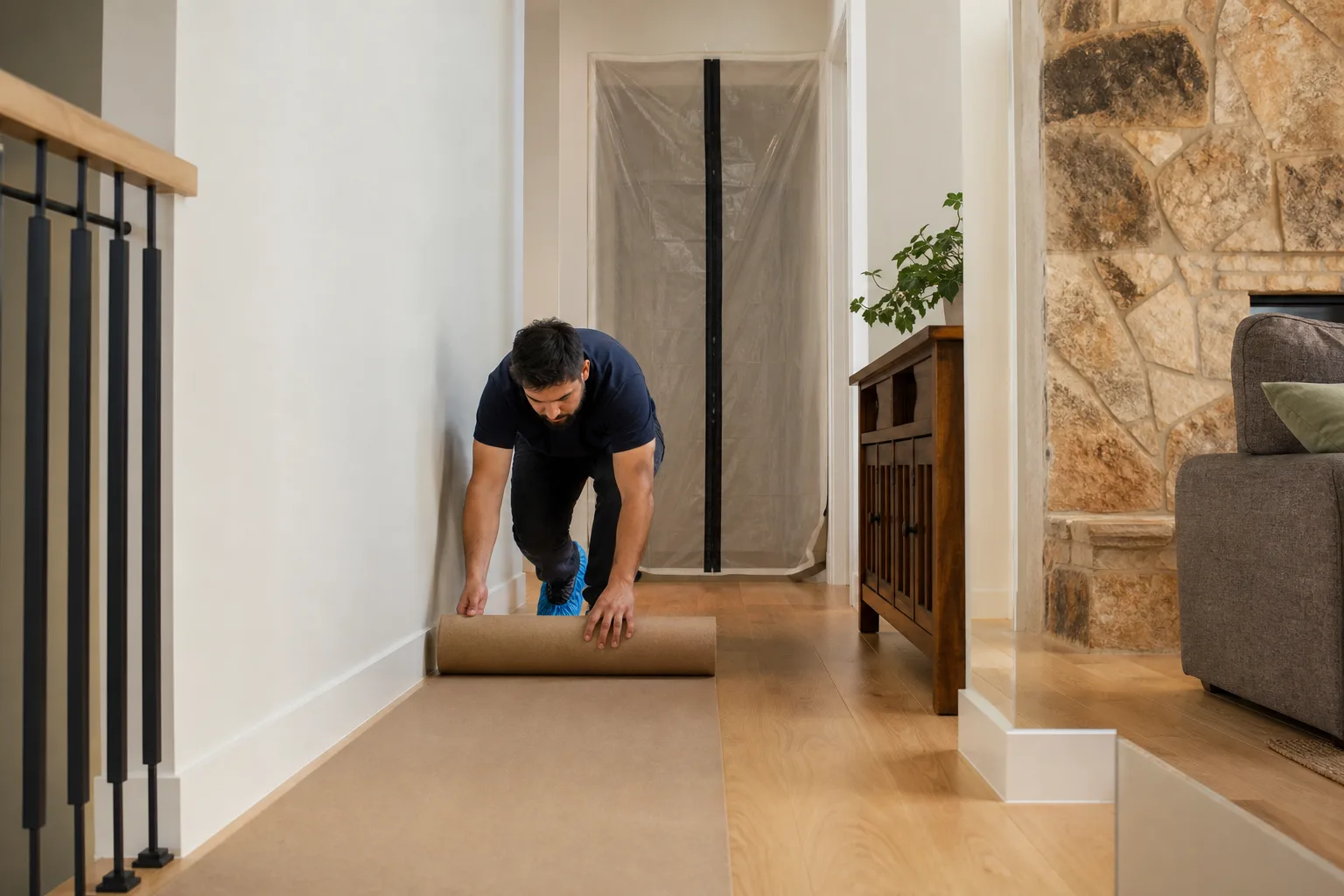
Every job includes the same protections we bring to any project: drop cloths and tarps to protect landscaping and walkways, a written price before any work starts, and a photo of the cleanup before our crew leaves. The 365-Day Done Right Promise applies here too – if the repair doesn’t hold, we come back and make it right. That’s not a warranty buried in fine print; it’s the standard we’ve held on every job since Graham Stein started running the Tampa crew.
DIY or Call Us?
There’s a real split here, and it’s worth being honest about which side your problem falls on. What you can safely do: check your attic for daylight, clean your gutters and note where granules are piling up, and examine your ceiling stains to track whether they’re growing after rain. These are diagnostic steps any homeowner can take without getting on a ladder, and they’ll help us give you a more accurate phone estimate.
What you should not do is get on a roof to replace a part yourself, especially on a two-story Tampa home or anything with a steeper pitch. Roofing work combines heights, heat, and heavy materials, and a fall from a roof is the kind of injury that changes a family’s life. Even on a single-story, walking a roof without knowing how to distribute weight over the deck can crack rafters and sheathing that weren’t damaged before. The materials themselves aren’t dangerous to handle, but the position you’re in while handling them is.
If the problem is small and you’re on the fence, call us at (850) 779-4017 and describe what you’re seeing. We’ll walk you through what to check from the ground, and if it’s something that truly can wait, we’ll say so. If it needs a crew, we’ll schedule a free estimate and write the price down before we start.
FAQs
How long do CWS roofs last in Tampa’s climate? A CWS asphalt shingle roof in Tampa typically lasts 15 to 20 years, while CWS metal roofing can last 30 to 50 years with proper flashing maintenance. The Florida sun and humidity shorten shingle life compared to northern climates, which is why venting and attic airflow matter as much as the shingles themselves.
Can a failing CWS part be repaired instead of replaced? Some parts can be repaired – pipe boots can be re-sealed, small flashing gaps can be caulked, and individual shingles can be swapped. But failed sealant strips, rusted-through flashing, and cracked decking need full replacement, not patching, or you’ll be paying for the same repair again within a year.
How long does a CWS roofing repair take? Most individual part replacements take 2 to 4 hours on site, though larger repairs involving multiple roof penetrations or deck replacement can run a full day. We’ll give you a specific window when you call, and we keep noise confined to the hours we actually told the family to expect it.
Do you stock CWS parts on the truck? We stock the most common CWS-compatible replacement parts on our Tampa trucks – pipe boots, flashing, and fasteners for the series we see most often. For exact-match or less common CWS components, we order ahead and have them on site within a few business days.
Whether it’s a pipe boot that’s cracked, flashing that’s rusted through, or shingles that have curled past saving, the first step is a phone call to (850) 779-4017. We’ll talk through what you’re seeing, schedule a free estimate if it needs a look, and write the price down before we start. We write it down before we start so nobody is guessing mid-project.
Written by Graham Stein, Owner, Elmstead Remodeling Tampa at Elmstead Remodeling Tampa, serving Tampa and nearby areas.