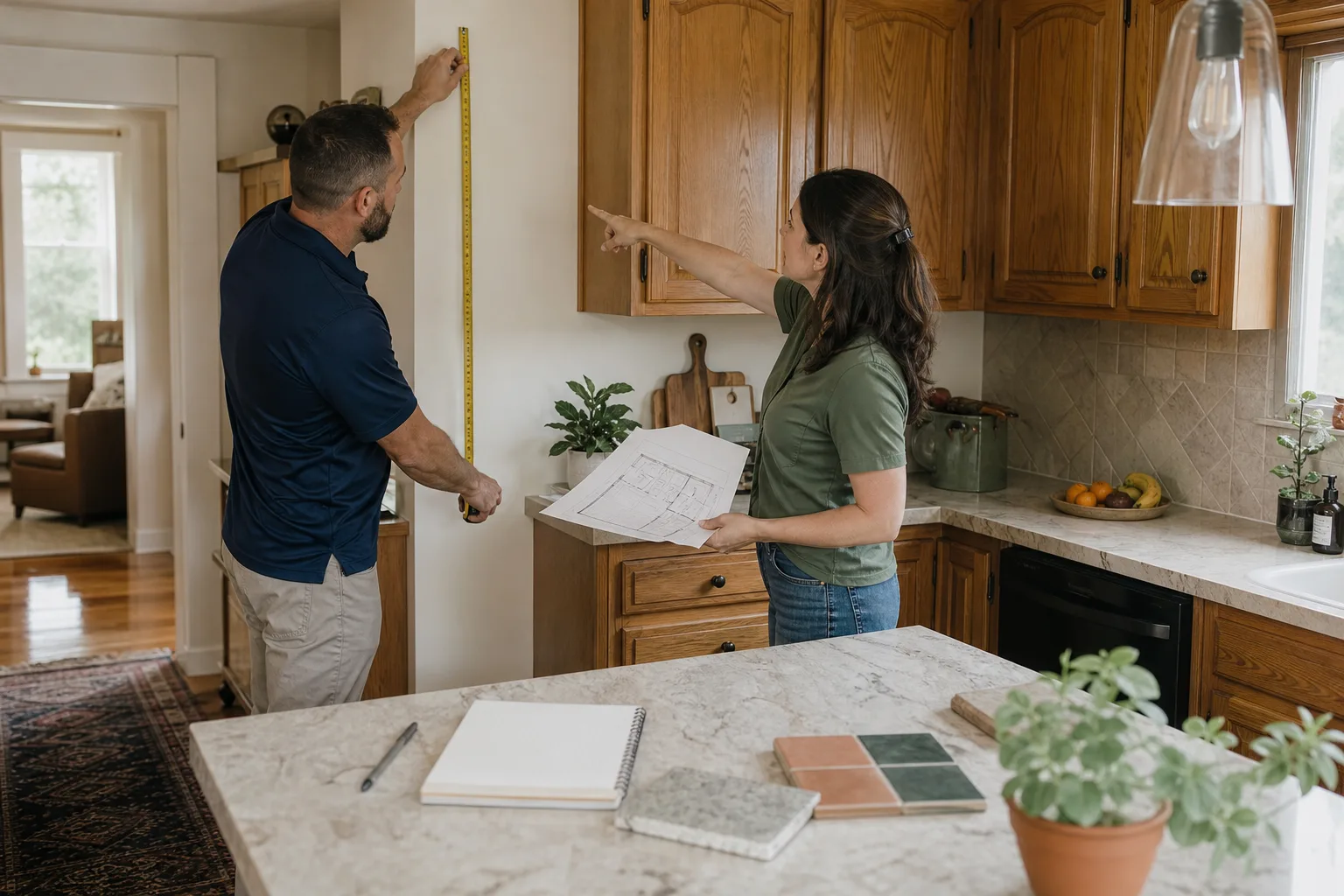






Free written scope consultation - allowances, timeline, and change-order rules on paper before a single trade is scheduled
Cambridge Pavers Fence Installation: The Tampa Owner’s Guide
Cambridge Pavers fence installation in Tampa typically costs $3,500 – $9,000 for a complete post-and-panel system, with most jobs priced on a written line-item estimate before the first paver is touched. That price includes the wall block, post installation, cap course, and the labor to set it square and level against Florida’s shifting sandy soil.
Most Tampa homeowners call us after they notice a fence post leaning, a cap stone cracked loose after a storm, or a section that heaved during the summer rains. The conversation usually starts with “the fence looked fine last year,” and it almost always ends with us finding water intrusion at the base course or a post that was never set below the root line of the neighbor’s oak. We write the fix down before we start so nobody is guessing mid-project.
We’re an independent Tampa remodeling contractor. We are not affiliated with Cambridge Pavers, but we work with their paver systems regularly and know which units match which fence profiles.
Which Cambridge Pavers Models This Applies To
Cambridge Pavers produces wall and fence systems under a few recognizable lines, and the compatibility rules are more specific than most homeowners expect. The armoring units differ by series: the Pisa and Pisa II lines use a tongue-and-groove modular block that locks into pre-formed posts, while the Maytrx and Ledgestone lines stack with a smooth-face cap that requires a different adhesive and a different post-to-panel connector than the older Pisa units.
Here’s the compatibility gotcha we see on Tampa jobs: the Pisa II block is not interchangeable with the original Pisa post, even though the face dimensions are nearly identical. The locking channel is offset by roughly 3/8 inch, which means the new block will sit proud of the old post face and eventually crack the cap under lateral pressure. If the existing fence predates 2017, we check the mold tag on the back of the block before quoting a repair. The tag reads “Cambridge” followed by a two-letter series code. No tag? We measure the channel depth with a caliper: Pisa runs 9/16 inch; Pisa II runs 5/8 inch.
On the OEM-vs-aftermarket question: for load-bearing fence posts, we use genuine Cambridge Pavers posts every time. The concrete mix includes a polymer additive that resists the freeze-thaw spalling we see with budget aftermarket posts. For non-structural caps and accent pieces, a quality aftermarket unit from a Florida supplier is usually fine, and we’ll note that on the estimate so there’s no surprise in the materials list.
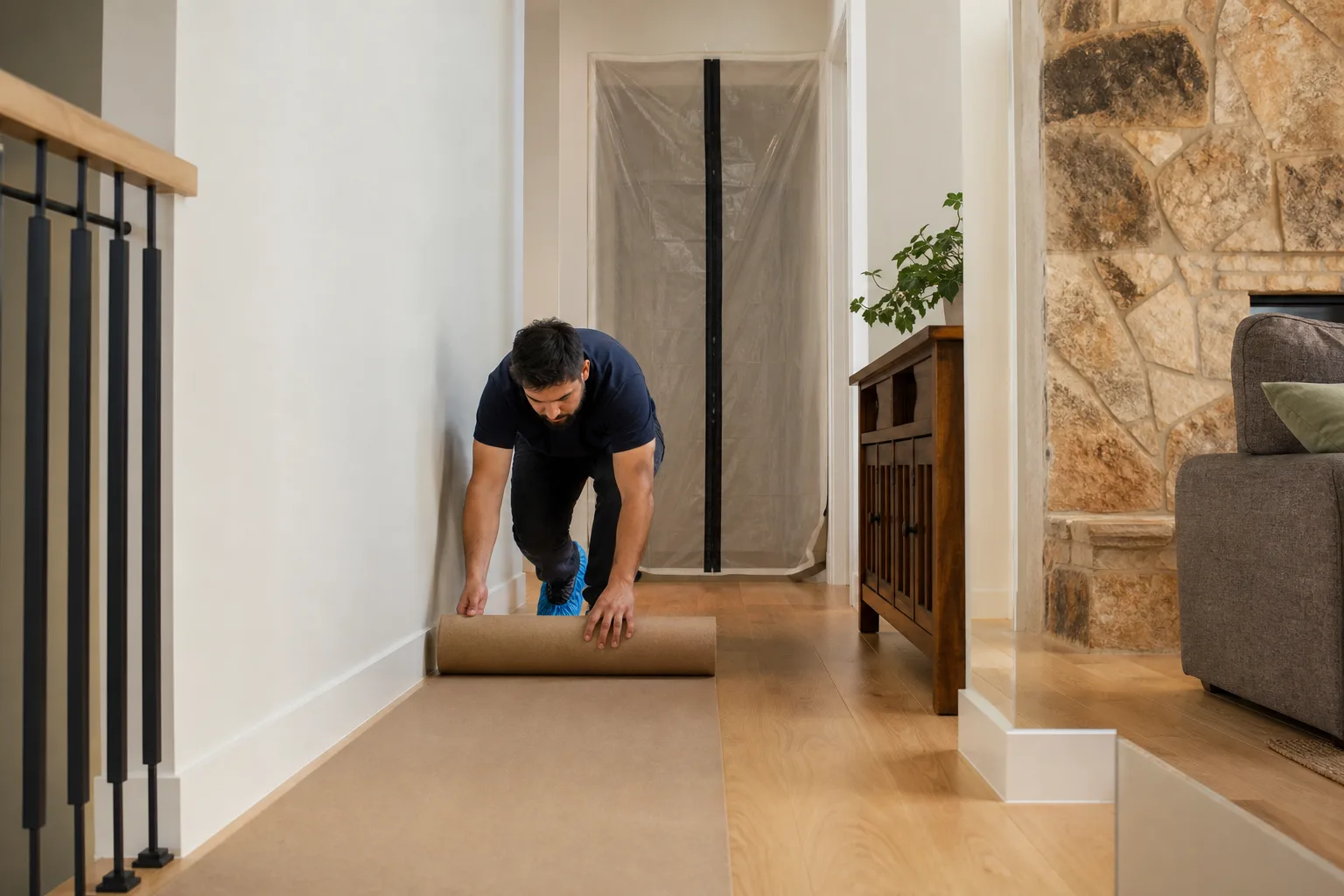
For paver fence work, Graham Stein and the Elmstead Remodeling Tampa crew treat the footprint the way we treat a kitchen floor: drop cloths at the work line, shoe covers at the door, and a photo of the cleaned work area before we leave.
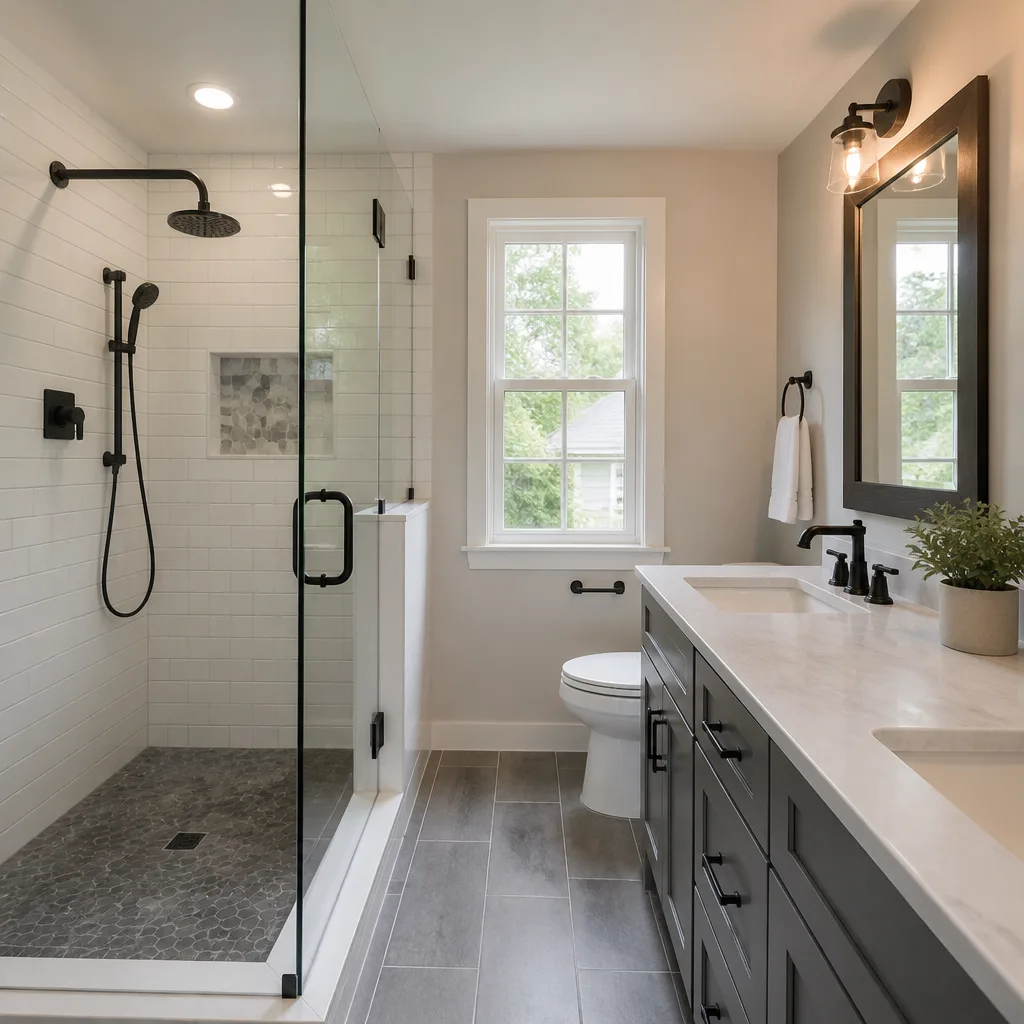
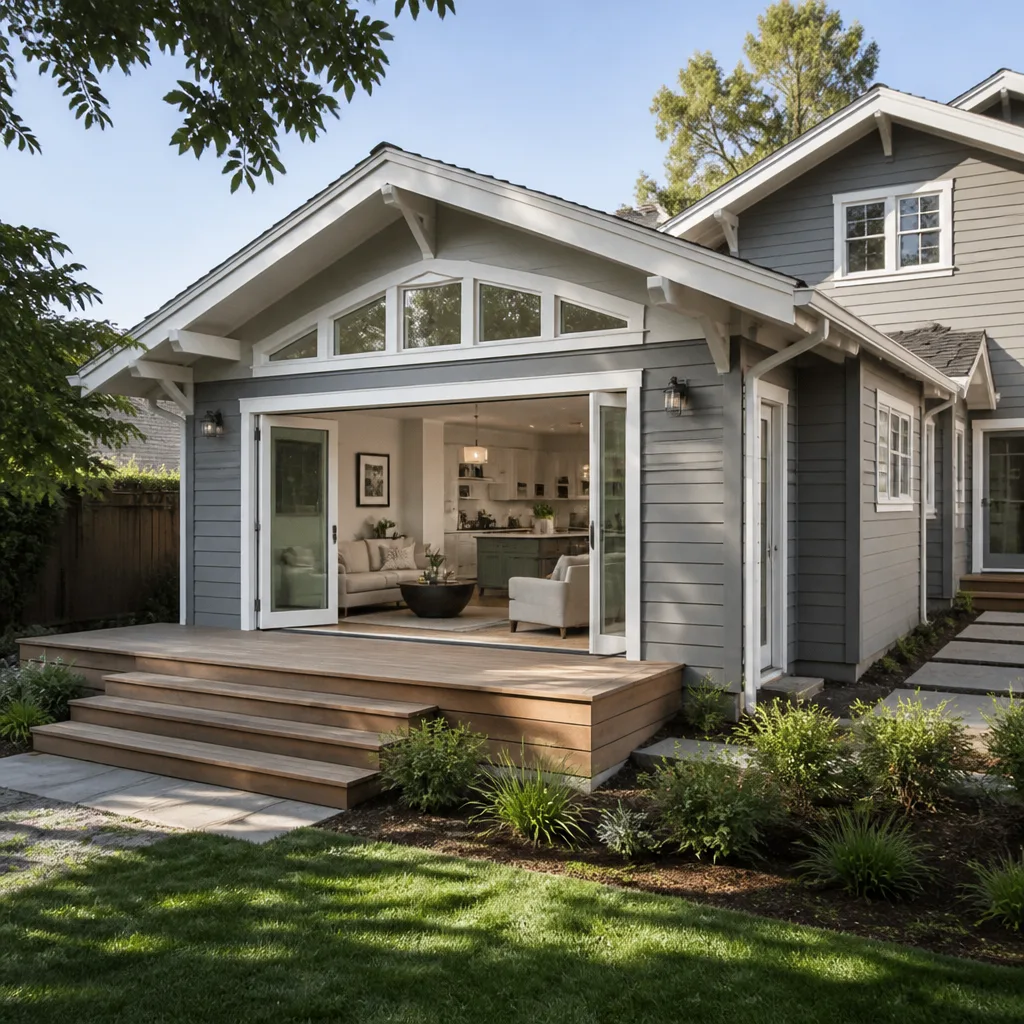
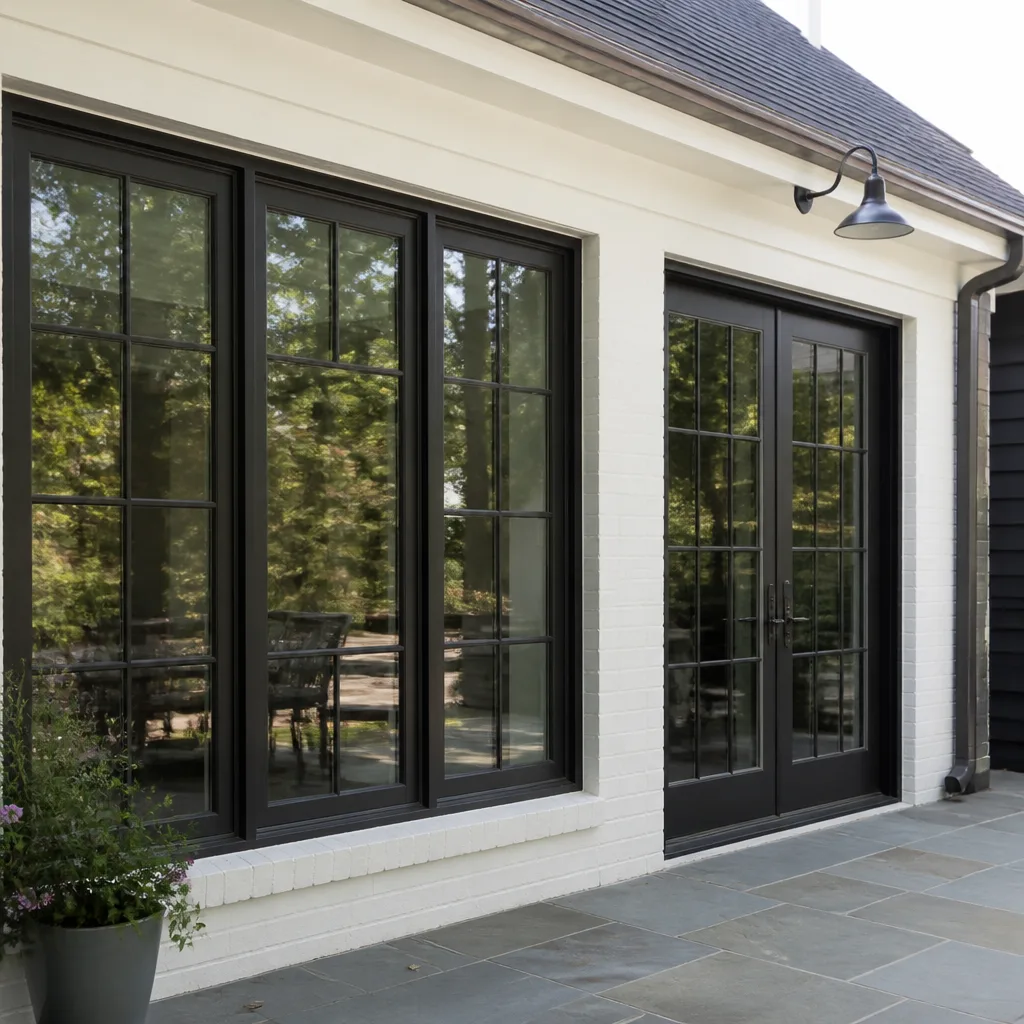
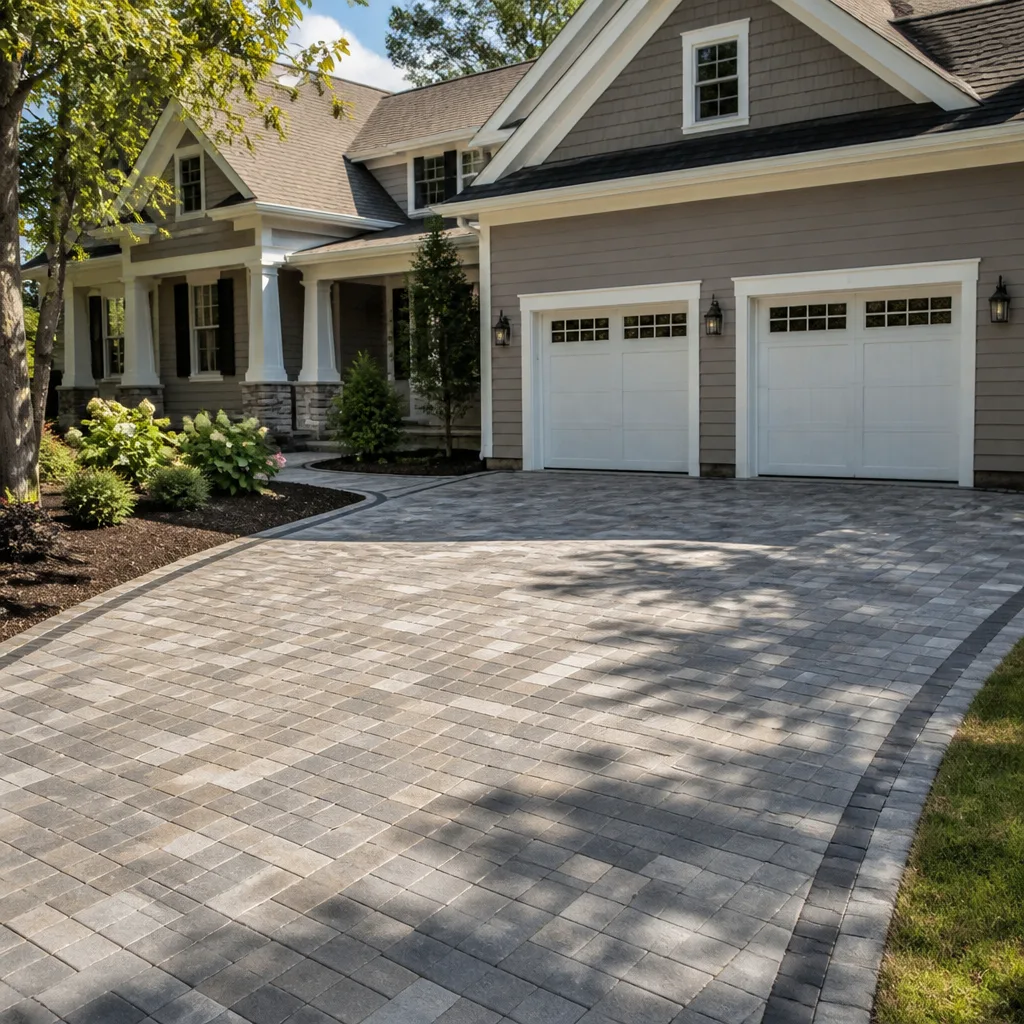
Styles & brands we work with

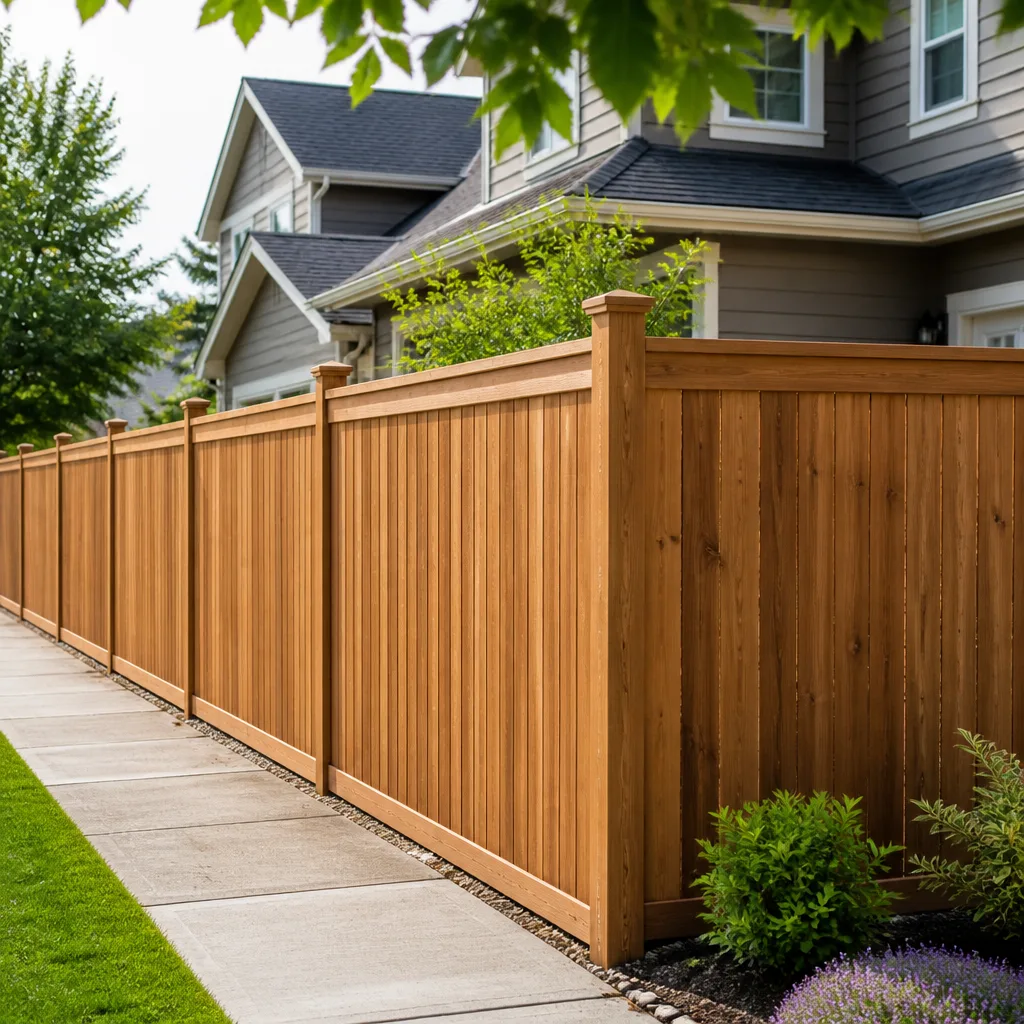
Signs Your Cambridge Pavers Fence Installation Is Failing
- Post lean or tilt. The post base has lost contact with its footing, usually because the original installer set it on compacted sand instead of a poured concrete pad. In Tampa’s summer-wet soil, a post on sand will settle unevenly within two seasons.
- Cracked or lifted cap stones. Water gets into the adhesive joint, and the Florida sun bakes the cap until the thermal expansion pops it loose. Once one cap lifts, water channels into the post and the failure accelerates.
- Gap between panel and post. The panel has shifted because the tongue-and-groove channel is no longer seated. This is often the first visible sign of a footing problem, not a panel problem.
- White chalky residue on the lower two courses. Efflorescence: salt and mineral deposits pushed through the block by rising damp. It’s not fatal on its own, but it tells you water is moving through the wall and will eventually erode the mortar or adhesive.
- Heaved or bowed sections after a heavy rain. A section of fence that rises or bows means water is pooling under the base course. In Tampa’s flat lots, a missing drain path will do this to a paver fence faster than any other single cause.
See the difference
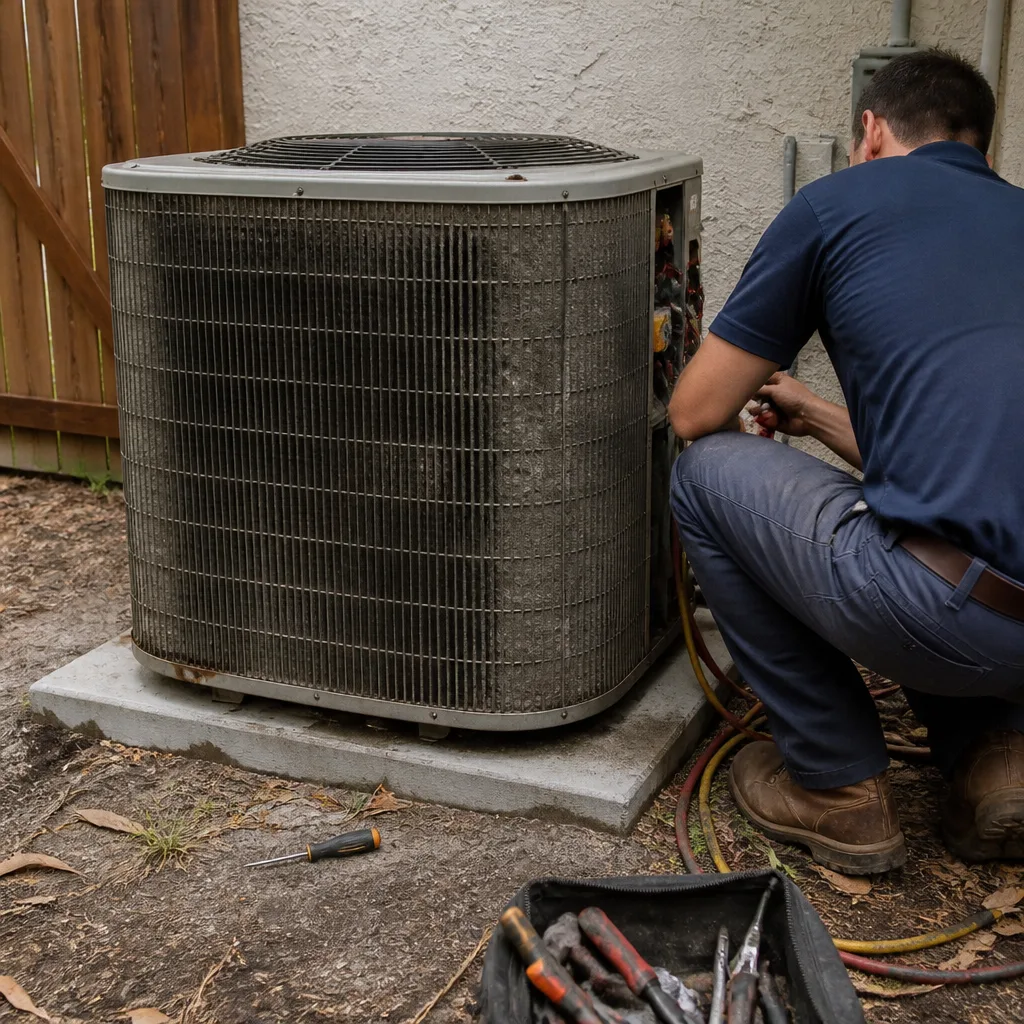 Before
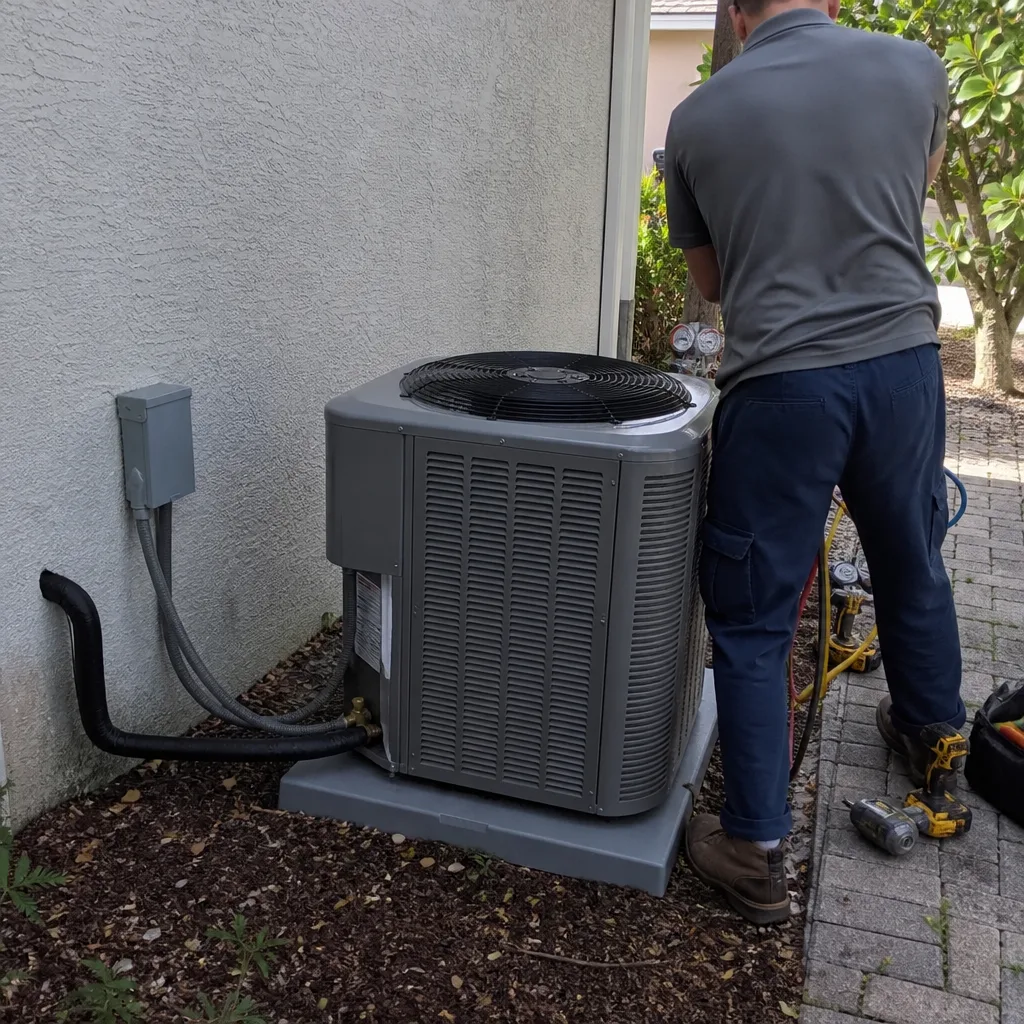 After
After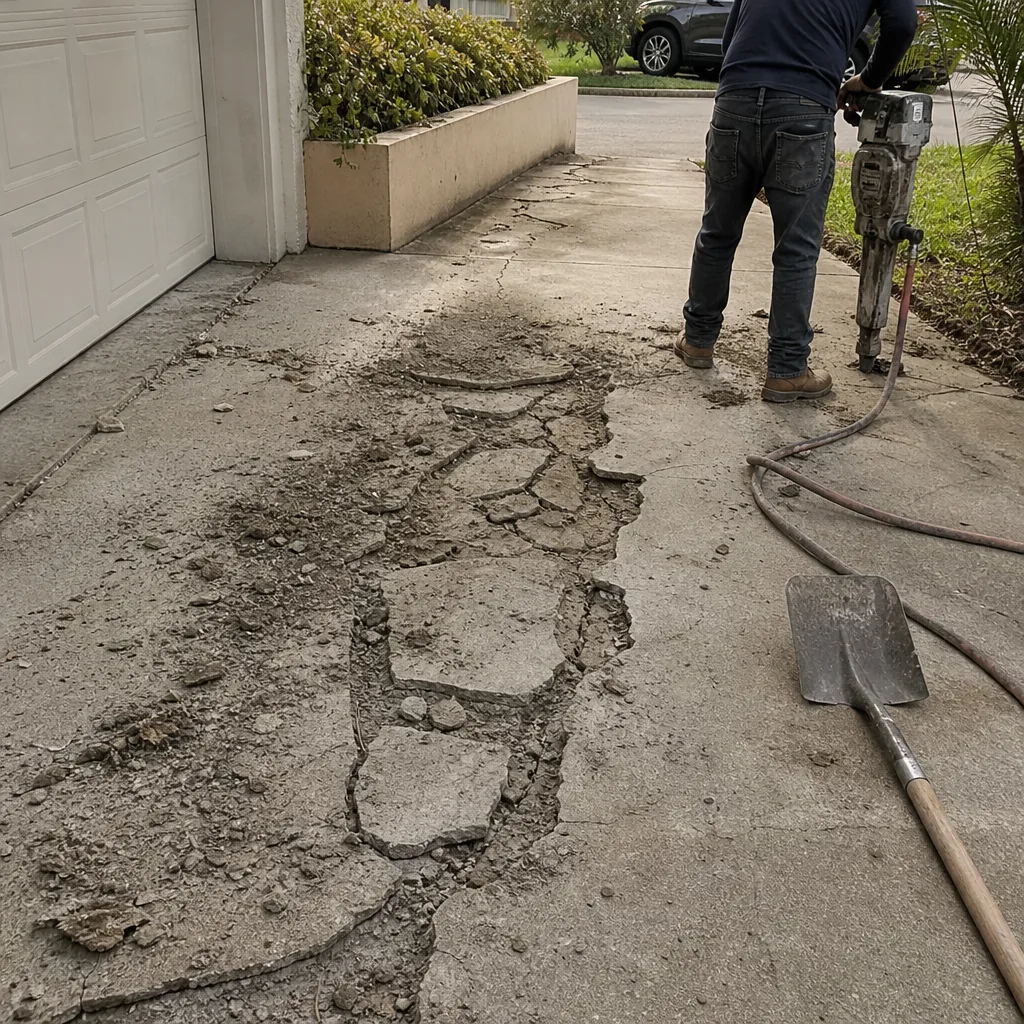 Before
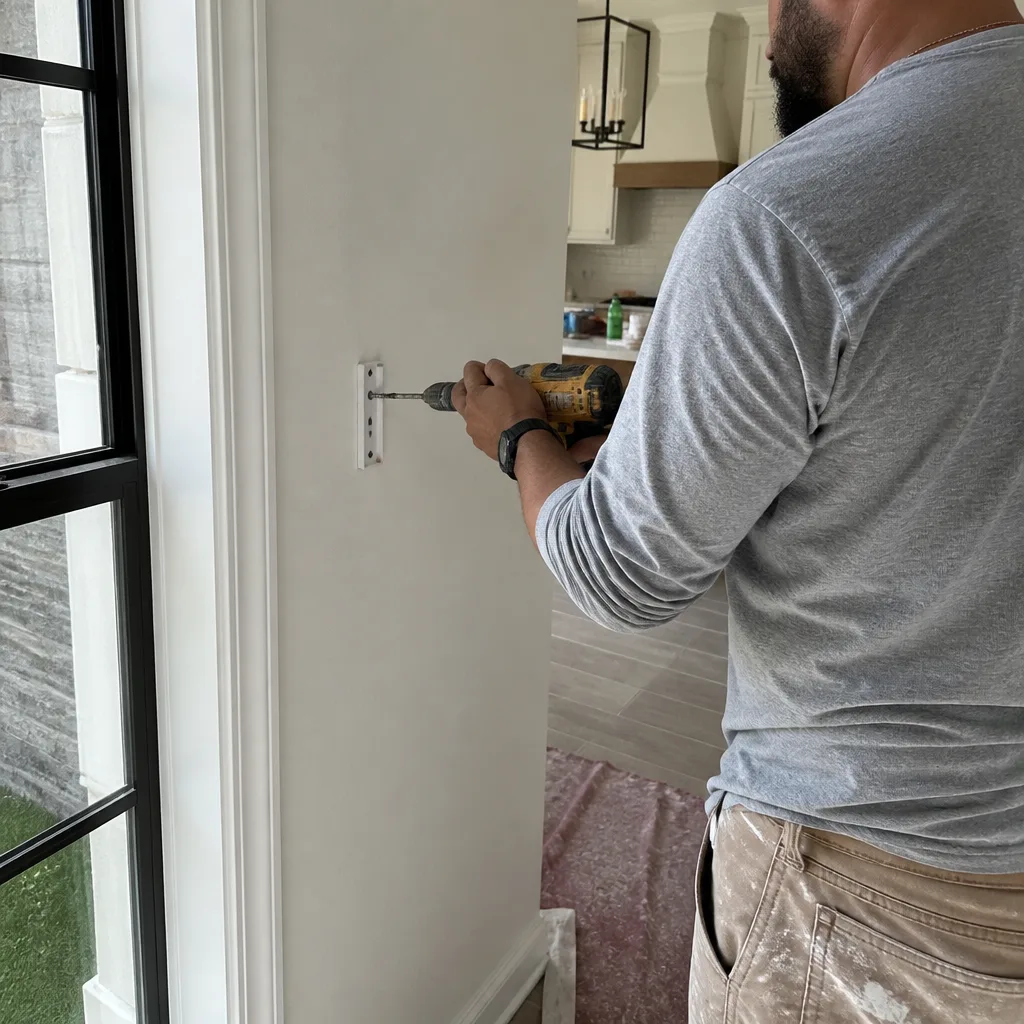 After
After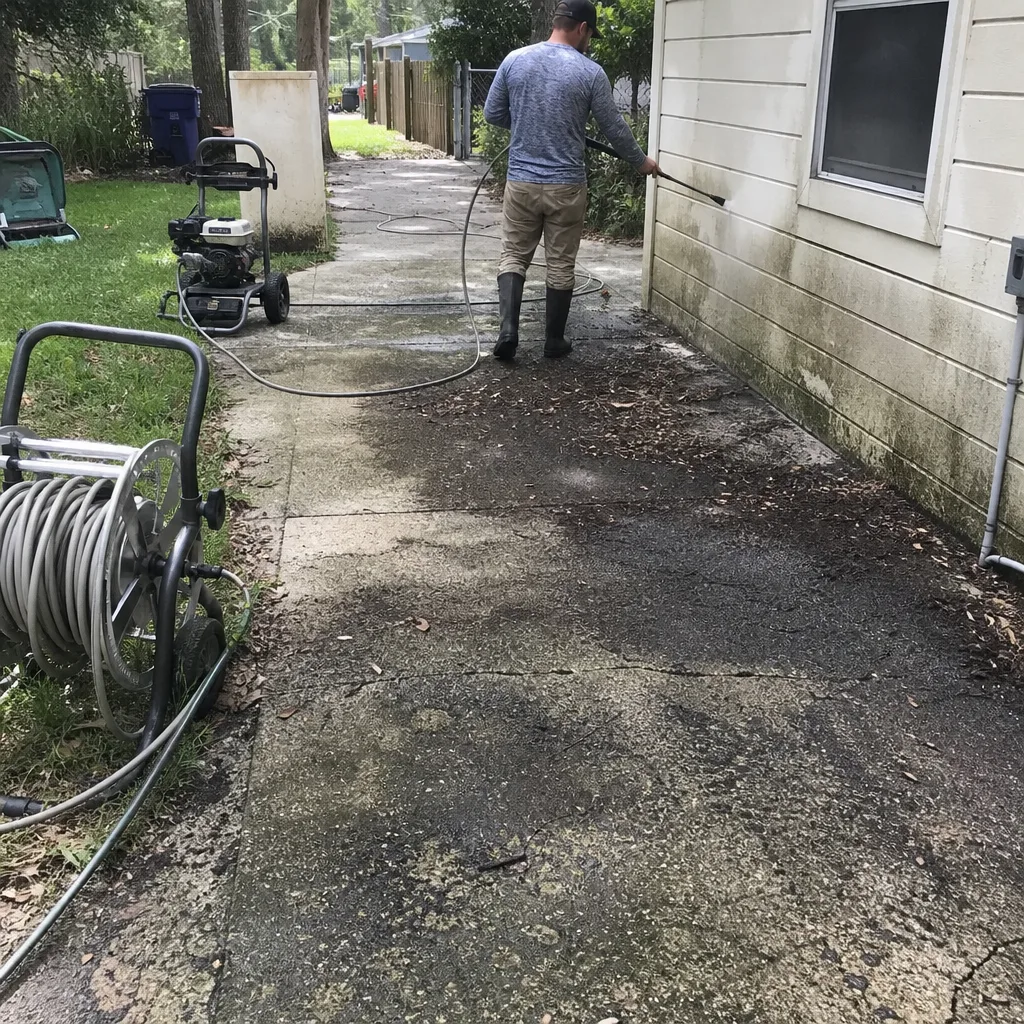 Before
 After
AfterReplacement Cost & What’s Included

For Cambridge Pavers fence installation in Tampa, we quote $3,500 – $9,000 depending on linear footage, post count, and whether the base course needs to be reset on a new concrete footing. A short 30-foot run with two new posts and a fresh cap course lands near the bottom of that range. A full property line with eight posts, drainage work, and removal of the old fence runs toward the top.
Every estimate is a written line-item price, not a range. It lists the block count, post count, adhesive or mortar type, footing depth, haul-away of the old materials, and the labor hours we expect. The price we write before work starts is the price you pay when the job is done. If we find something under the surface that changes the scope, we stop and put the new number in writing before anything else happens.
The workmanship is covered by our 365-Day Done Right Promise. If something is not right after the job is complete, we make it right. Cambridge Pavers’ own material warranty stays with the product itself, and we’ll point you to exactly what it covers when we hand over the paperwork.
DIY or Call Us?
For a Cambridge Pavers fence, there’s an honest split. A homeowner can safely check the visible signs: look for cap movement, measure the gap between panel and post, and clear leaves and soil from the base course so water has a path to drain. That’s all safe.
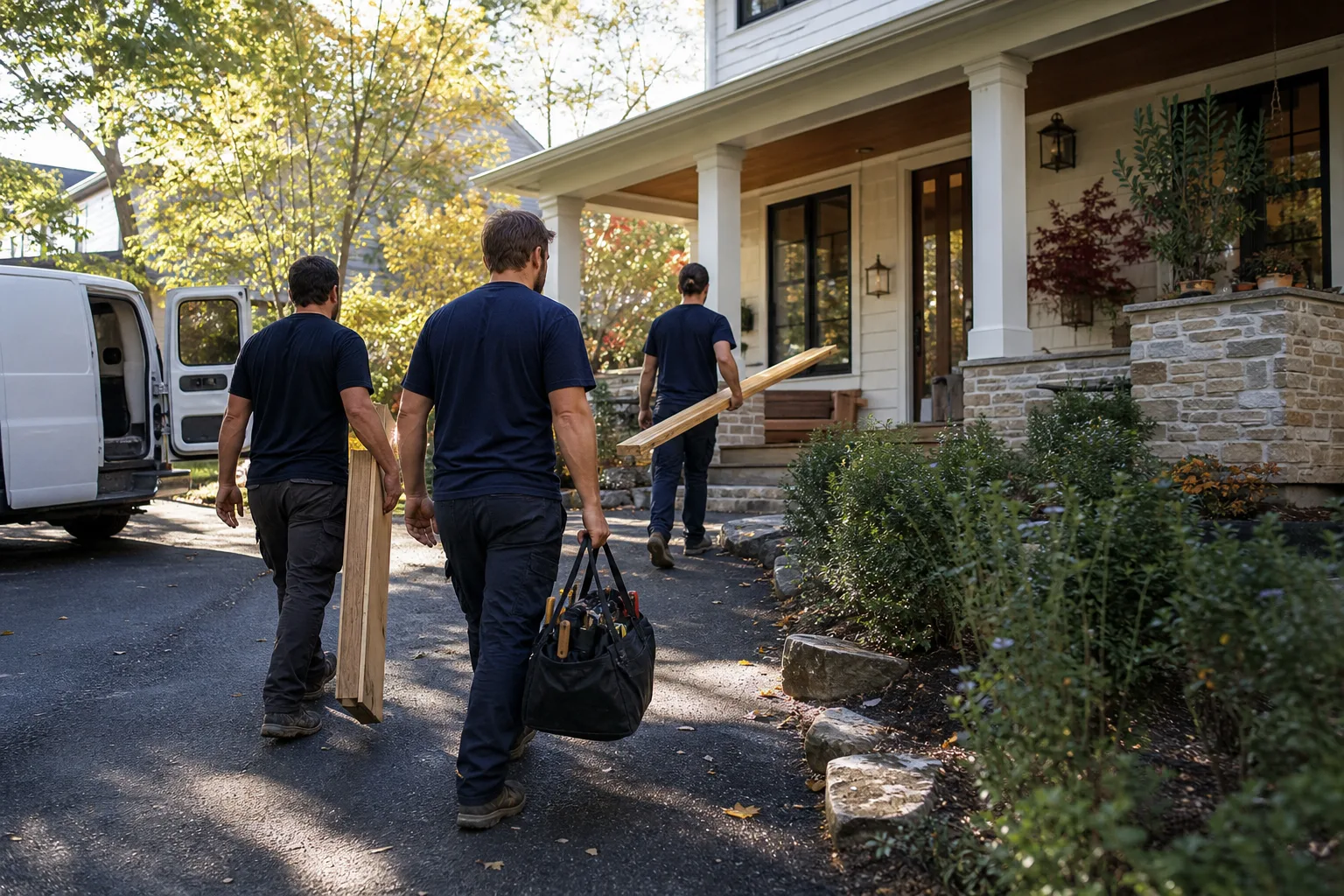
Where DIY goes wrong is the footing. Resetting a paver fence post properly means digging below Tampa’s sandy root zone, pouring a concrete pad, letting it cure, and then re-laying the base course so the panel channels line up perfectly on the new post. If the channel is off by even a quarter inch, the panel binds, stresses the next post, and you’re back here in eighteen months. Safety matters too: fence panels and posts are heavy, and a toppling post section can cause serious injury. We send background-checked, uniformed technicians who do this work weekly and we carry the materials from the street to the fence line without dragging a single block across your lawn.
If you want a written price and a crew that leaves the yard cleaner than they found it, call (850) 779-4017.
FAQs
A properly installed Cambridge Pavers fence on a concrete footing in Tampa will last 25 – 40 years, though the cap adhesive typically needs attention every 8 – 12 years due to Florida’s sun and rain cycles. Poor drainage under the base course is what cuts that lifespan short, not the block itself. Call (850) 779-4017 if you’d like us to inspect the drainage path before you commit to any repair.
Yes, if the posts are structurally sound and the issue is isolated to one section, we can reset the footing and re-seat the panels without replacing the entire fence. We’ll quote the repair as a standalone line item so you see exactly what’s included. Call (850) 779-4017 and we’ll give you a written number before any work starts.
A typical Cambridge Pavers fence installation in Tampa takes 3 – 7 working days, depending on length, post count, and whether we’re removing an old fence and hauling it away. We’ll give you the exact schedule in writing with the estimate.
We keep common Pisa and Pisa II posts, cap stones, and adhesive on hand, and we can source any Cambridge Pavers fence component within a week through our Florida suppliers. For the non-paver parts we install in the same house, we work with KraftMaid, Cambria, and Silestone products, so if your fence project turns into an outdoor kitchen or patio upgrade, one crew can handle the full scope with named-brand materials.
Written by Graham Stein, Owner, Elmstead Remodeling Tampa at Elmstead Remodeling Tampa, serving Tampa and nearby areas.