


Free written scope consultation - allowances, timeline, and change-order rules on paper before a single trade is scheduled
American Standard Fence Installation: The Tampa Owner’s Guide
American Standard fence installation in Tampa typically runs between $3,500 and $9,000 for a complete property line enclosure, with most residential jobs landing around $5,500 for a standard lot using American Standard vinyl or aluminum-compatible paneling and posts. We stock the common American Standard rail brackets, post caps, and panel clips on our trucks, so a failed section is usually matched and replaced the same visit. Most Tampa homeowners discover the problem after a summer storm: a gate that won’t latch cleanly, a bottom rail that’s started to sag, or a post that’s leaning just enough to notice against the fence line.
Which American Standard Models This Applies To
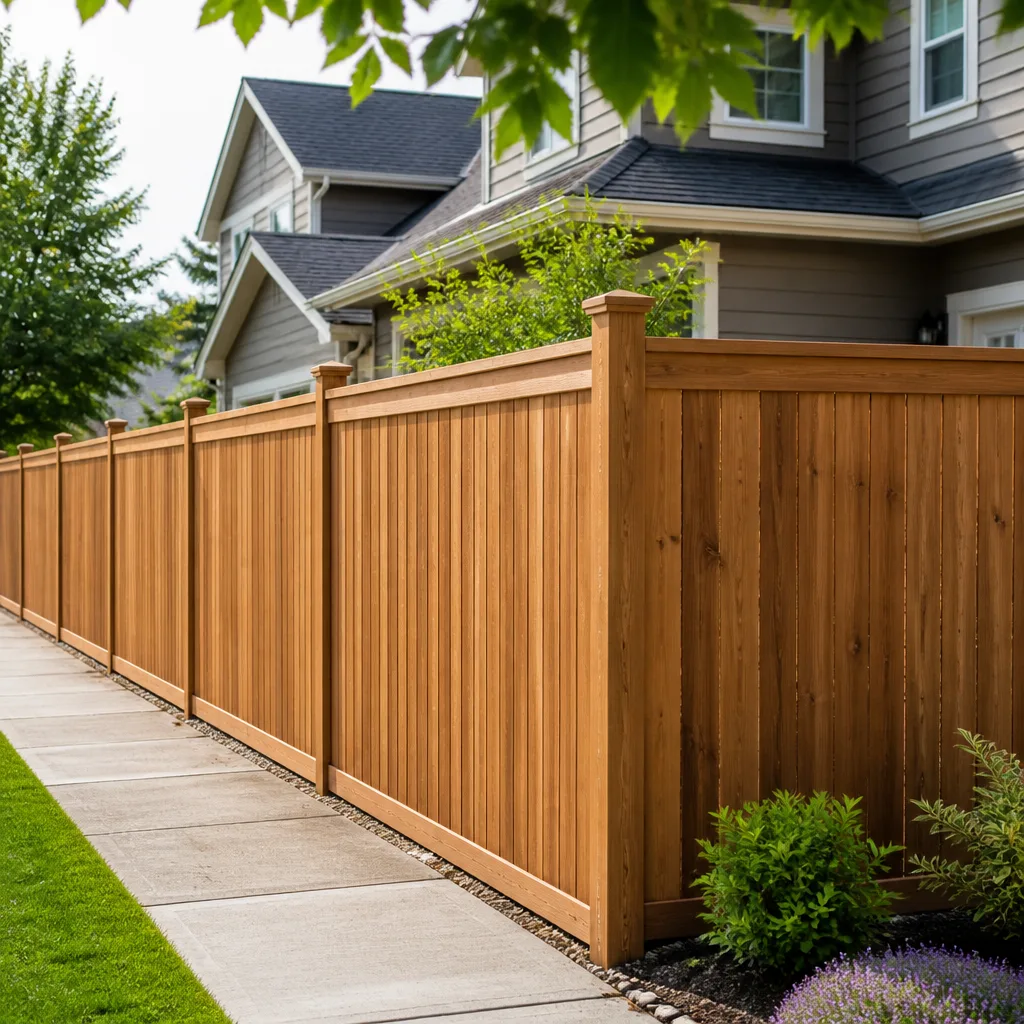
American Standard’s fencing line covers three main series: the Classic vinyl privacy panel, the Heritage aluminum picket, and the Boulevard semi-privacy composite. The part you need depends on which series is already in your yard, and the fastest way to tell is the rail bracket. Classic panels use a flat, square bracket with two screws per side. Heritage aluminum brackets are narrower with a single center screw. Boulevard composite rails slide into a hidden channel, no visible bracket at all. If you’re not sure which one you have, snap a photo of the bracket and the panel edge, and we’ll identify it from the truck.
The OEM-versus-aftermarket question matters here more than with other brands. American Standard’s vinyl formula is thicker at the tongue where panels seat into the post route, about 0.14 inches on Classic versus 0.10 on generic aftermarket panels. Paying for the genuine article keeps the panel seated in a Tampa wind event. Some aftermarket aluminum pickets work fine for straight runs but the corner posts need the OEM flange to hold the Heritage angle tight. Graham Stein notes that in the older Seminole Heights neighborhoods, where lots are narrower and fences sit closer to the house, he’s pulled more than a few aftermarket corner posts that cracked at the flange after a few seasons because the post footings shifted in sandy soil. The OEM flange has a wider weld bead and holds the angle under that movement.
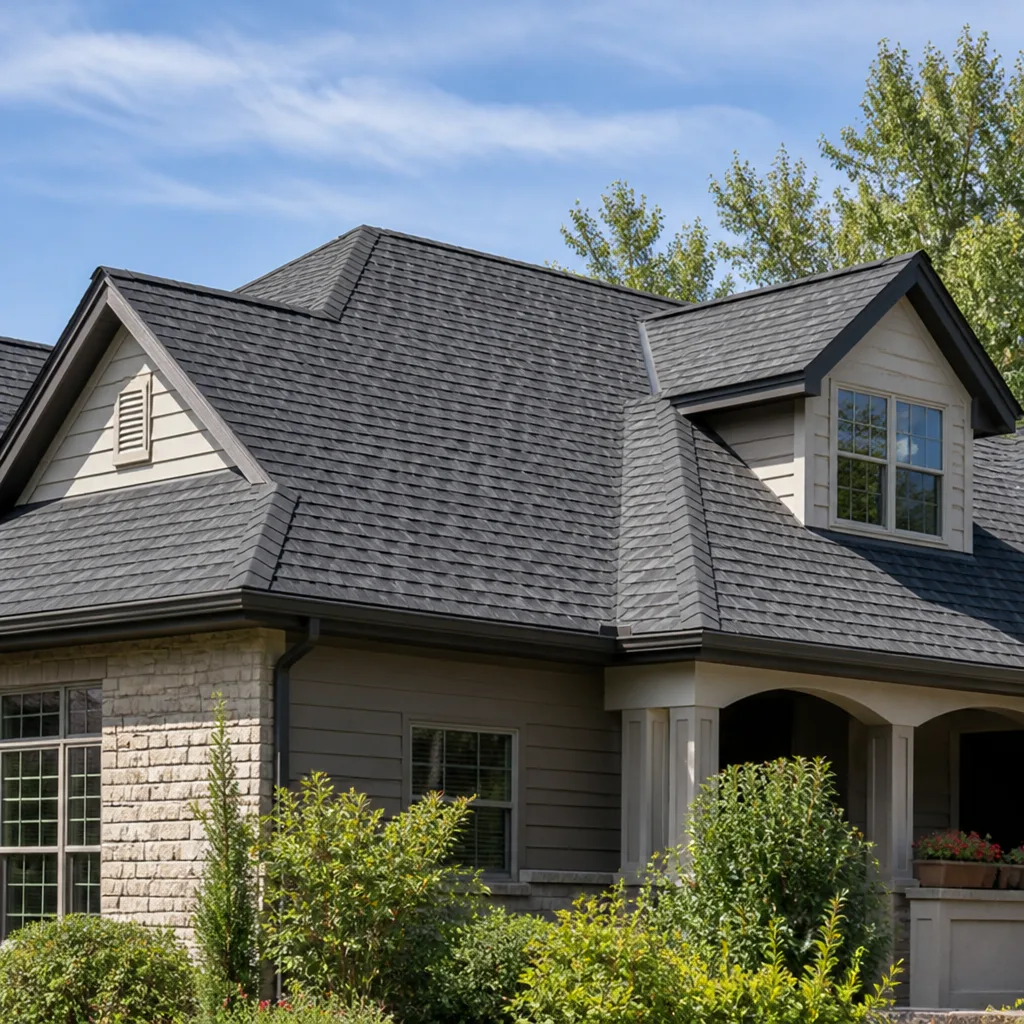
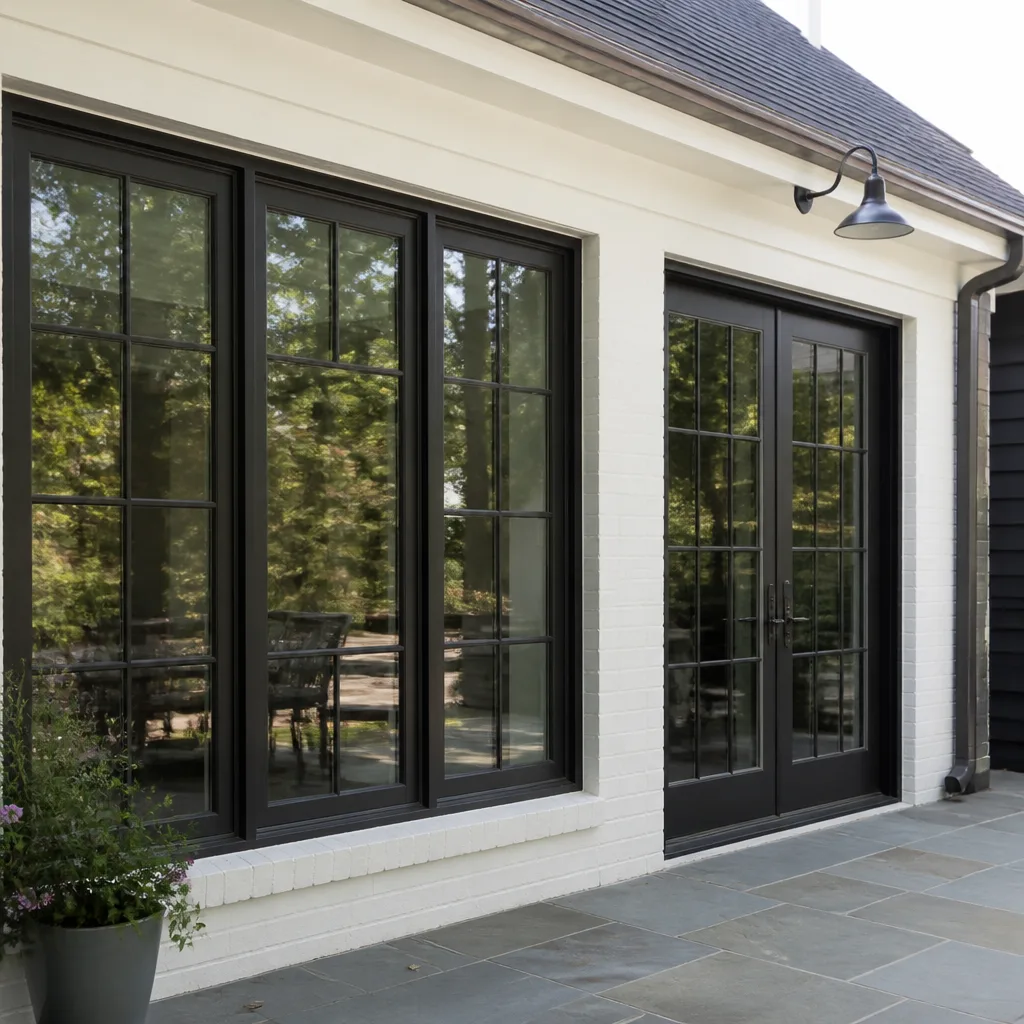
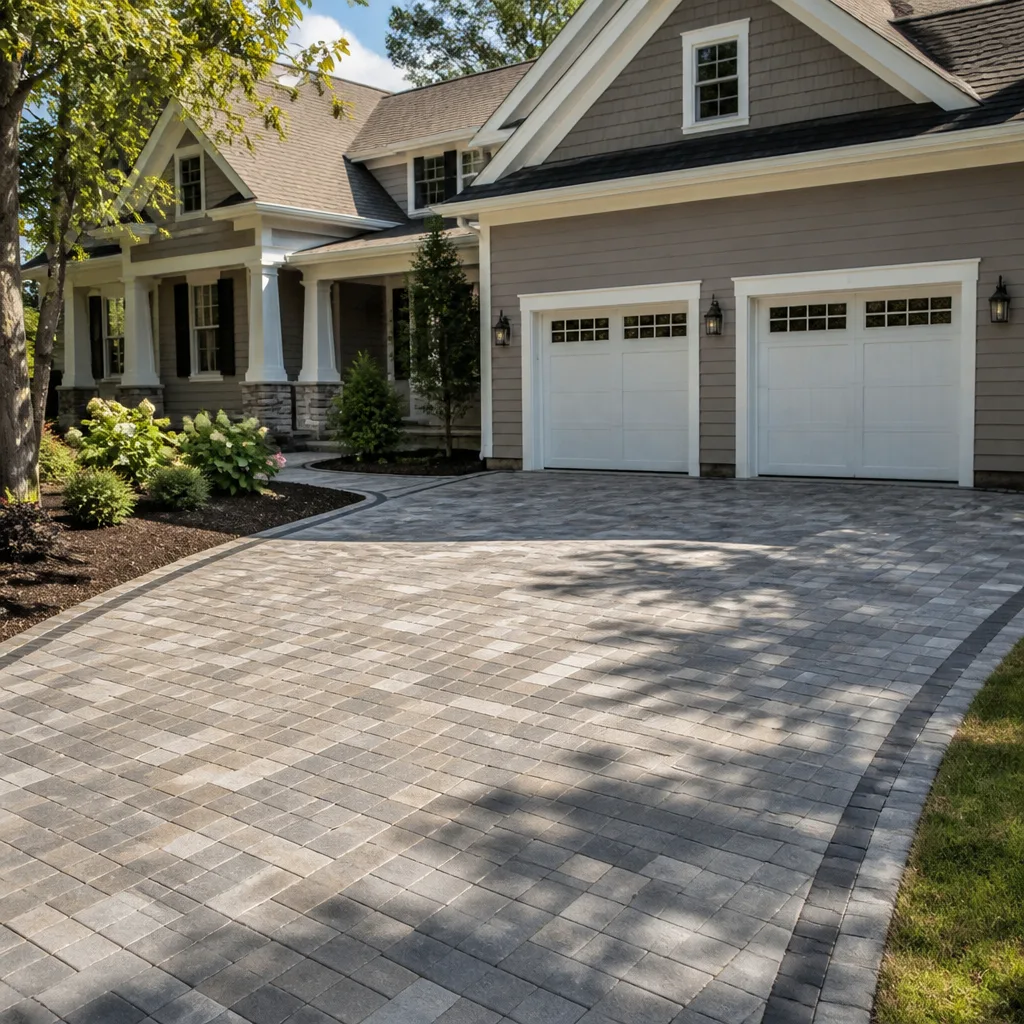
Styles & brands we work with
Signs Your American Standard Fence Installation Is Failing
- Gate dragging or not latching: This is almost always a hinge-side post that’s settled out of plumb. In Tampa, the sandy loam under many yards lets a post move slowly after heavy rain. The gate itself is usually fine. We reset the post, repack the footing, and re-hang the gate level.
- Bottom rail bowing between posts: This shows the panel route at the post has worn or cracked. Water sits in the bottom rail channel after rain, and when it heats up in a Tampa August, the vinyl expands and pushes against the post route. A small crack is easy to catch early; a bow means the panel’s been flexing for a while.
- Panel vibrating loudly in wind: If you hear a rattle during storms, the panel clips or brackets have loosened. The clips that hold American Standard panels to the rails are steel with a rubber seat. Once the rubber hardens from sun exposure, the metal clip rattles against the rail. It’s a quick fix: new clips, re-seated panels.
- Post wobble with no visible crack: The post itself may be intact but the concrete collar in the ground has cracked or separated. Tampa’s wet-dry cycles in the spring are hard on shallow collars. We dig the collar, inspect the post depth, and pour a new one at the proper 24-inch minimum for our freeze line (we don’t get much frost, but the depth matters for wind load).
- Discoloration that won’t wash off: That chalky white film isn’t surface dirt. It’s oxidation on the vinyl’s top layer from UV exposure. It doesn’t affect structural integrity, but it tells you the panel has been in place a while and was probably an early-run formula. We can match newer panels, but the color won’t be exact against aged sections, so we’ll talk through your options before writing anything.
See the difference
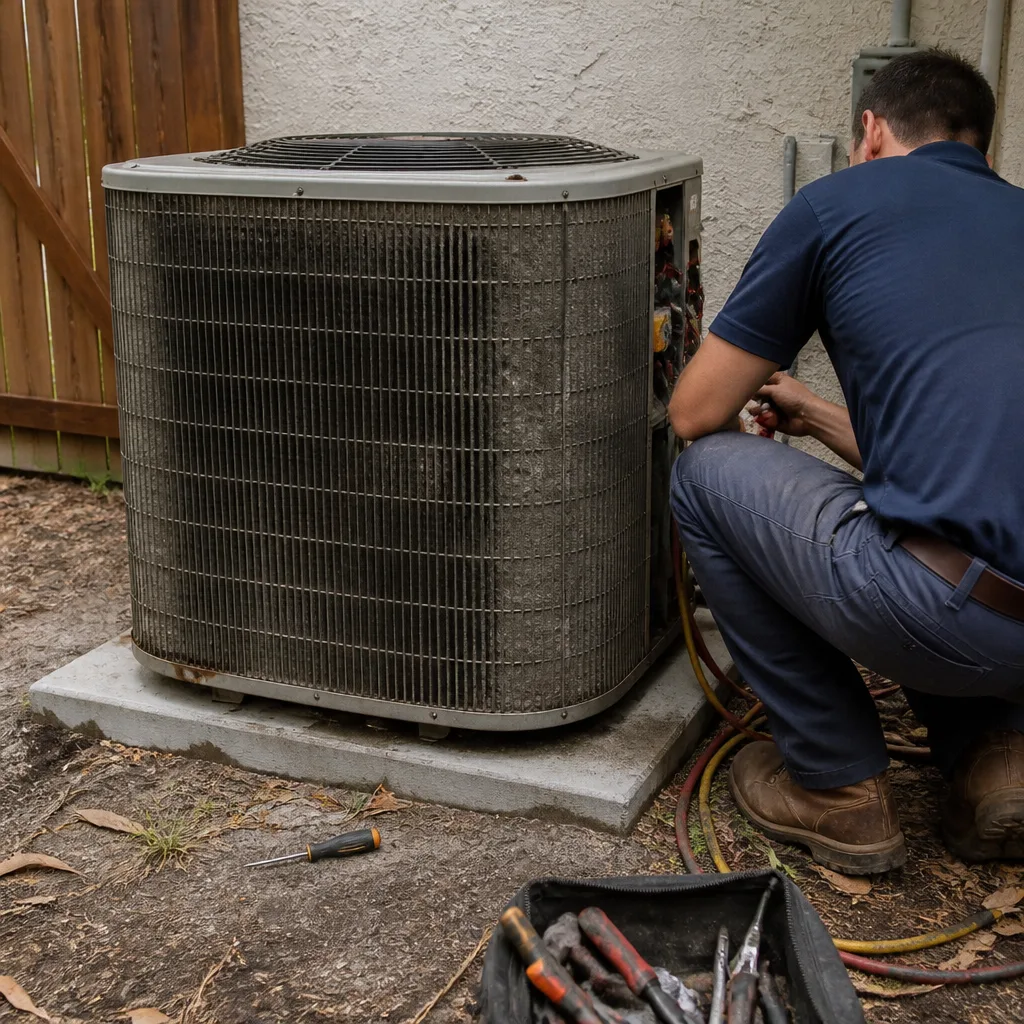 Before
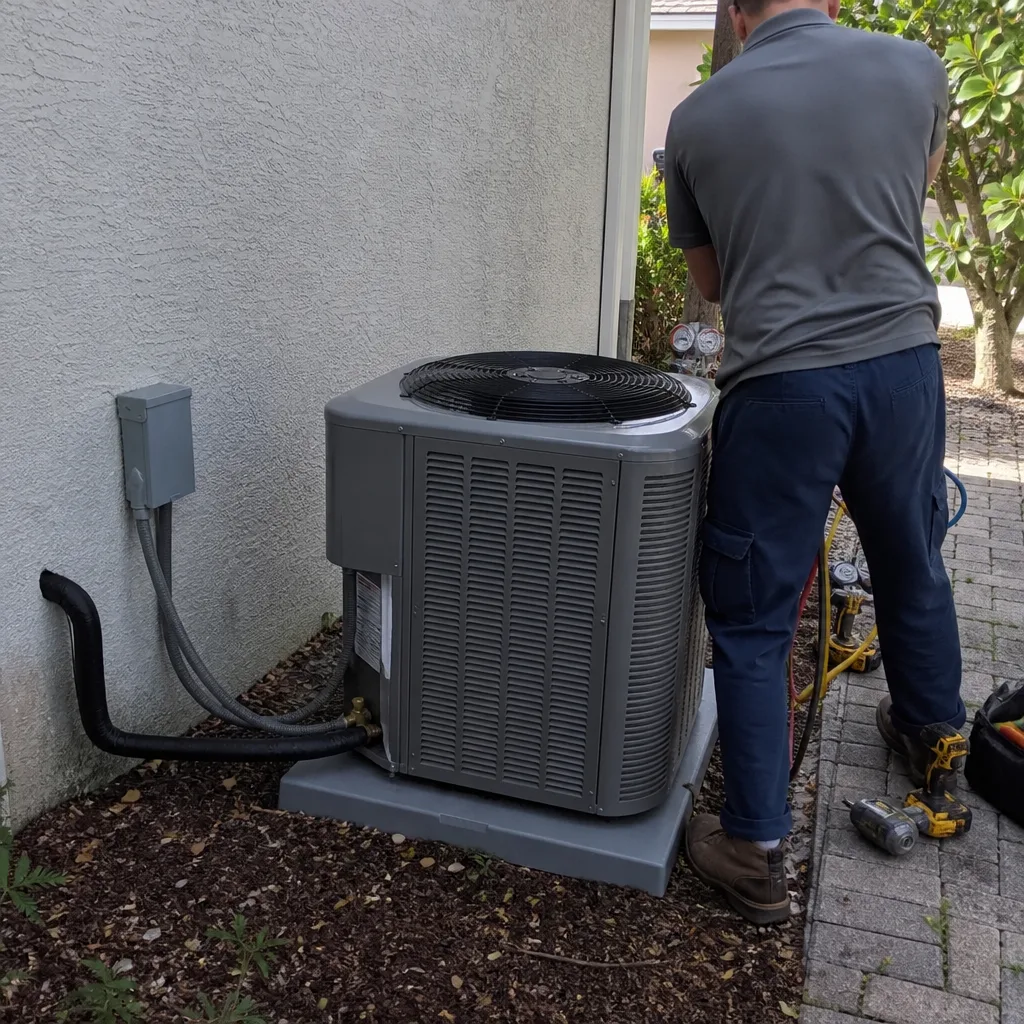 After
After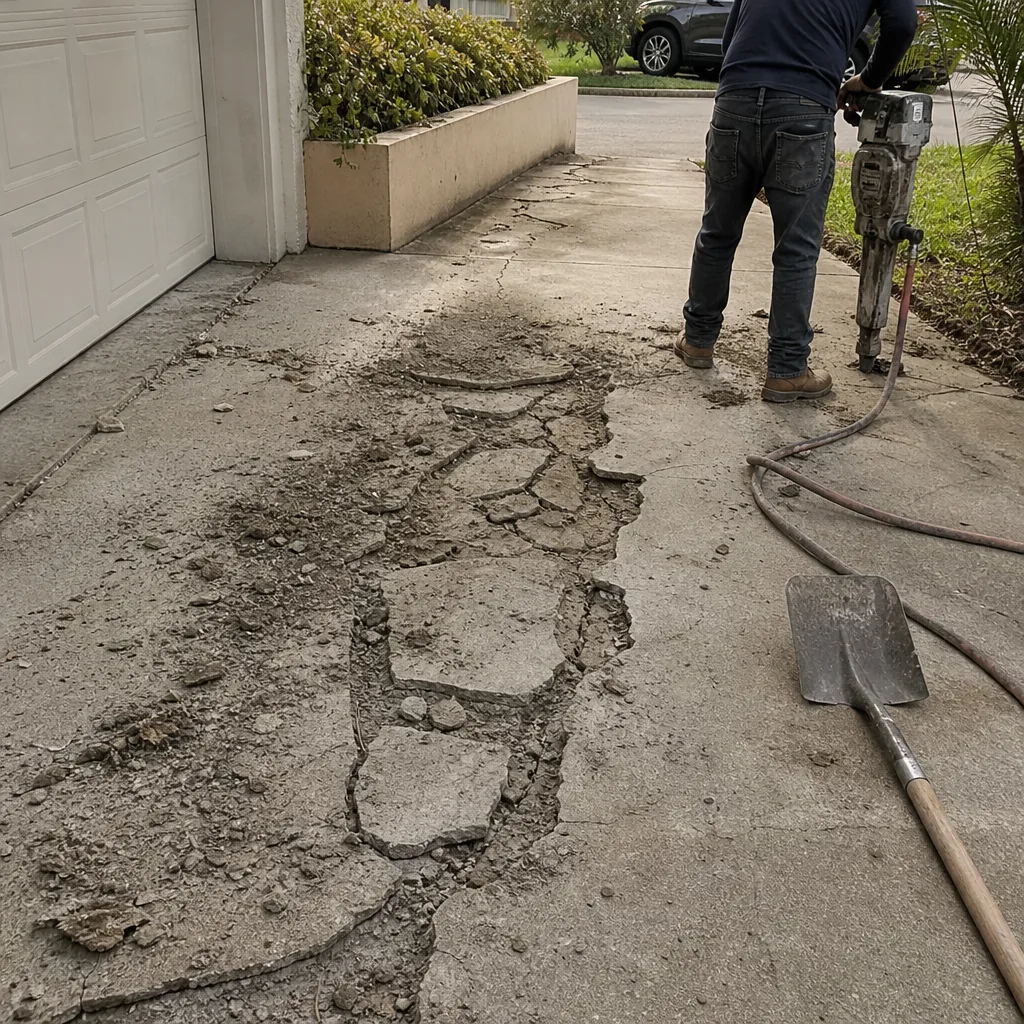 Before
 After
After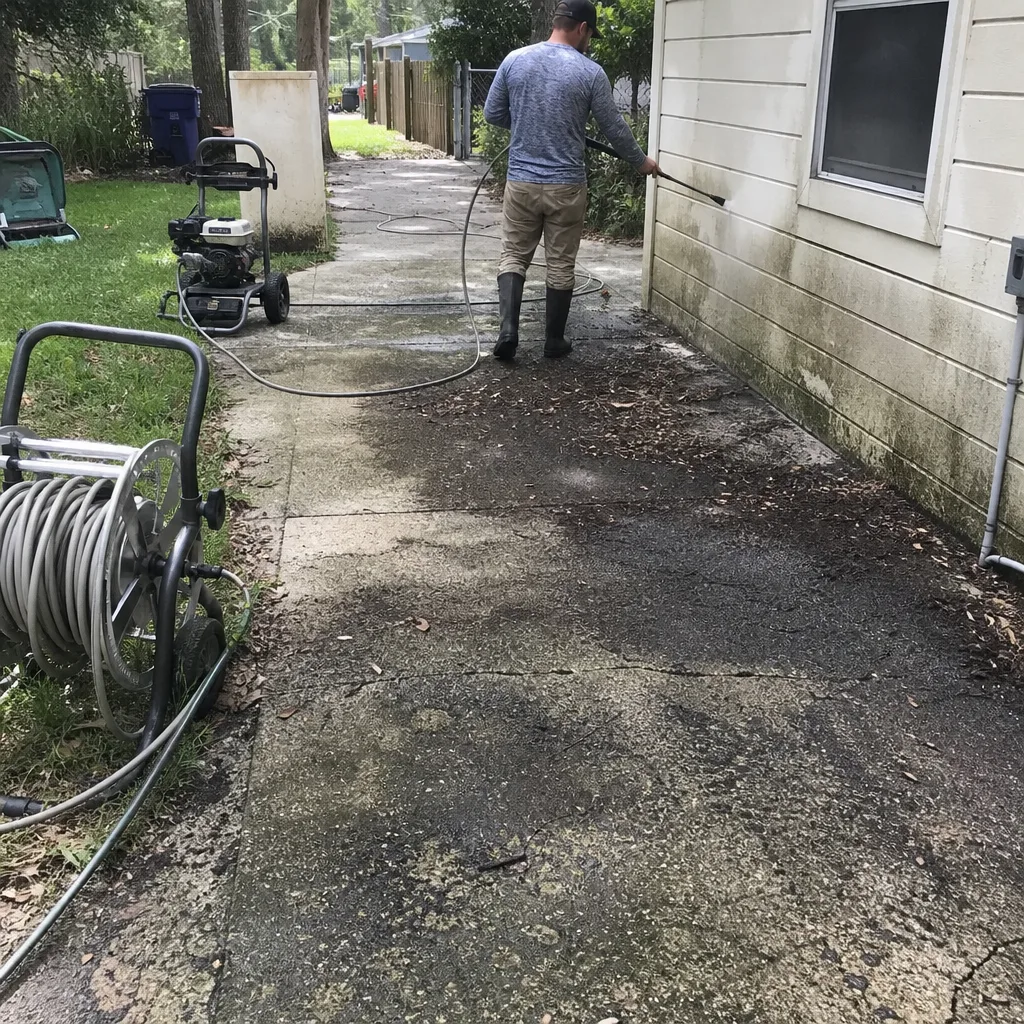 Before
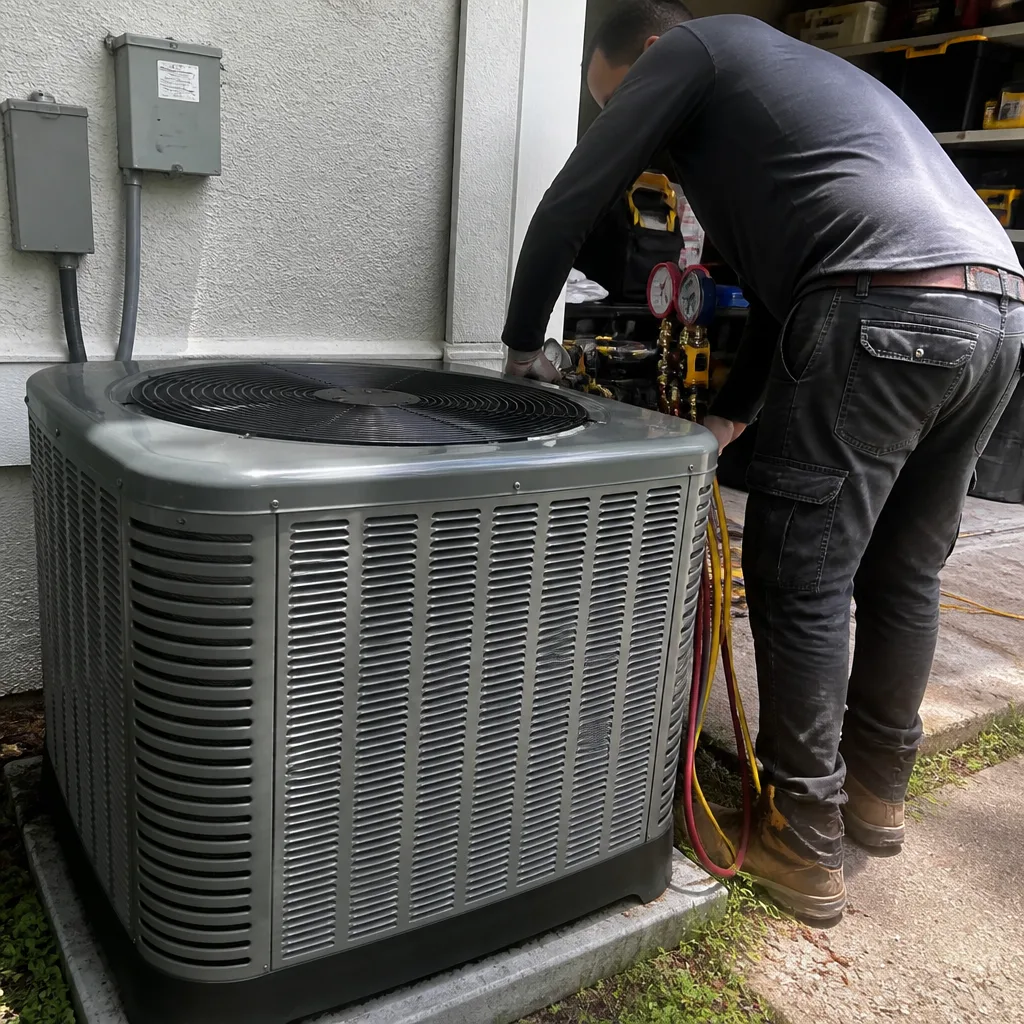 After
AfterReplacement Cost & What’s Included
For a full American Standard fence replacement in Tampa, you’re looking at roughly $3,500 to $9,000 installed, depending on linear feet, panel style, gate count, and what’s under the soil. A basic Classic vinyl privacy fence around a standard 150-foot rear line runs about $4,500 to $6,000. Switching to Heritage aluminum runs a bit higher; it’s less material by volume but the pickets and brackets are more expensive per foot. Boulevard composite is the top of the range because the hidden-channel panels are more labor to route and set. The biggest cost drivers are gate hardware (a proper American Standard gate kit with the reinforced hinge post and anti-sag brace is a few hundred dollars per gate) and what we find when we dig: roots, old concrete, or irrigation lines all add time. Every quote we write for fence work includes tear-out of the old panels, new post footings, all American Standard-compatible hardware, gate re-hang with adjustment, and a full clean-up. The price we write before we start is the price you pay at the end. We don’t surprise a family with a change order because we hit a root.
DIY or Call Us?
What you can safely check yourself: tighten a loose hinge screw, clear debris from a gate track, and note which posts move when you push on them. That list saves time when we come out. What you shouldn’t do is pull a post and repour its footing. A fence post set in Tampa’s sandy soil at the wrong depth or with the wrong concrete mix will lean again inside a season, and a lean in one post puts pressure on the rails and panels on either side, so the problem spreads. We’ll bring the right mix for the soil, pack the collar correctly, and check the post plumb in both directions before it sets. If a section is down and the fence needs to close in quickly for a pet or a pool area, call (850) 779-4017 and we’ll get someone out.
FAQs
You can expect 15 to 20 years from American Standard vinyl or composite panels in Tampa’s sun and humidity, and 20 to 25 from the aluminum Heritage line. The hardware usually goes first, not the panels: clips, brackets, and gate hinges wear out around year 10. Call (850) 779-4017 if you’re at that age and hearing rattles.
Yes, often. A cracked bottom rail or a loose post route can usually be reinforced without replacing the whole panel line. If the vinyl is brittle or the post has failed at the base, replacement is the better call. We’ll show you what’s repairable and what’s not before you commit.
A standard rear-line fence replacement takes two to three days. That includes tear-out, digging new post holes, setting concrete, hanging panels, re-hanging gates, and cleaning up. We schedule around your family’s quiet hours, and the crew leaves the yard cleaner than they found it. Call (850) 779-4017 for a schedule estimate.
We stock the common Classic brackets, panel clips, post caps, and gate hardware on our trucks, so most repairs are done in one visit. For a full panel or a specific color match on older sections, we’ll order from the American Standard line and have it in hand within a week. Call (850) 779-4017 and tell us which series you have.
Written by Graham Stein, Owner, Elmstead Remodeling Tampa at Elmstead Remodeling Tampa, serving Tampa and nearby areas.