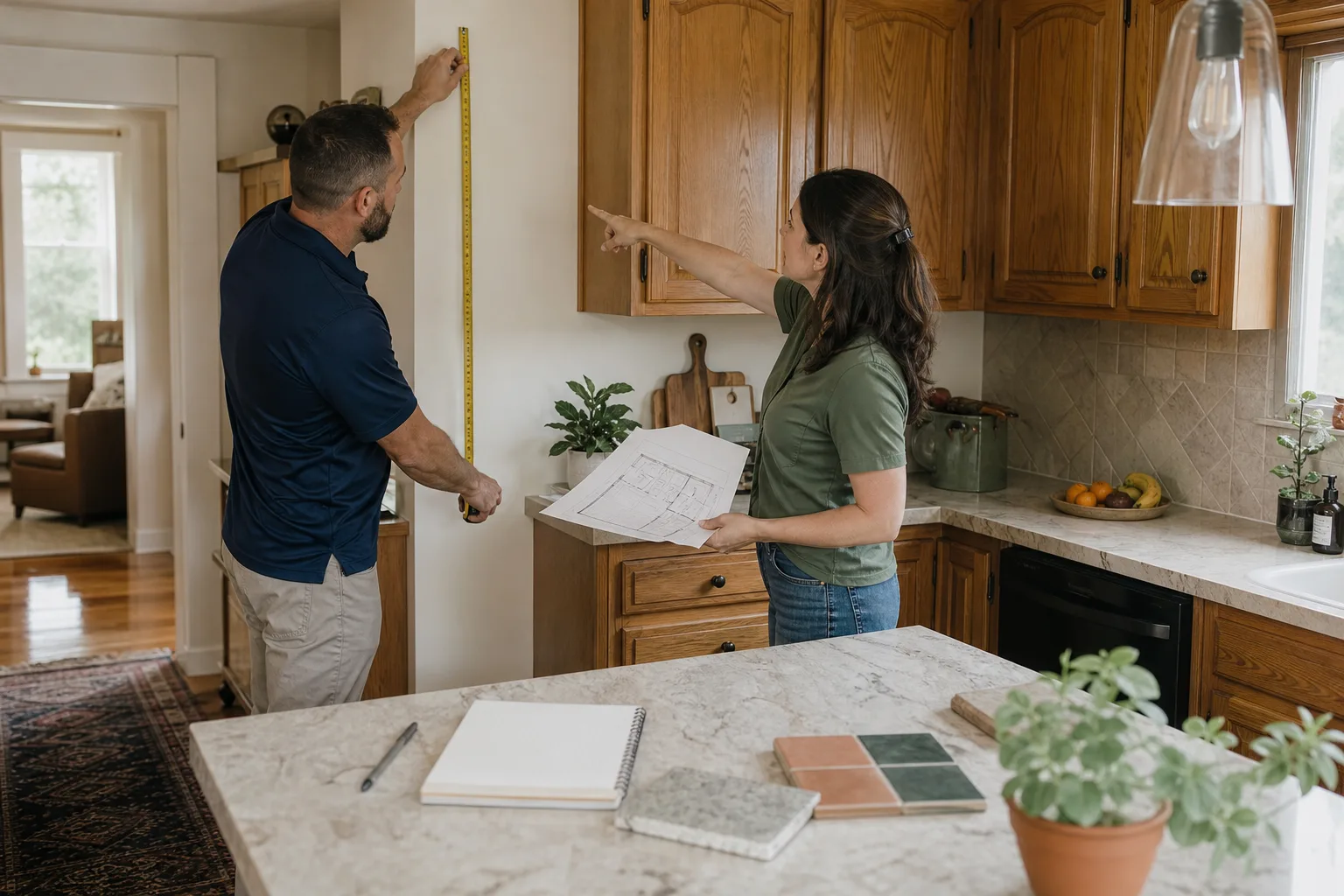

Free written scope consultation - allowances, timeline, and change-order rules on paper before a single trade is scheduled
James Hardie Kitchen Remodeling: The Tampa Owner’s Guide
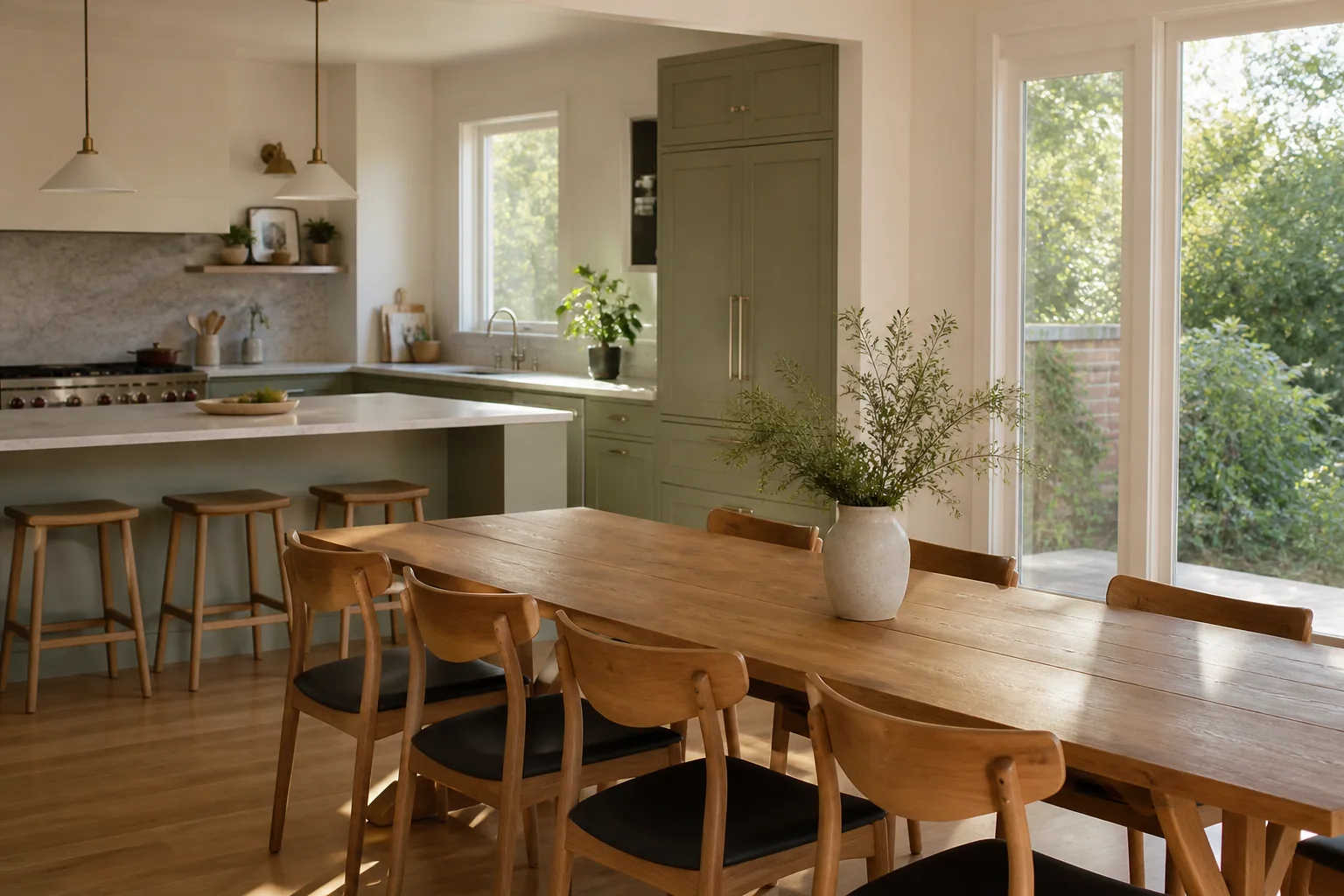
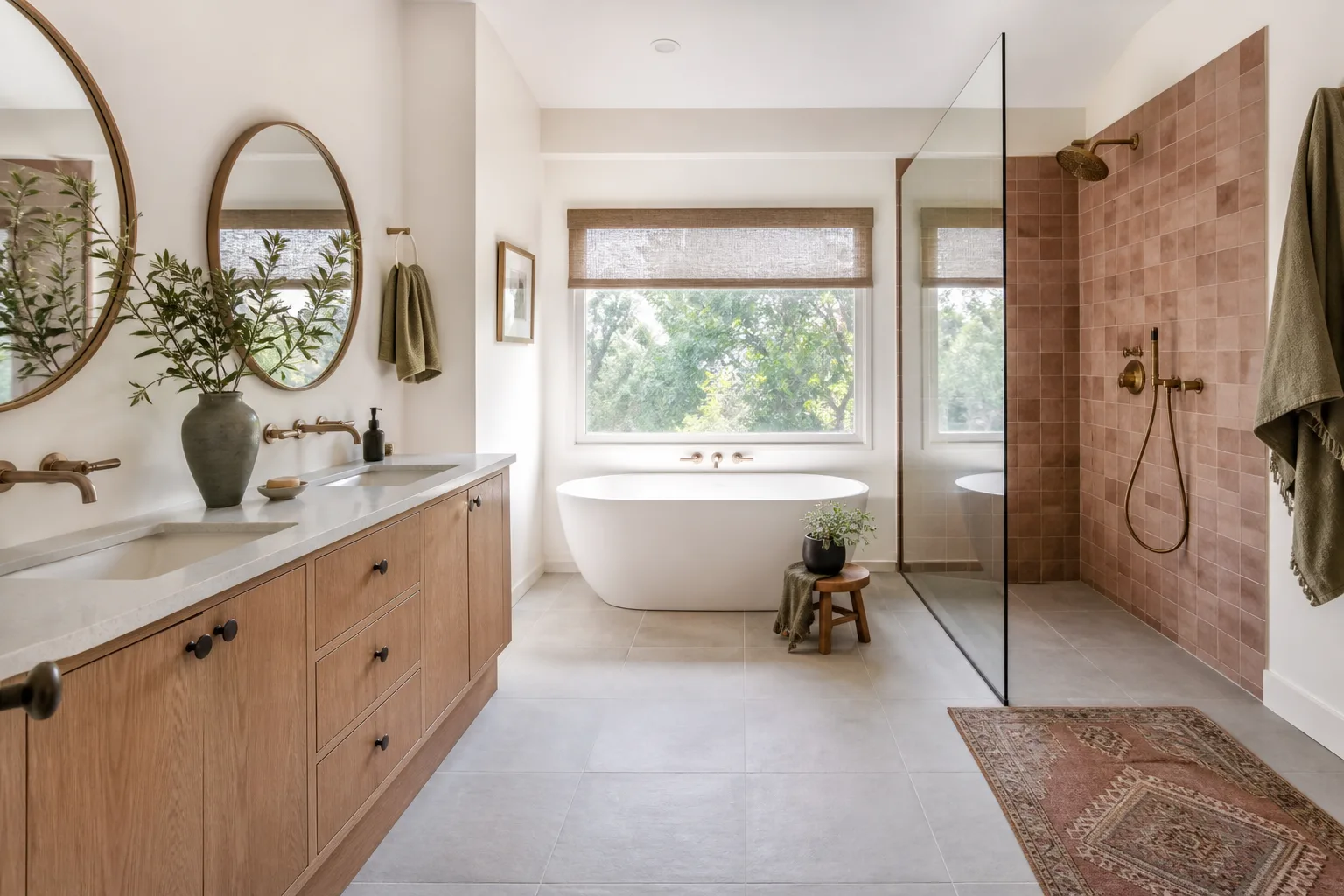
James Hardie kitchen remodeling in Tampa typically runs $14,000 – $45,000 installed, depending on whether you’re replacing cabinet runs, reworking the layout, or pulling siding back to reframe an exterior wall. We stock James Hardie HardieBacker board, HardiePanel, and trim in common Tampa sizes, and we can match your existing installation within a day or two of the estimate. Most Tampa homeowners call us after noticing the first stress crack at a corner seam or water staining where a cabinet meets an exterior wall, and that call usually starts with a question about whether the failed section can be patched or needs a full pull-and-replace.
What you’re dealing with depends entirely on which James Hardie product is in the room. HardieBacker cement board behind tile is a different failure pattern than HardiePanel siding on the outside of a kitchen bump-out, and HardieTrim around a window over the sink fails differently than either. We write the scope down before we start so nobody is guessing mid-project, and that includes naming the exact James Hardie product, thickness, and area being replaced.
Which James Hardie Models This Applies To
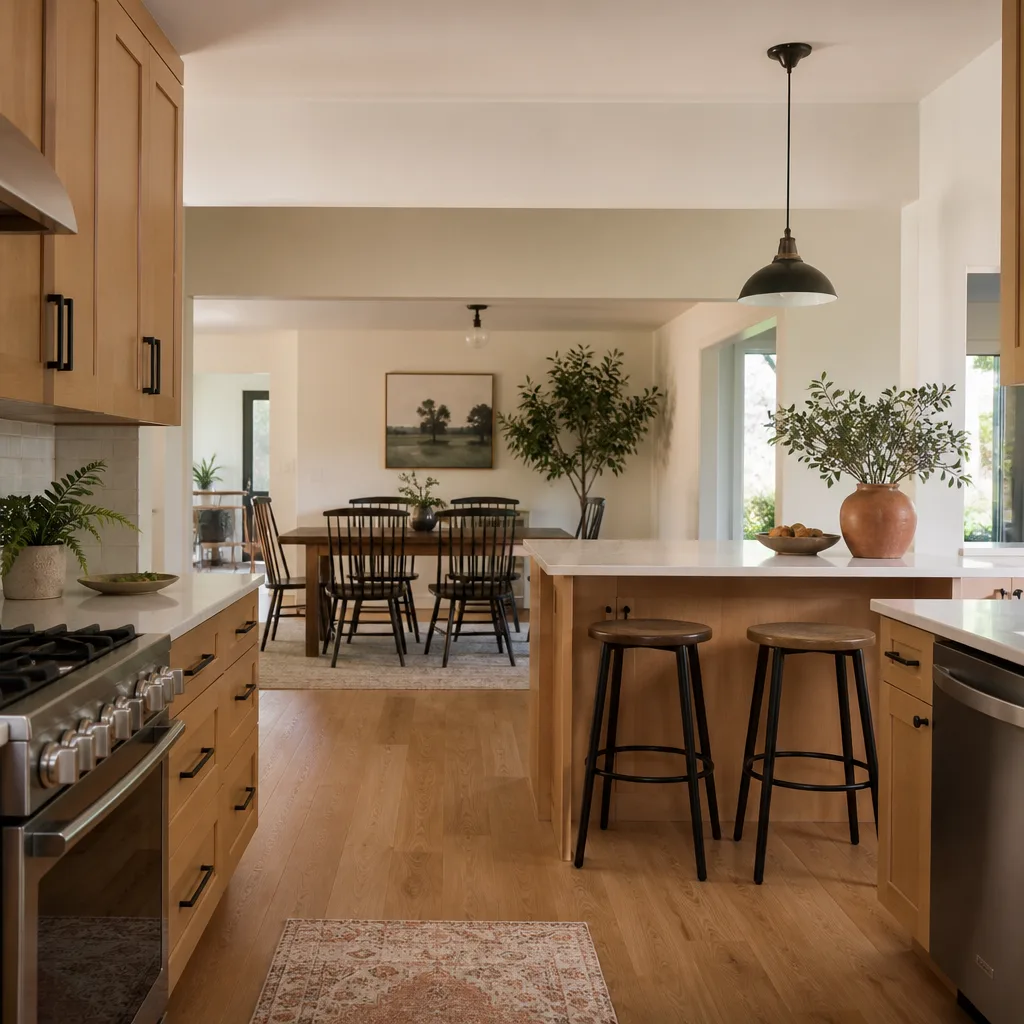
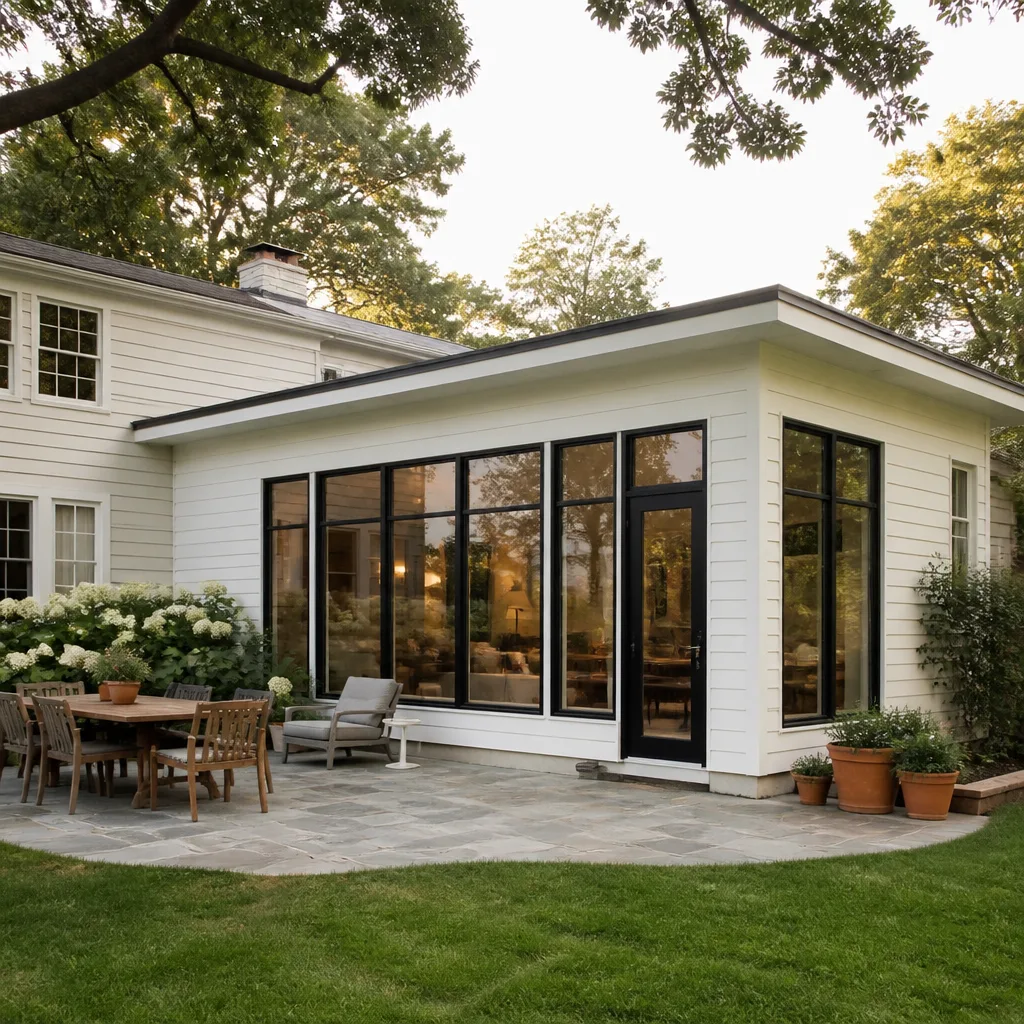
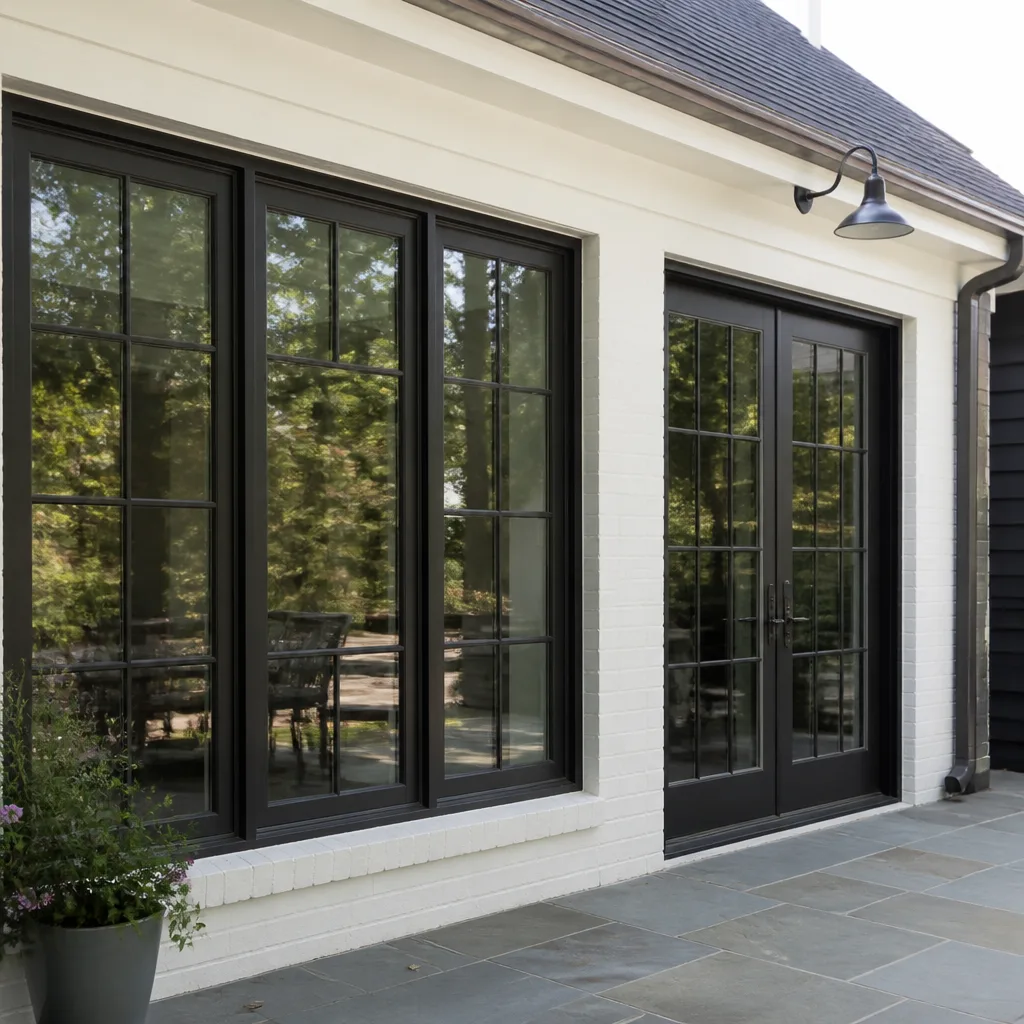
In Tampa kitchens, we work with three James Hardie product families. The first is HardieBacker cement board, the half-inch and quarter-inch boards used as tile backer on floors, countertop substrates, and wall areas around cooktops and sinks. The second is HardiePanel vertical siding, which appears on kitchen exterior walls, bump-outs, and garage conversions where a kitchen was extended. The third is HardieTrim boards, the fascia and corner trim pieces that frame windows, door openings, and the outside corners of kitchen additions.
Here’s the compatibility gotcha most Tampa homeowners don’t know: HardieBacker is not interchangeable between floor and wall applications. The quarter-inch board flexes and is meant for floor underlayment only. The half-inch board goes on walls and countertops. Using the wrong one is a common failure point we see in Semiole Heights bungalow renovations, where someone patched a wall with quarter-inch board and the grout lines started cracking within a year. The board label is printed in ink on the face, but once it’s installed and tiled over, you can’t read it, which is why we photograph every substrate before tile goes up.
James Hardie products are engineered for high humidity and heat cycles, and Tampa’s climate is exactly what they’re rated for. The failure we see most often is not the product giving out on its own, it’s the installation detail around it: seam tape skipped on HardieBacker joints, no gap left at the bottom of a wall board where slab moisture wicks up, or HardieTrim nailed too close to the edge and splitting along the fastener line. OEM James Hardie material is usually the right call for a true match; we use quality aftermarket equivalents for sealants and seam tape when the family has a preference for a specific brand, but the board itself stays James Hardie where James Hardie was specified.
Styles & brands we work with
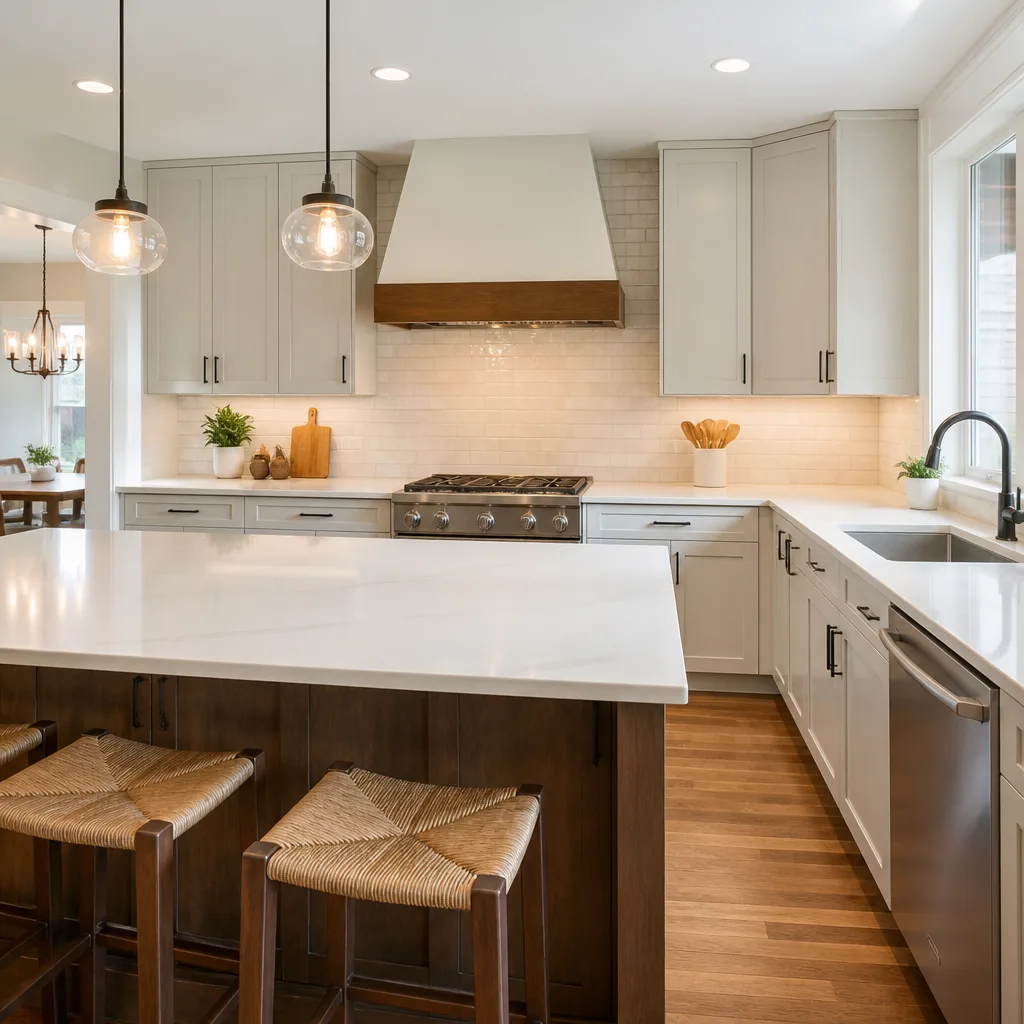
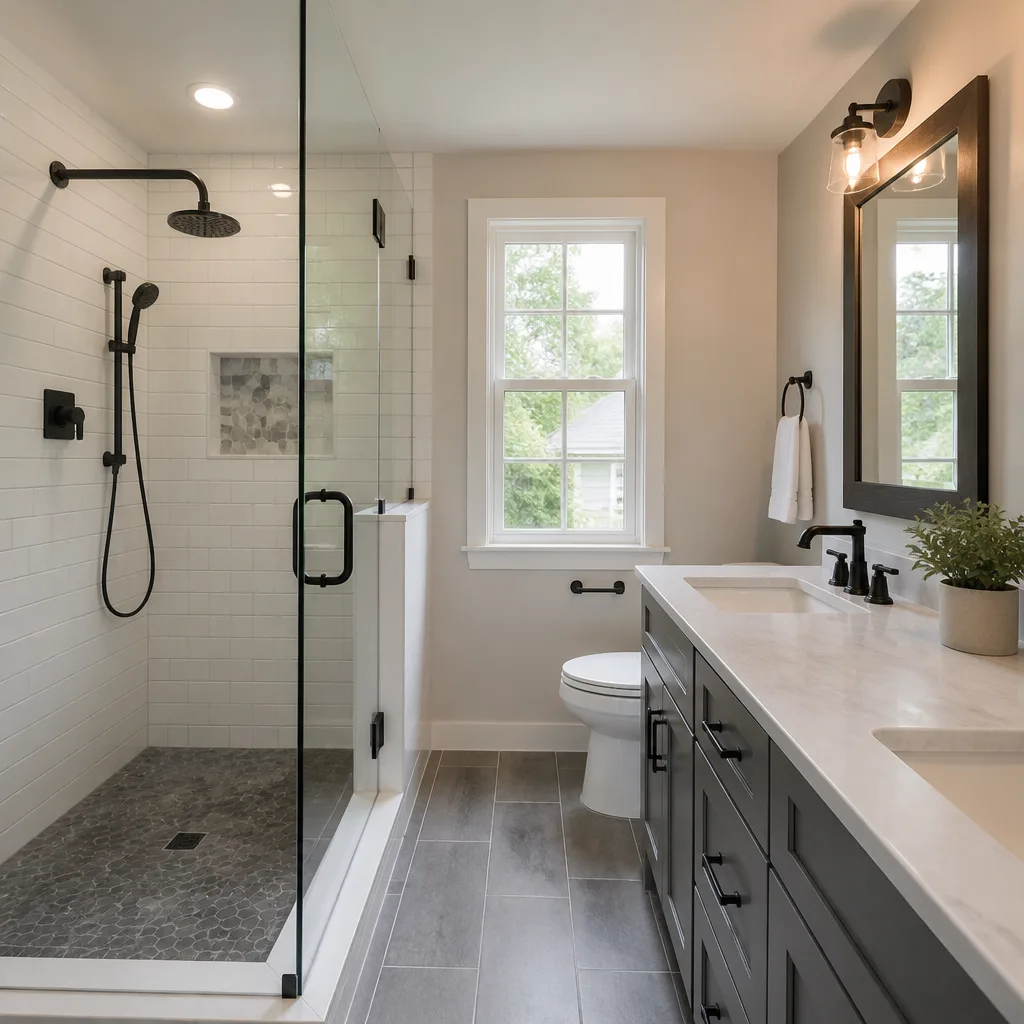
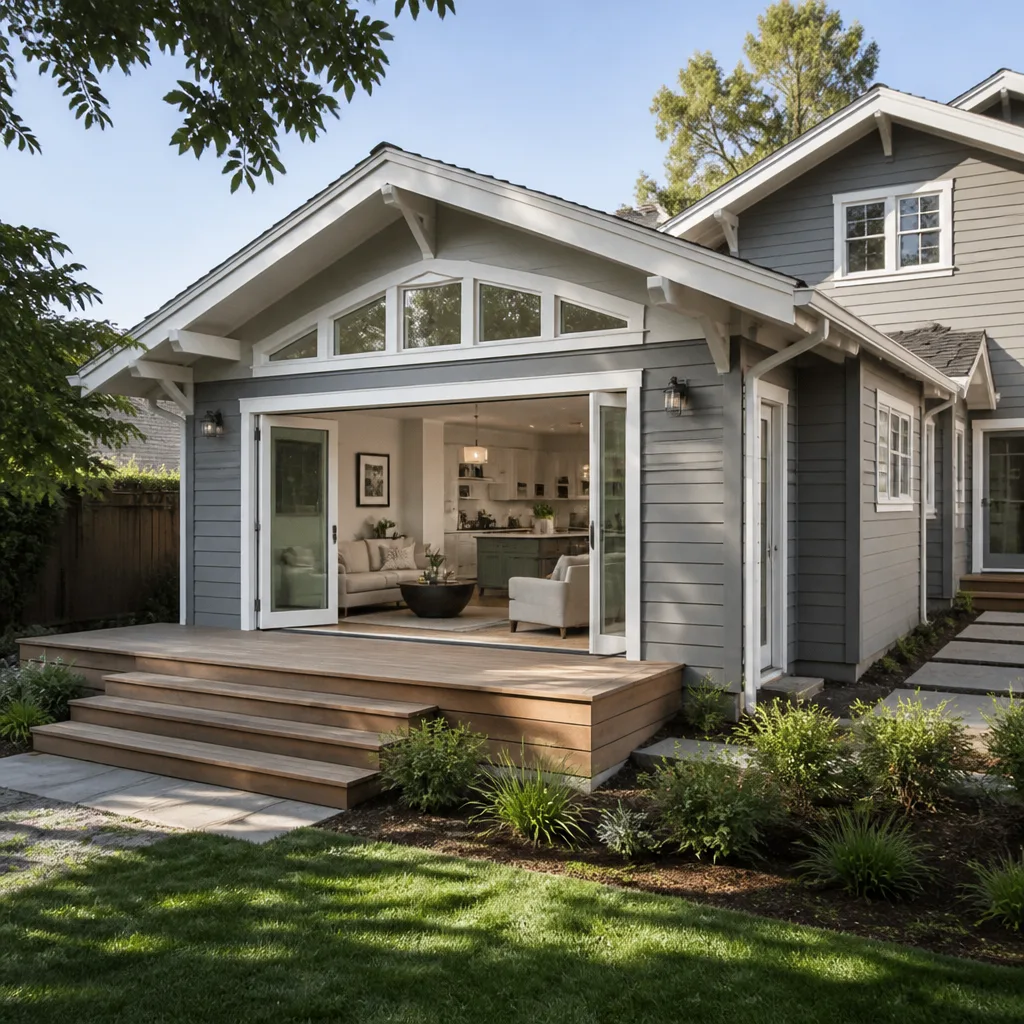
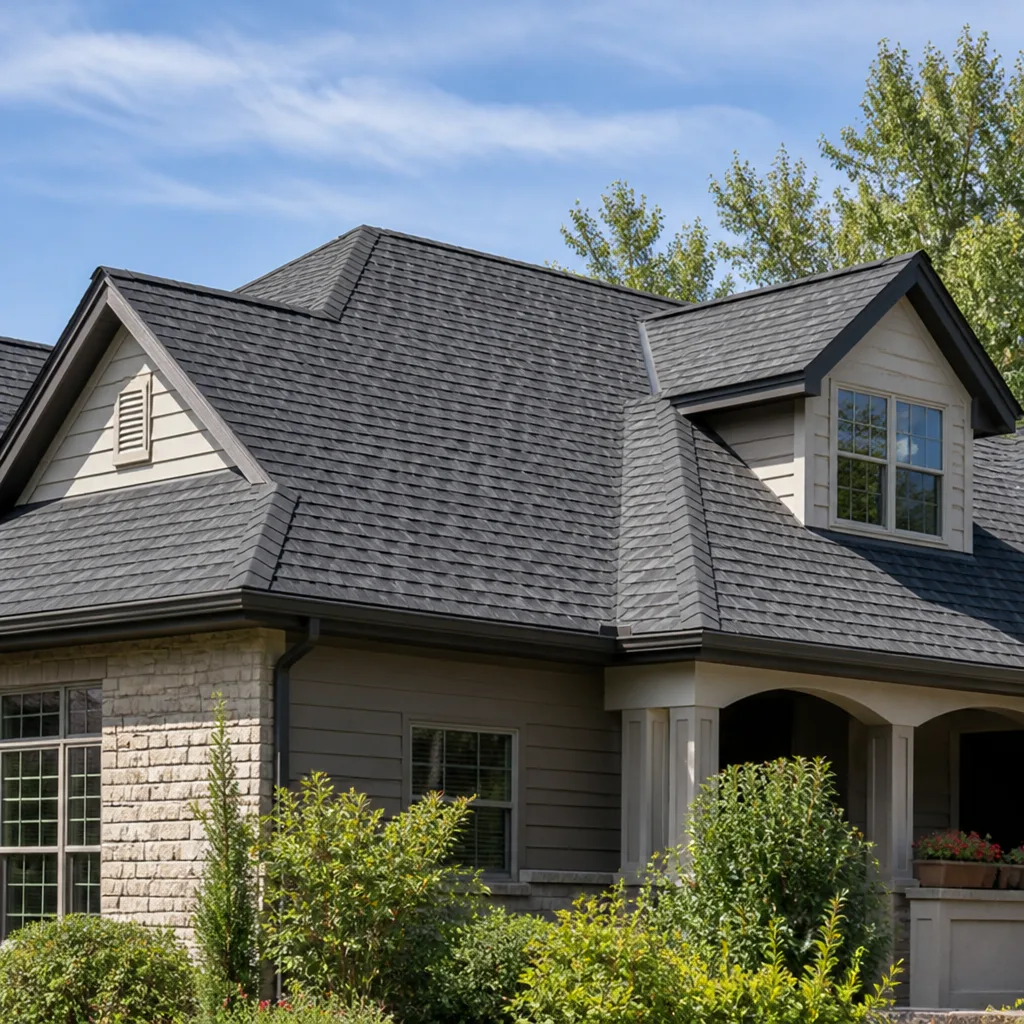
Signs Your James Hardie Kitchen Remodeling Is Failing
- Hairline cracks running through grout lines – this usually means the HardieBacker seams underneath were not taped and thinset properly, so movement transfers straight through to the tile surface. You’ll see it first at inside corners and around the sink cutout.
- Soft or swollen baseboard trim near the floor – HardieTrim wicking moisture from slab contact or from repeated mop water. The board doesn’t rot like wood, but it can delaminate and pull away from the wall if it was installed without the proper bottom gap.
- Tile popping or sounding hollow when tapped – the substrate was installed over an uneven floor without enough thinset coverage, and the voids are finally letting go. In a Tampa kitchen with slab floors, this often traces back to no self-leveler being used before the HardieBacker went down.
- Stains spreading on an exterior kitchen wall – water is getting behind HardiePanel at a poorly flashed window or a failed joint above the counter line, and it’s traveling inside the wall cavity before showing itself on the interior paint.
- Caulk pulling away at the countertop-to-backsplash joint – the countertop substrate is flexing, which in turn means the HardieBacker below it wasn’t screwed on the proper grid spacing. The caulk fails within a season even after it’s re-done.
None of these are panic-level failures, but they all get worse the longer they sit. Tampa’s humid season means a small water intrusion in May becomes mold by August.
See the difference
 Before
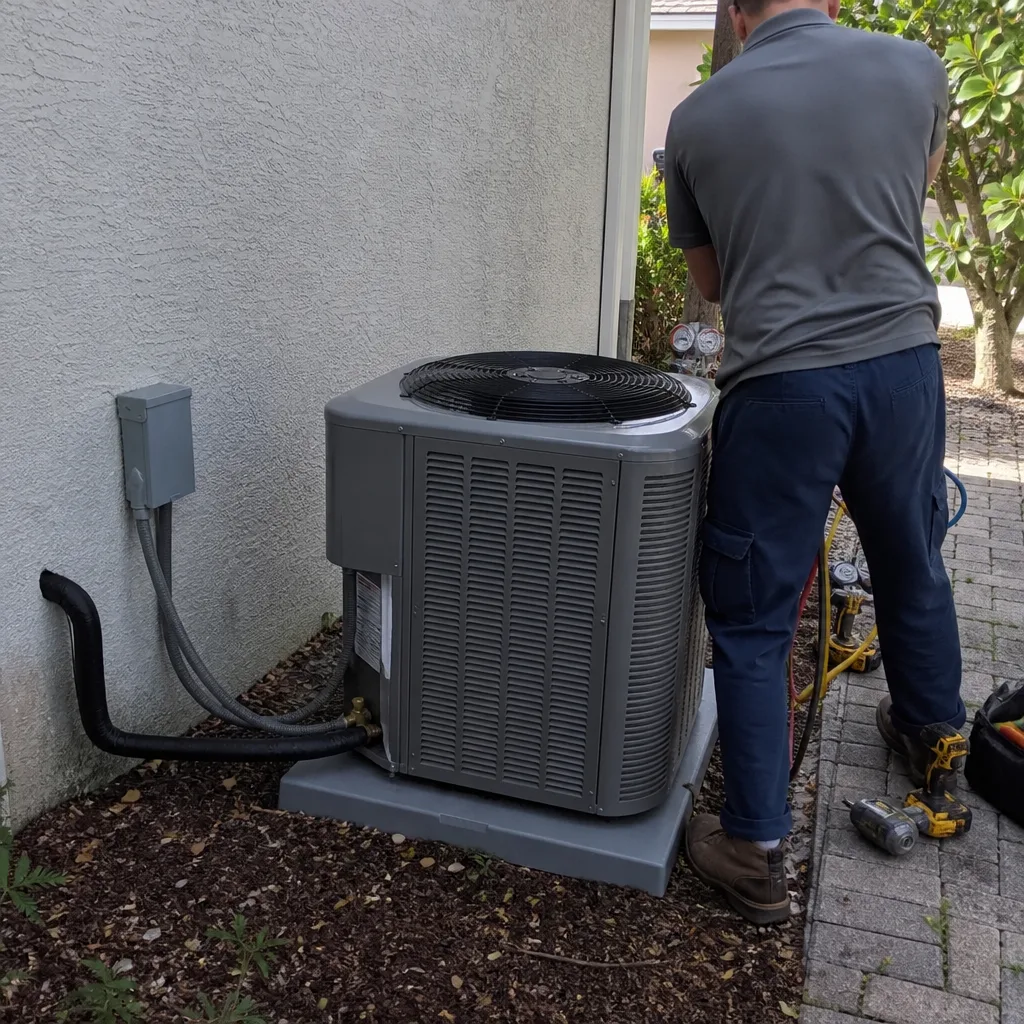 After
After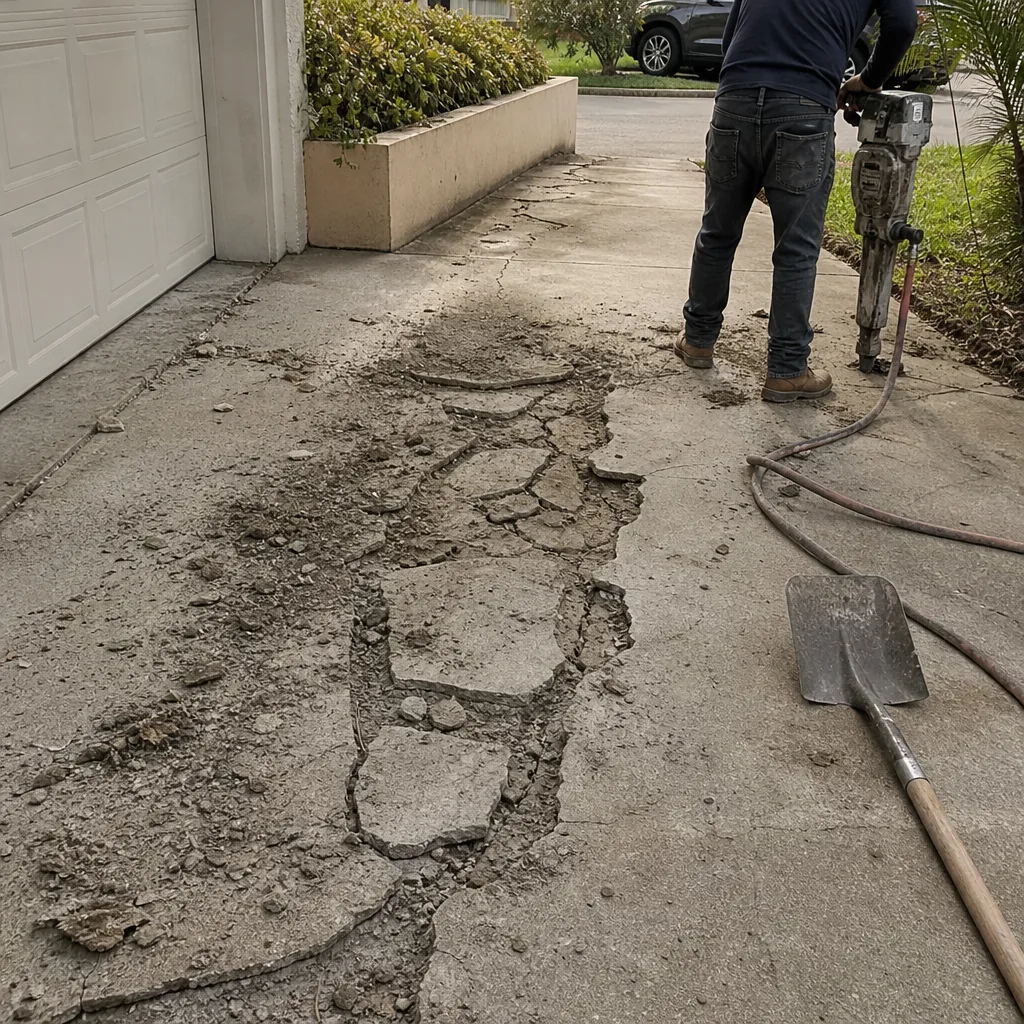 Before
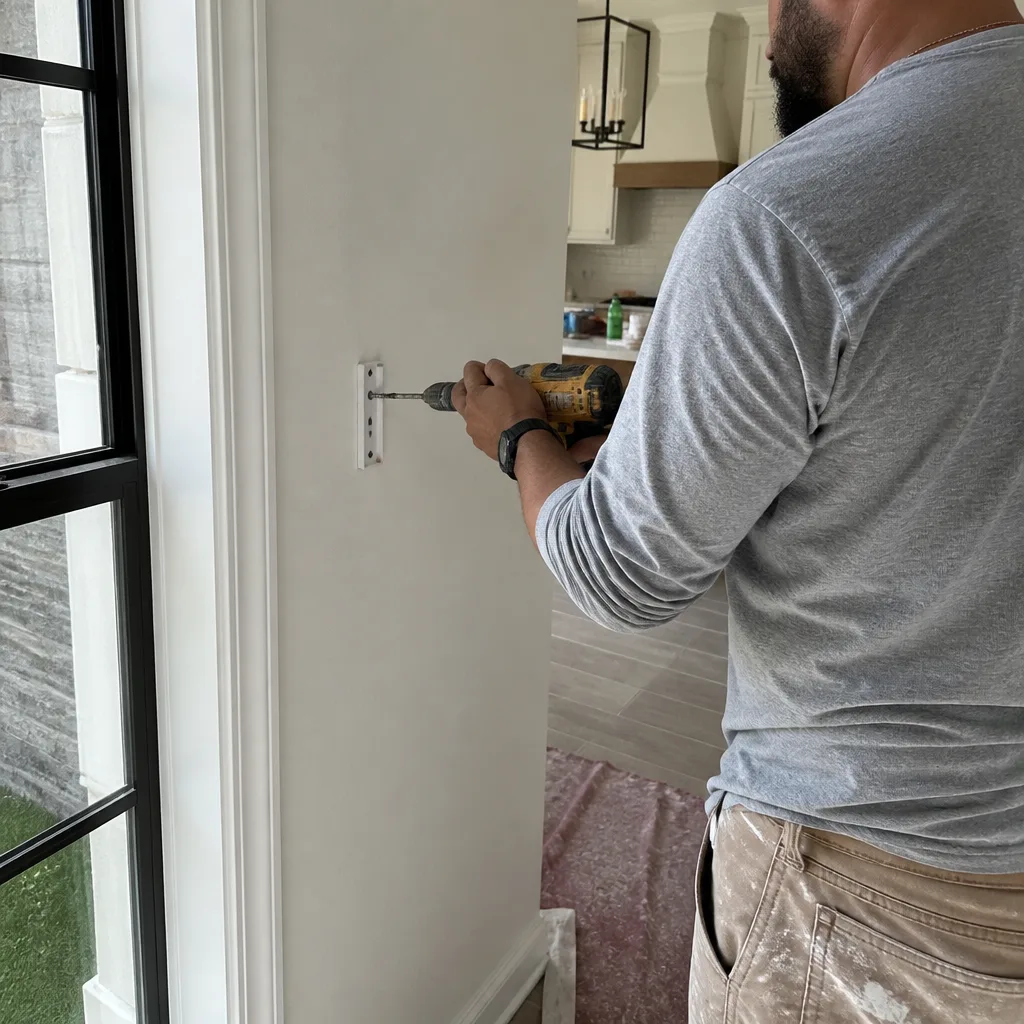 After
After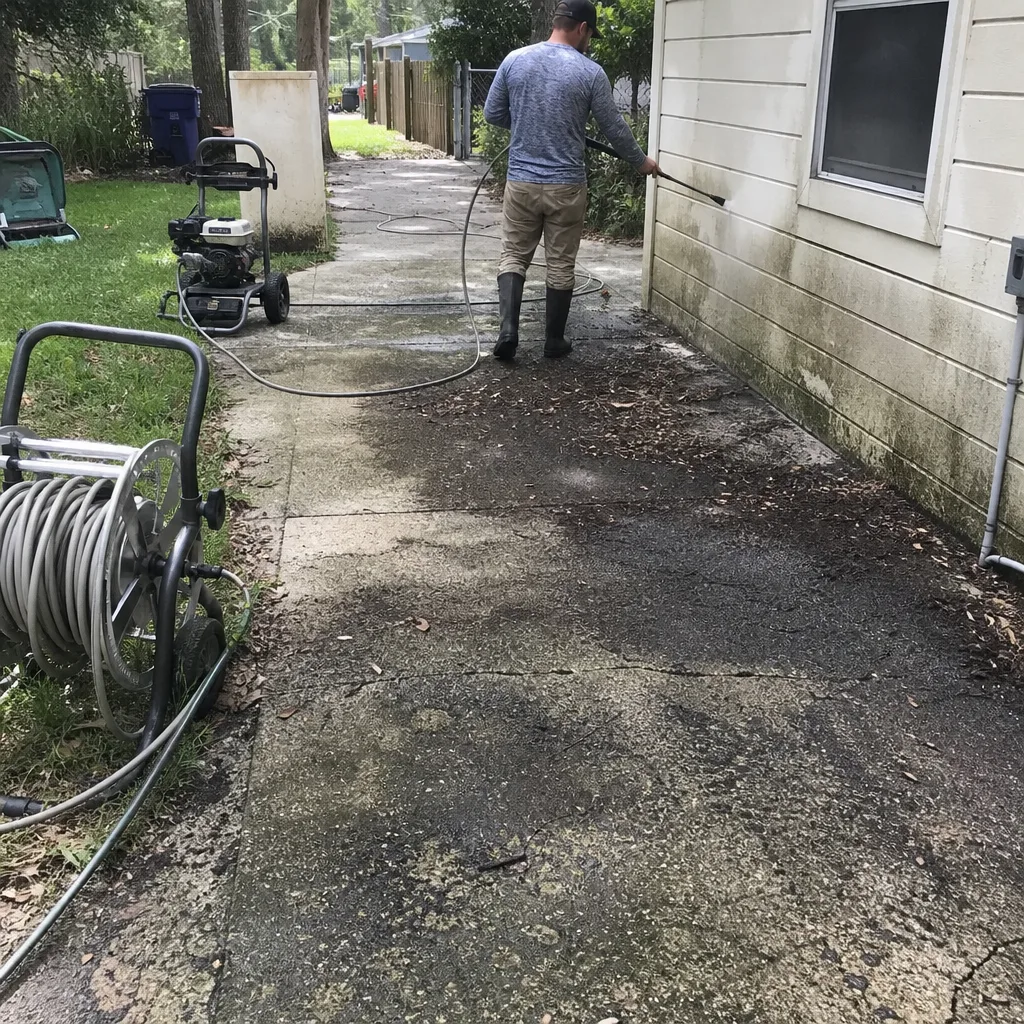 Before
 After
AfterReplacement Cost & What’s Included
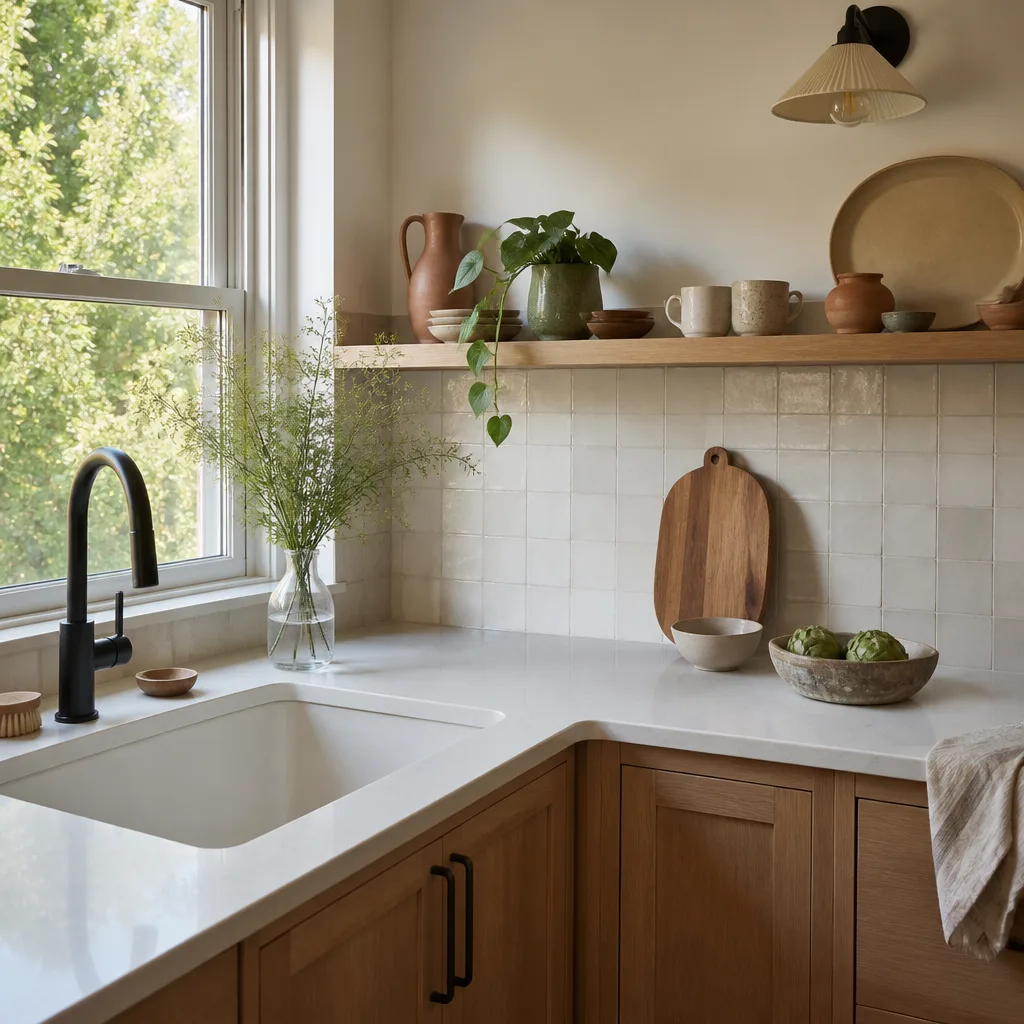
A full James Hardie kitchen remodel in Tampa lands between $14,000 and $45,000. Here’s how that breaks down:
- Small kitchen remodel (galley, condo, guest house): $9,000 – $20,000
- Full kitchen remodel (typical Tampa family kitchen): $14,000 – $45,000
- Cabinet installation alone: $4,000 – $13,000
- Countertop installation alone: $2,000 – $6,500
- Backsplash installation alone: $800 – $2,500
- Kitchen island installation alone: $3,000 – $10,000
The swing between the low and high end comes down to whether we’re replacing one failed section or gutting and rebuilding, what wall framing is behind the James Hardie panels (Seminole Heights bungalows often have older stud spacing that needs blocking), and which finish materials you choose for the cabinets, countertops, and fixtures. We work with KraftMaid and Wellborn cabinets, Cambria, Silestone, and Caesarstone countertops, and Kohler, Moen, and Grohe fixtures, which means you can research every material by name and know the warranty travels with the finished job.
Every quote is a written, line-item price given before any work starts. You’ll see the James Hardie board cost, the labor to remove and replace it, the seam taping and sealing, and the finish work as separate numbers. The 365-Day Done Right Promise covers the whole project: if something we installed isn’t done right, we make it right, at no charge to you.
DIY or Call Us?
You can safely check a few things yourself before calling anyone. Look under the sink for visible water staining on cabinet sides. Run your hand along grout lines at eye level and feel for powdery residue or hairline ridges. Note where cracks are clustering, because that tells you where the movement is originating. None of these checks require tools or risk.
What you shouldn’t do is start pulling tile or cutting into a wall to find the substrate. If the tile backs onto an exterior wall with utility lines, you can hit plumbing or electrical without knowing it’s there. HardieBacker also produces silica dust when cut, which is a respiratory hazard without proper containment and a rated mask. This is exactly the point where a trained crew is worth more than the money you’d save. Call (850) 779-4017, tell us what you’re seeing, and we’ll send someone who can diagnose the substrate without opening a wall blind.
FAQs
James Hardie cement board and trim products carry a manufacturer’s warranty and are rated for the exact humidity and temperature swings Tampa delivers, but the installed lifespan depends on what’s behind and around them. HardieBacker properly installed with taped seams and proper fastener spacing should outlast any tile installation; HardiePanel and HardieTrim on exterior walls should hold 30 years or more before replacement is even a conversation. Where we see early failure, it’s almost always an installation shortcut, not a product defect. Call (850) 779-4017 and we’ll tell you honestly whether your material is failing or the original install was.
Sometimes, yes. A single cracked seam with solid surrounding tile can often be addressed by removing the affected tile, retaping and re-thinsetting the joint, and resetting the tile. What can’t be patched is a section of HardieBacker that has been water-saturated and gone soft, or HardiePanel that has delaminated behind an exterior wall. In those cases the failed section comes out and new James Hardie goes in with the install details done right this time. For an exact recommendation, call (850) 779-4017, send us photos, and we’ll tell you which category yours falls into before anyone schedules a visit.
A single-substrate repair or section replacement typically runs two to four days. A full kitchen remodel with new cabinets, countertops, substrate, and fixtures runs four to eight weeks in most Tampa homes, depending on what we find behind the walls and how long cabinet lead times are. We’ll give you a written schedule along with the written price, and we hold to the hours we told your family to expect, including quiet tool use during nap and school hours where it’s possible.
We keep half-inch and quarter-inch HardieBacker, seam tape, and the fasteners we use on hand for every project, and we order the specific HardiePanel and HardieTrim profiles to match your existing installation before we arrive. That means we’re not substituting a different thickness or a look-alike trim profile to save a trip. For anything we don’t carry, we source it from our James Hardie supplier the same week. Call (850) 779-4017 with your product label or a photo, and we’ll confirm we have the match before we send anyone out.
Written by Graham Stein, Owner, Elmstead Remodeling Tampa at Elmstead Remodeling Tampa, serving Tampa and nearby areas.