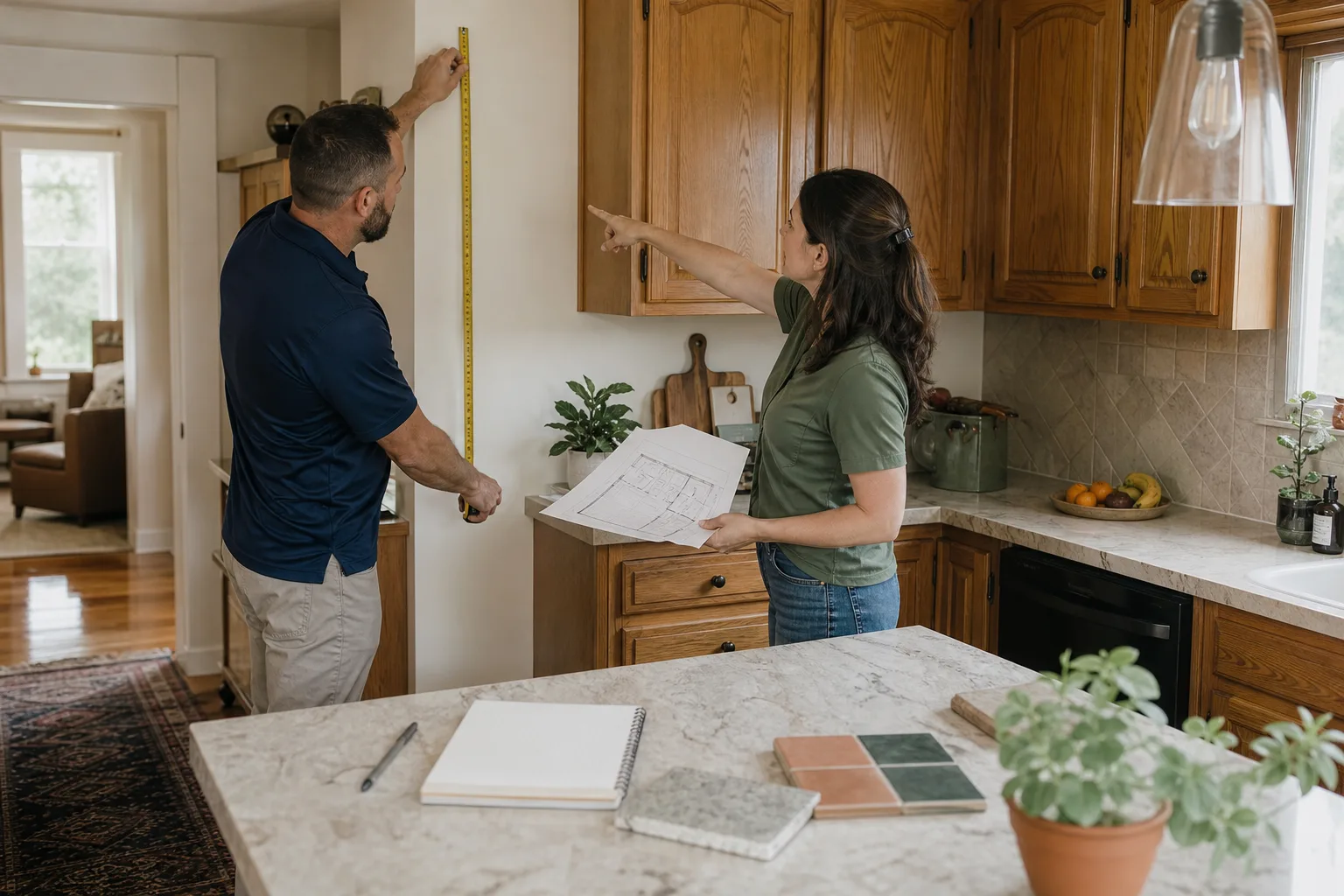
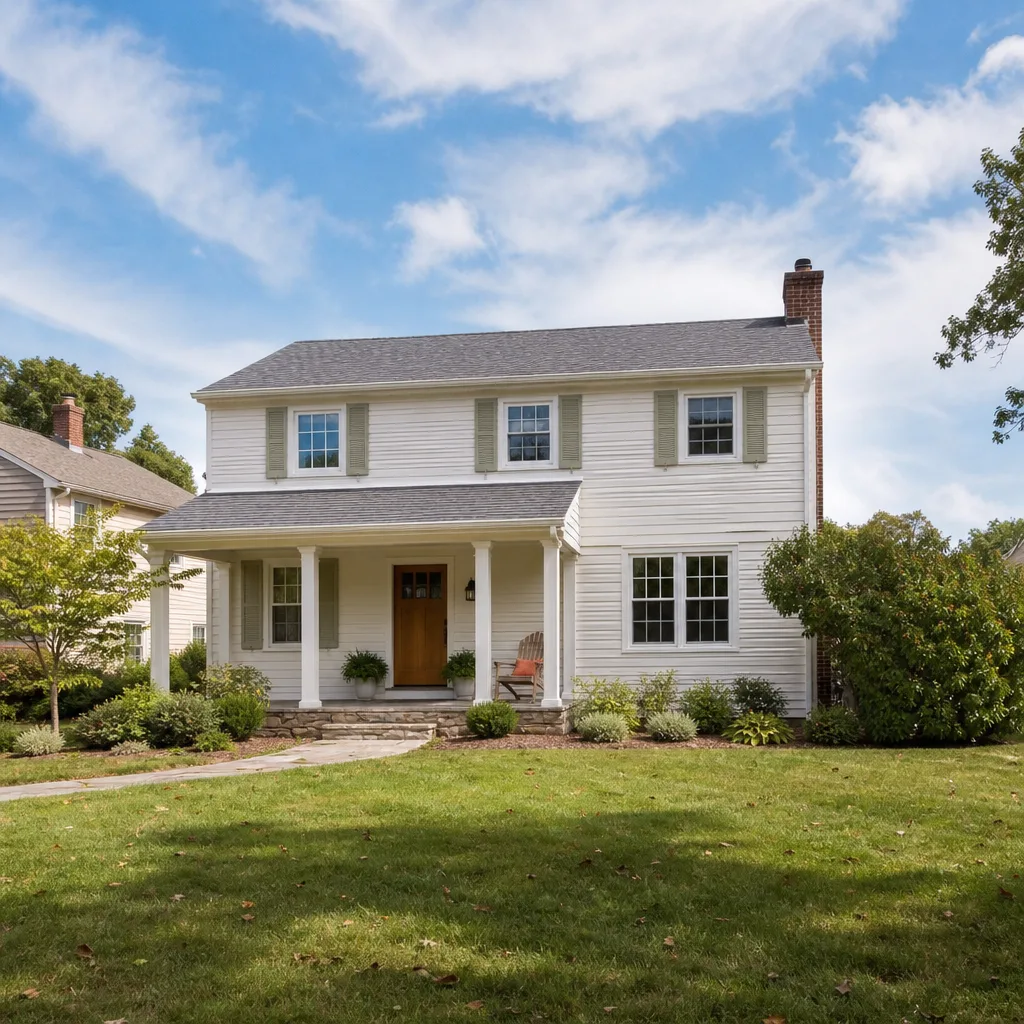
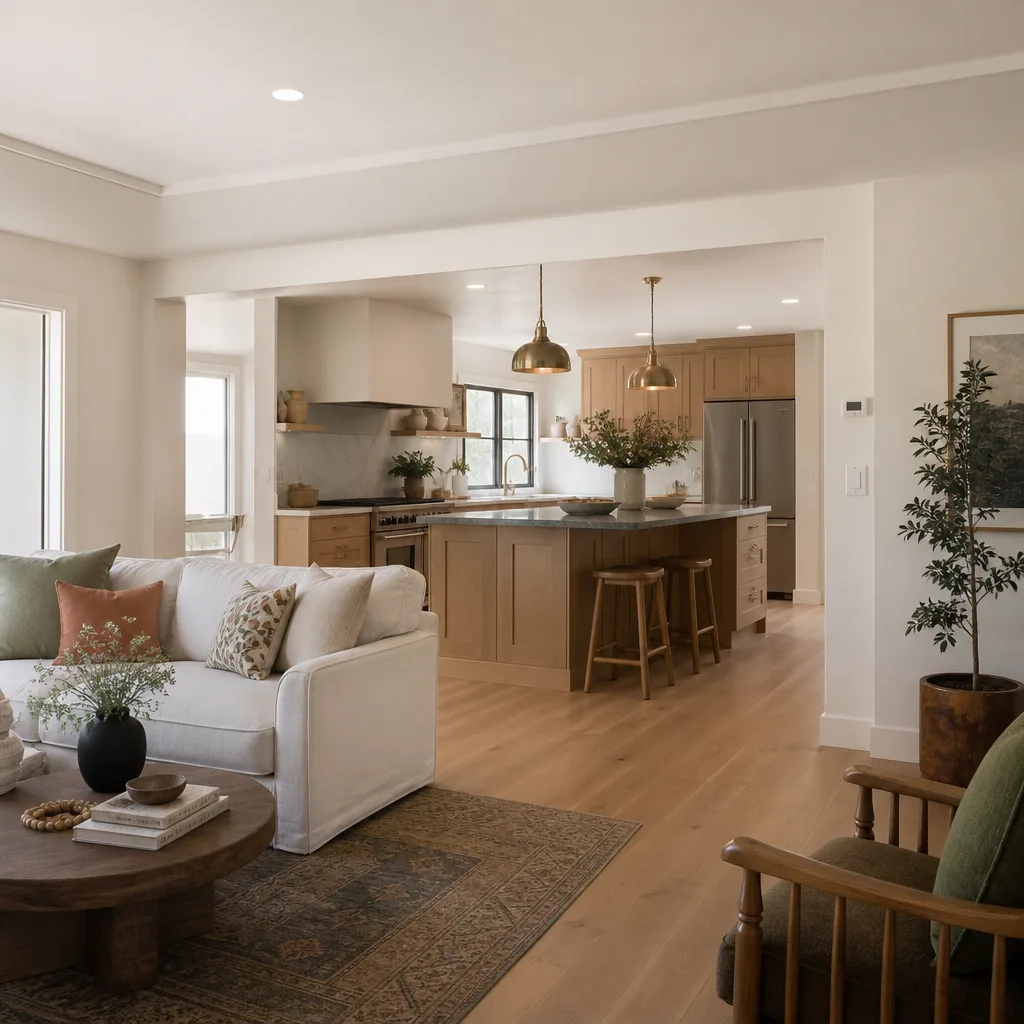
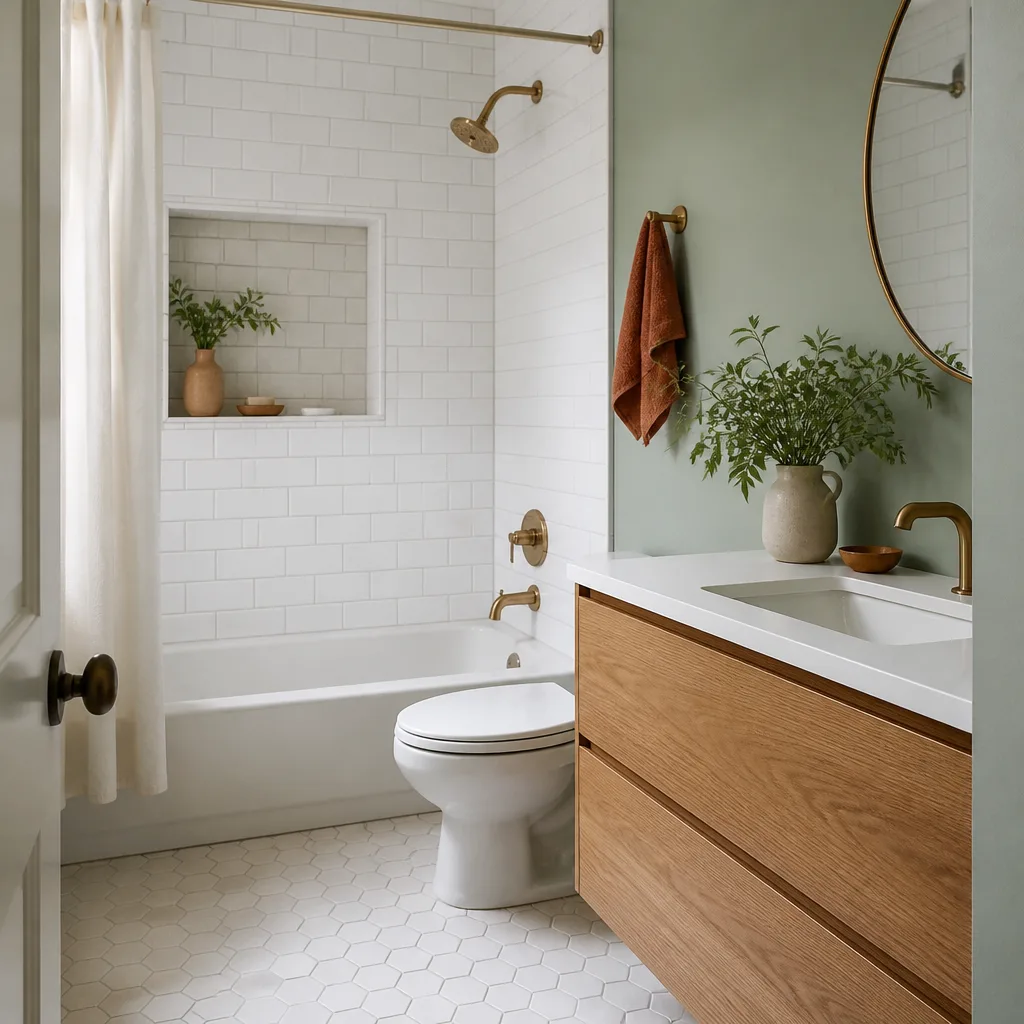
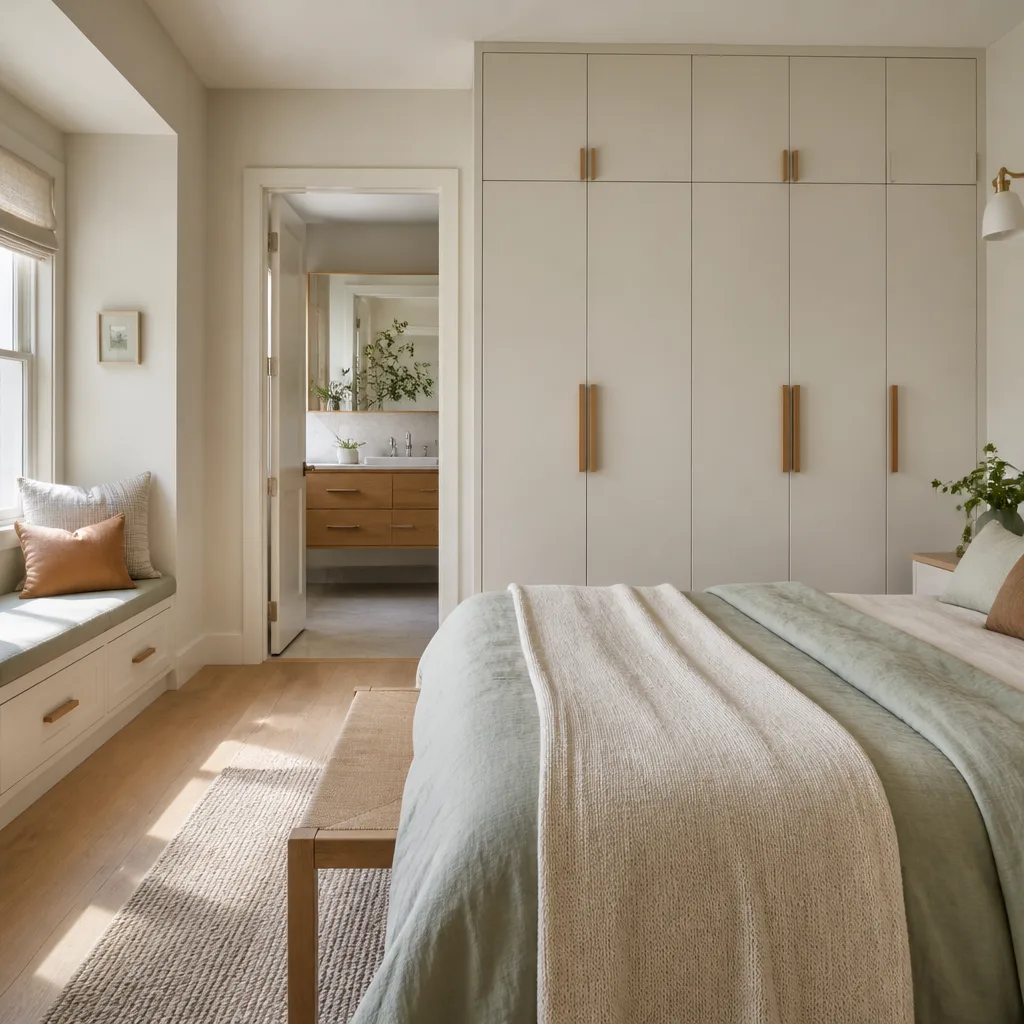
Free written scope consultation - allowances, timeline, and change-order rules on paper before a single trade is scheduled
Abodu Home Additions & ADU: The Tampa Owner’s Guide
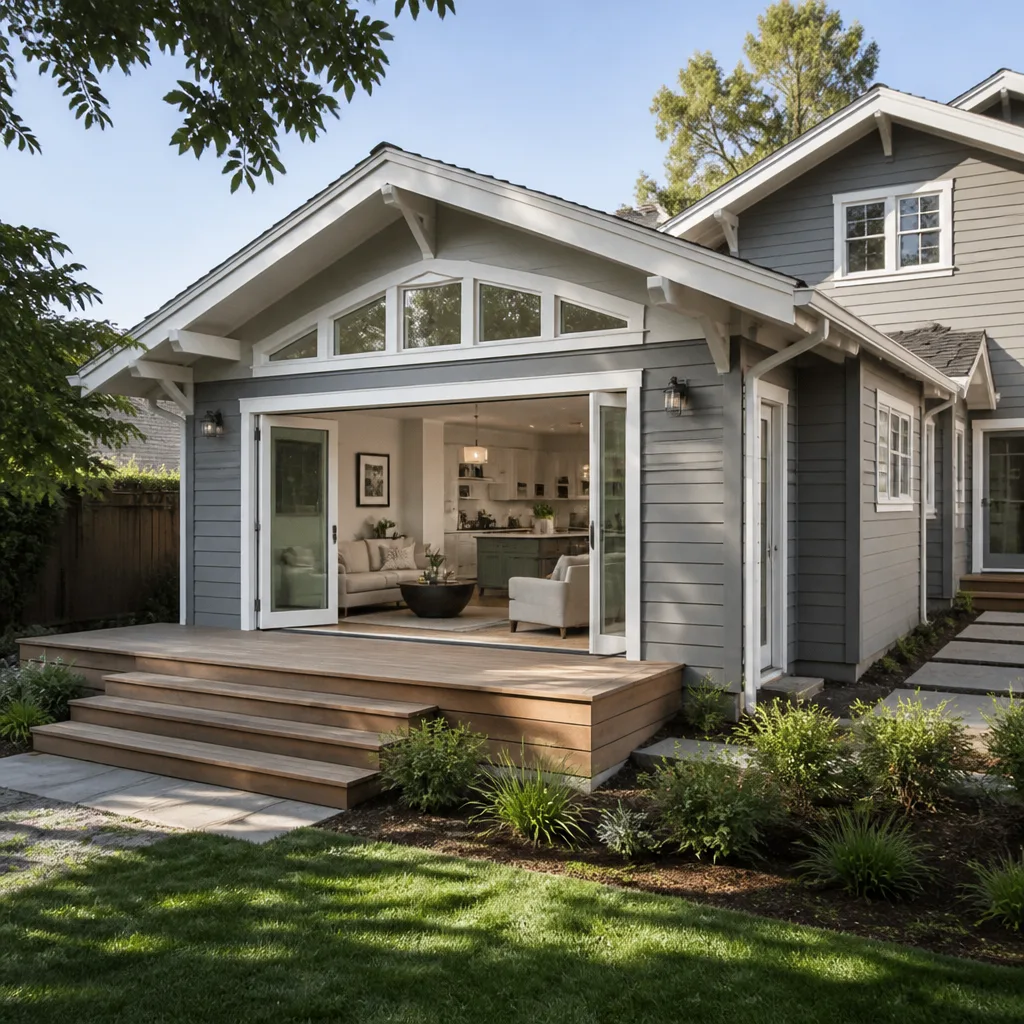
Abodu home additions and ADU construction in Tampa typically runs $45,000 to $130,000 for a permitted addition, and $90,000 to $220,000 for a full detached accessory dwelling unit. We stock the framing, tie-in, and finish materials needed for Abodu-style projects, and most material-related repairs or partial rebuilds can be scheduled within two weeks of your call. Owners usually find us when something in an existing addition or ADU starts misbehaving: a floor that bounces, a roofline that leaks at the transition, doors that no longer latch, or drywall cracks that keep coming back after patching.
Which Abodu Models This Applies To
Abodu builds modular and prefabricated ADUs in standard footprints, and the site work is what lives or dies in Florida. The parts we most often replace or reinforce on these projects are the connection points: ledger bolts at the house tie-in, flashing at roof transitions, sill plates on the foundation, and the utility stubs where plumbing and electrical meet the module. Abodu units ship with specific framing dimensions, so we measure on site before ordering any replacement lumber or connectors. If you have the original permit drawings, bring them to the first walkthrough; they tell us the exact fastener schedule and load path the original engineer intended. For aftermarket materials, Simpson Strong-Tie connectors and Huber ZIP sheathing are the two names we trust on Abodu-style projects in Tampa. The OEM spec works, but Florida’s wind and humidity load means we sometimes upgrade the flashing and the sill gasket while we’re in there.
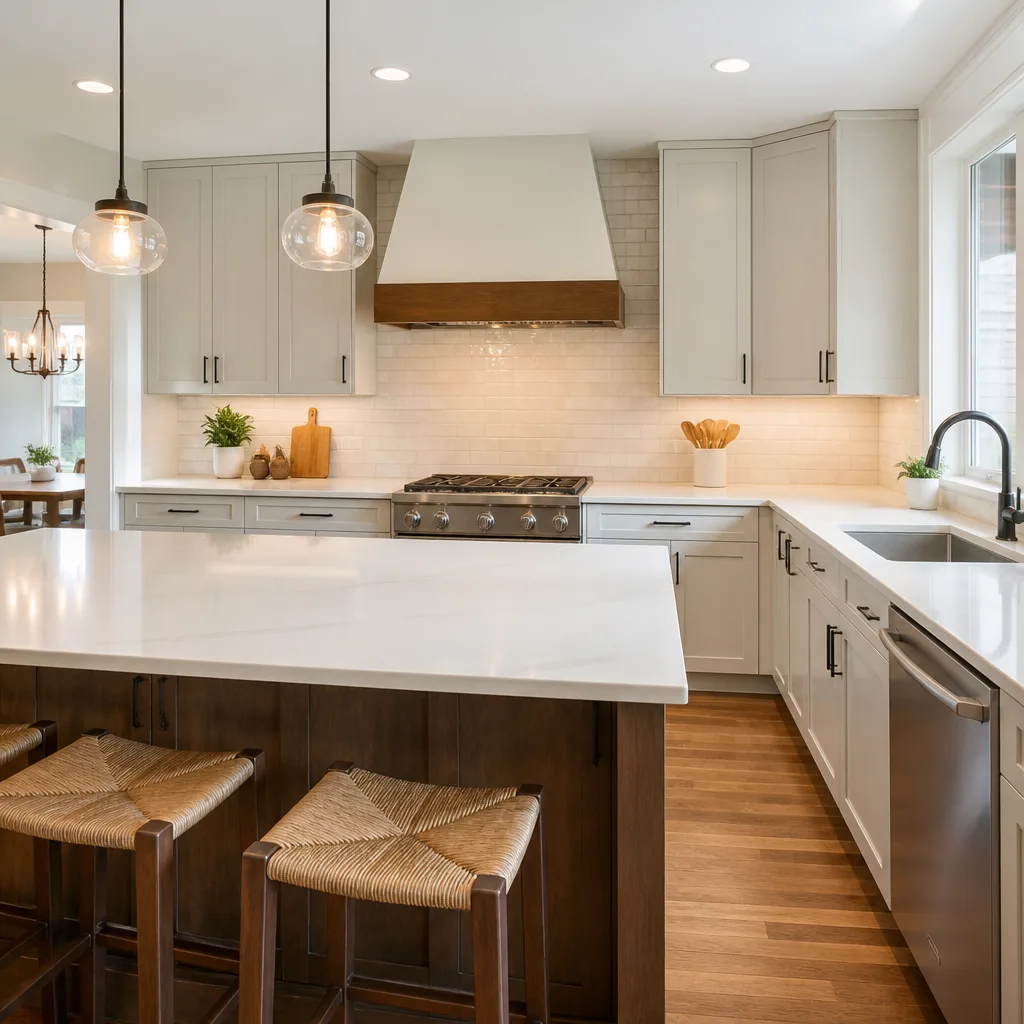
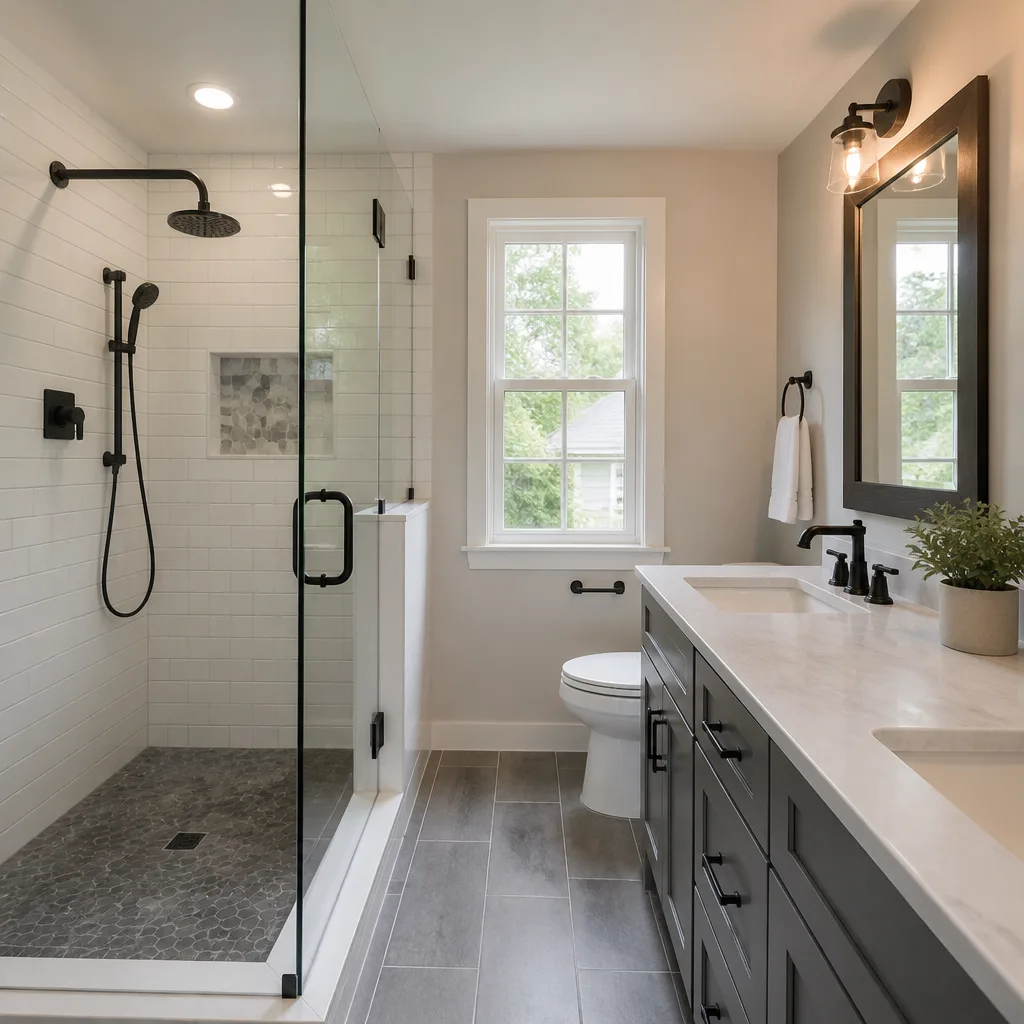
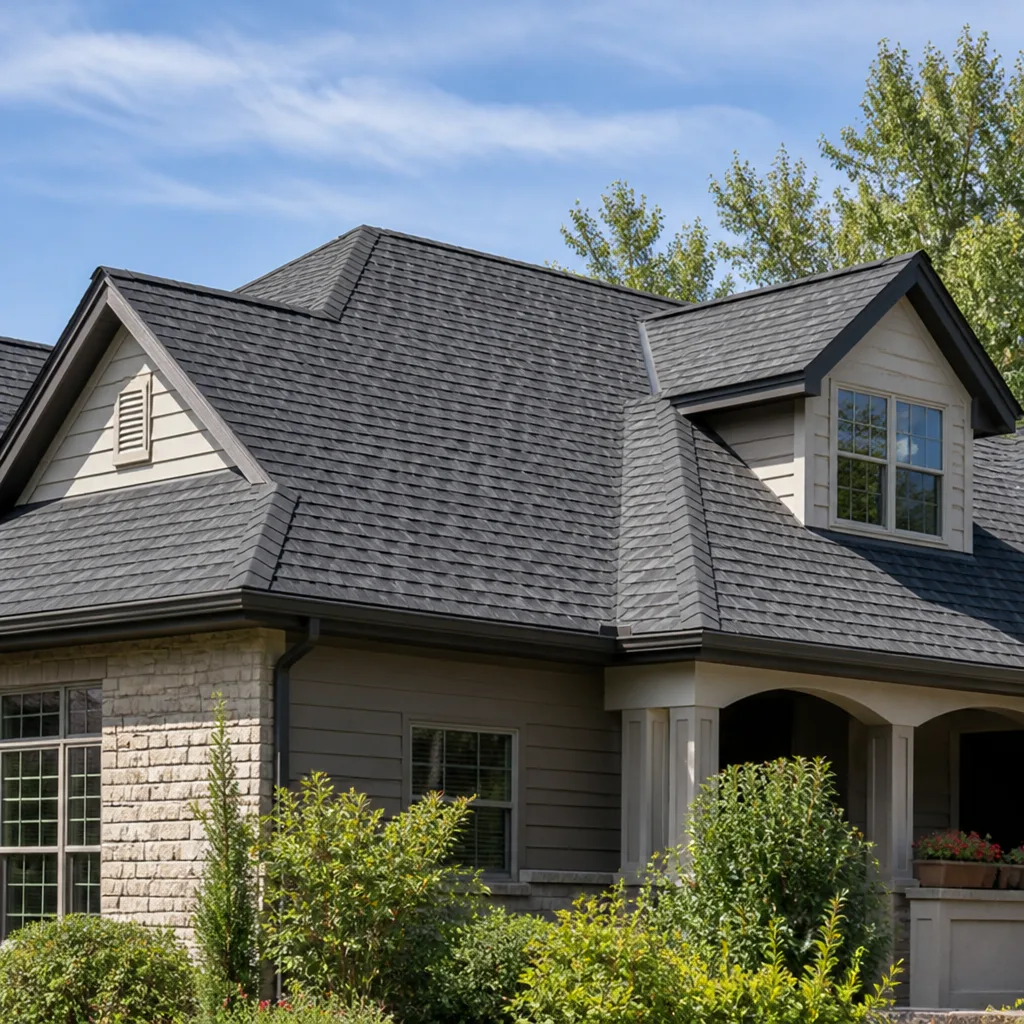
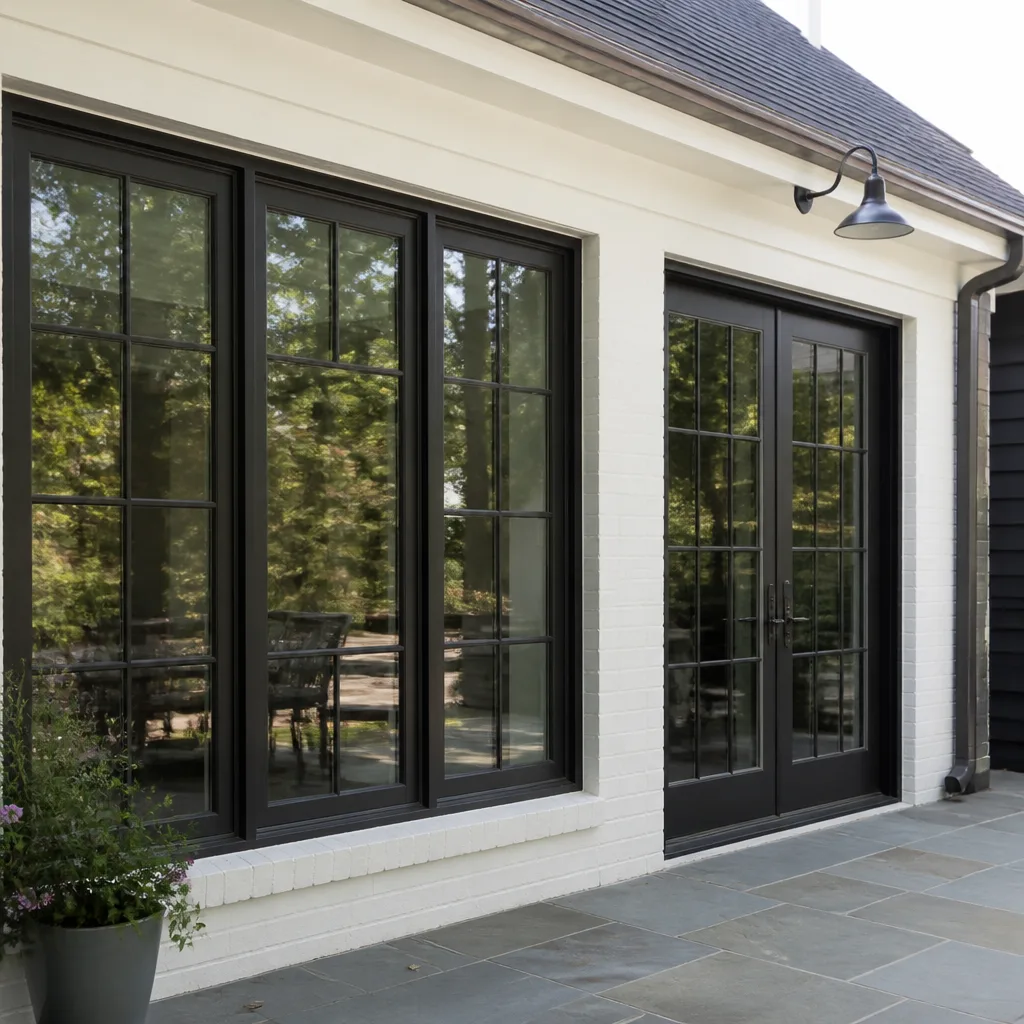
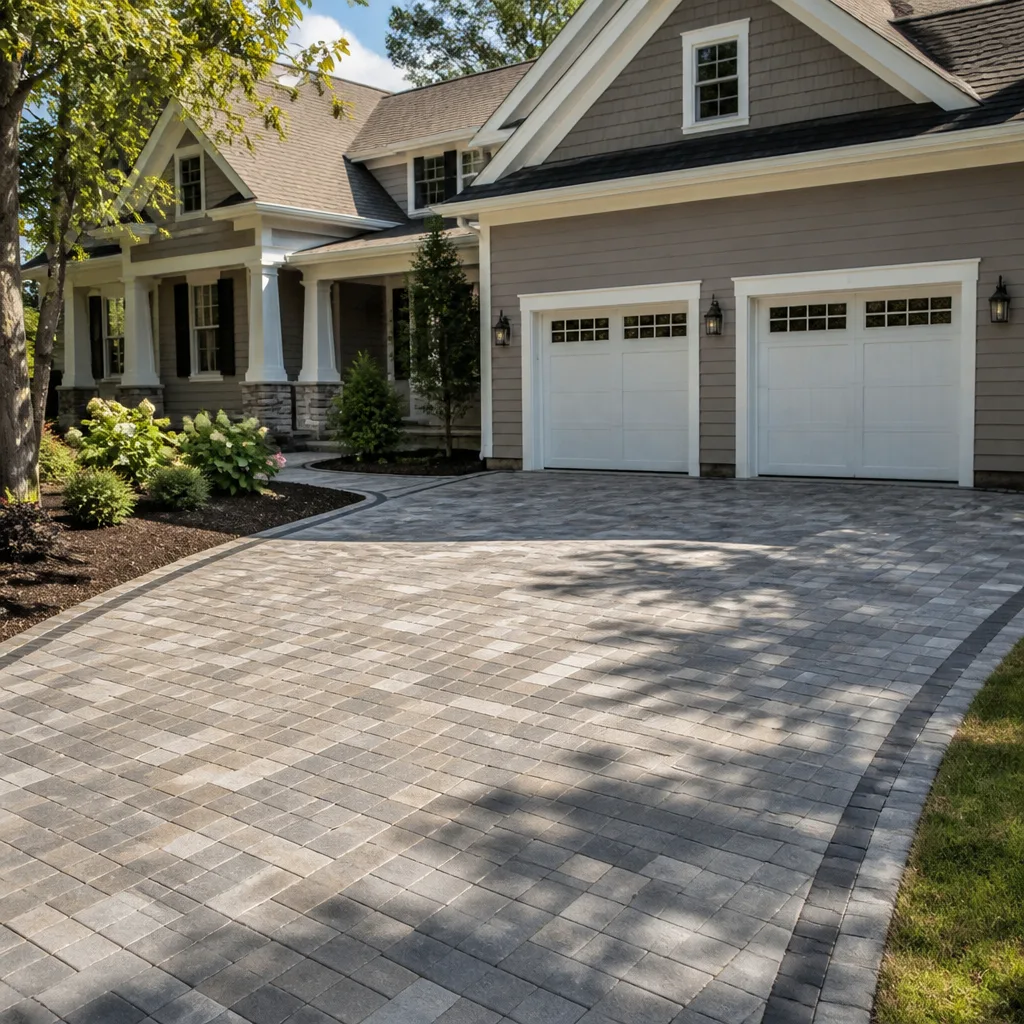
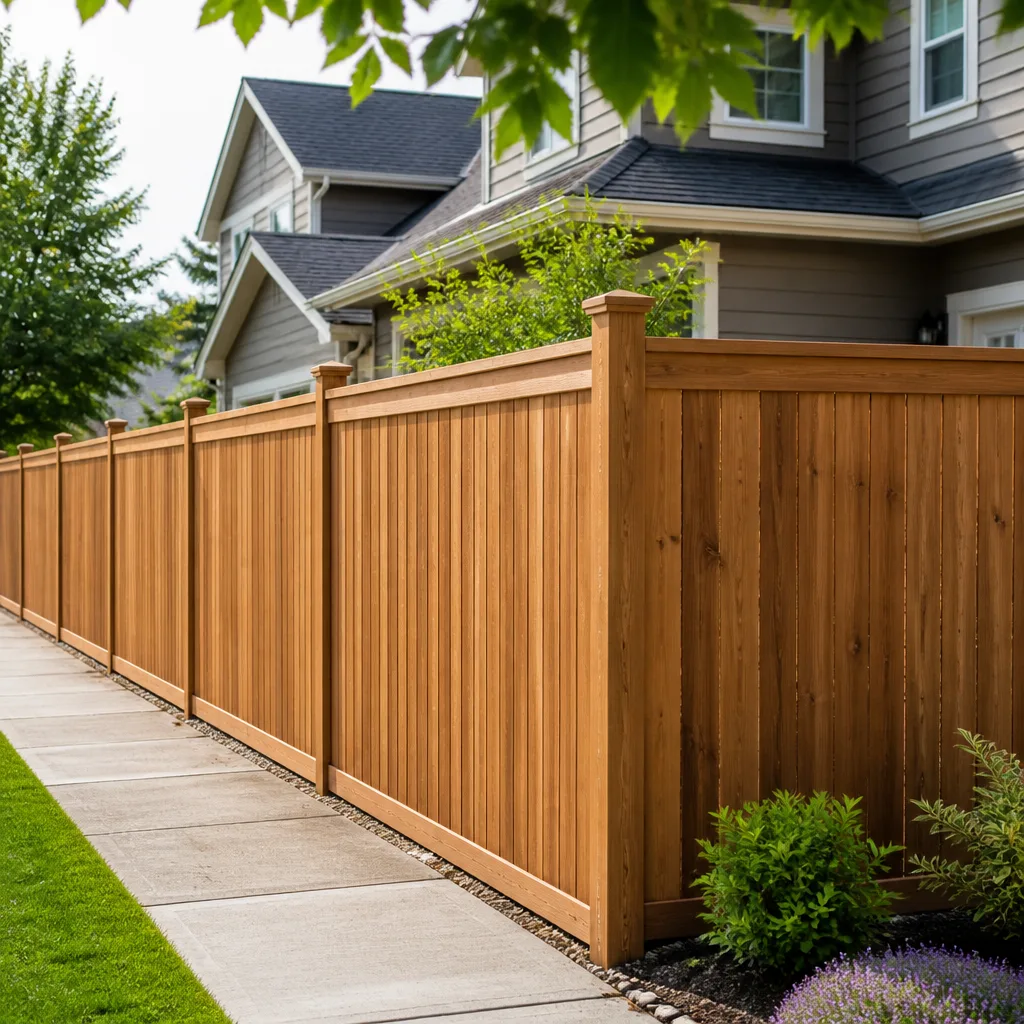
Styles & brands we work with
Signs Your Abodu Home Addition or ADU Is Failing
- Cracks at the wall-to-house transition. This is the most common failure we see on Tampa additions. The house settles one way, the addition settles another, and the joint cracks. It is rarely structural on day one, but it is a sign the connection detail needs a look.
- Doors that rub or refuse to latch in summer. Florida humidity swells framing and flooring. If your ADU doors stick from June through September and loosen up in December, the moisture barrier or the ventilation may be undersized for our climate.
- Soft spots in the floor near the bathroom or kitchen. A slow plumbing leak inside an Abodu-style module can go unnoticed for months. The subfloor wicks moisture, delaminates, and the spot feels spongy underfoot.
- Musty smell that follows you into the addition. This usually points to a flashing failure at the roofline or a sill plate that is wicking groundwater. It means water is getting somewhere it should not, even if you cannot see it yet.
- Roof leaks at the transition line. Where a prefabricated module meets the main house, the flashing takes all the wind-driven rain Florida throws at it. Tampa gets 50-plus inches of rain a year, and a small flashing gap becomes a big problem fast.
Replacement Cost & What’s Included
Repair and partial rebuild work on Abodu-style additions and ADUs in Tampa falls into predictable ranges: a flashing repair with new membrane and trim runs $400 to $1,800; a ledger or connection reinforcement runs $1,500 to $4,500 depending on access and what we find when we open the wall; a full new addition of comparable scope to an Abodu unit lands at $45,000 to $130,000, and a new detached ADU is $90,000 to $220,000 based on size, finish level, and site conditions. Every job starts with a written price before we touch anything. That price includes the parts, the labor, the dump run, and the photo of the clean-up before our crew leaves. We name the materials in the quote, so you know you are getting Simpson connectors or ZIP sheathing, not a generic “compatible fastener.” The 365-Day Done Right Promise applies to every project: if it is not done right, we make it right.
DIY or Call Us?
There are things you can check yourself. An easy one: look at the transition between the addition and the main house after a hard rain. If you see water staining on the interior wall, that is a flashing problem, not a paint problem. You can also walk the floor in bare feet and note where it feels soft or hollow. What you should not do is open a wall, pull flashing, disturb a ledger board, or cut into any framing on a prefabricated unit. The load path in a modular structure is exact, and guessing at it is how small repairs become expensive ones. Same story with anything involving the electrical panel, gas line, or roof work. If you are unsure what you are looking at, call (850) 779-4017 and describe the symptom. We will tell you honestly if it is something you can handle or something we should come look at. Estimates are free.
How long does an Abodu addition last in Florida?
A properly flashed and ventilated addition in Tampa can last 30 to 50 years before major work is needed. The failure points are always the same: flashing at transitions, moisture at the sill, and termite pressure near grade. The structure itself will outlast those details if they are maintained.
See the difference
 Before
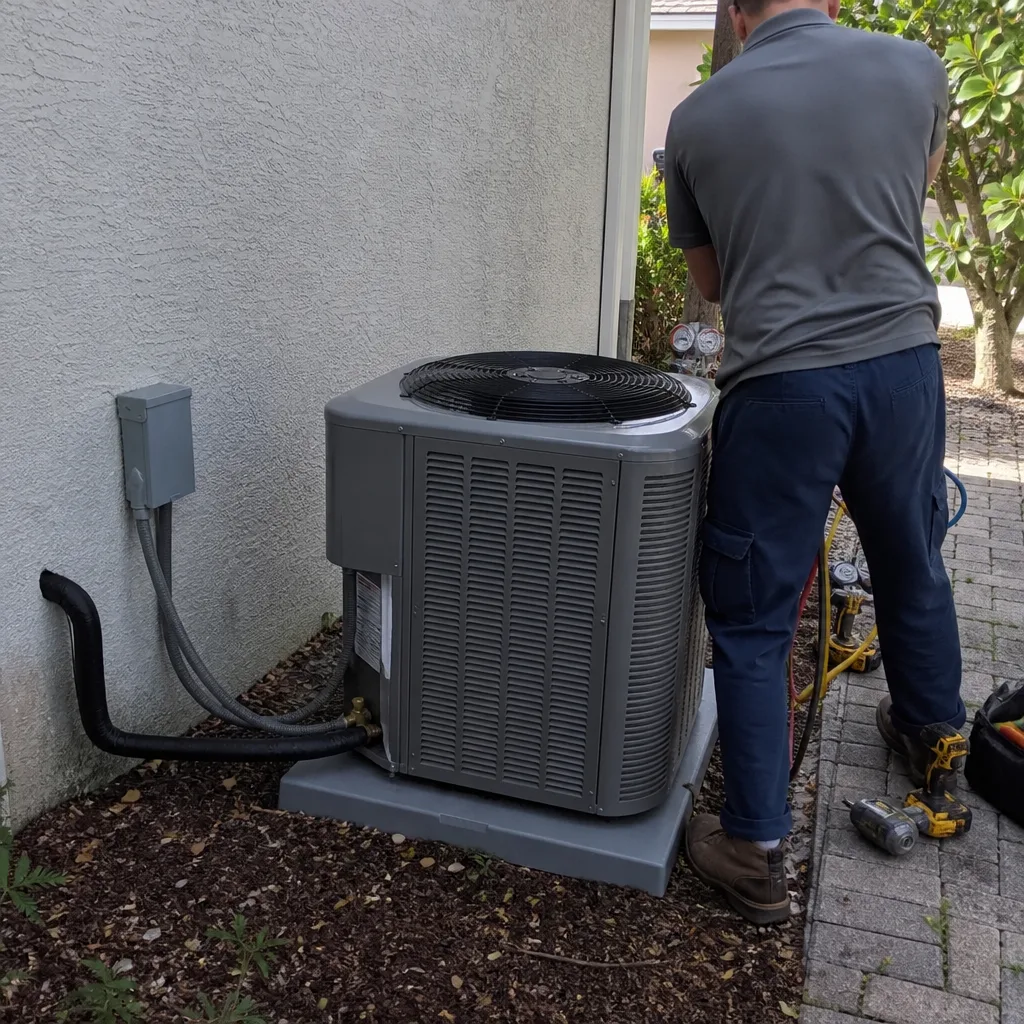 After
After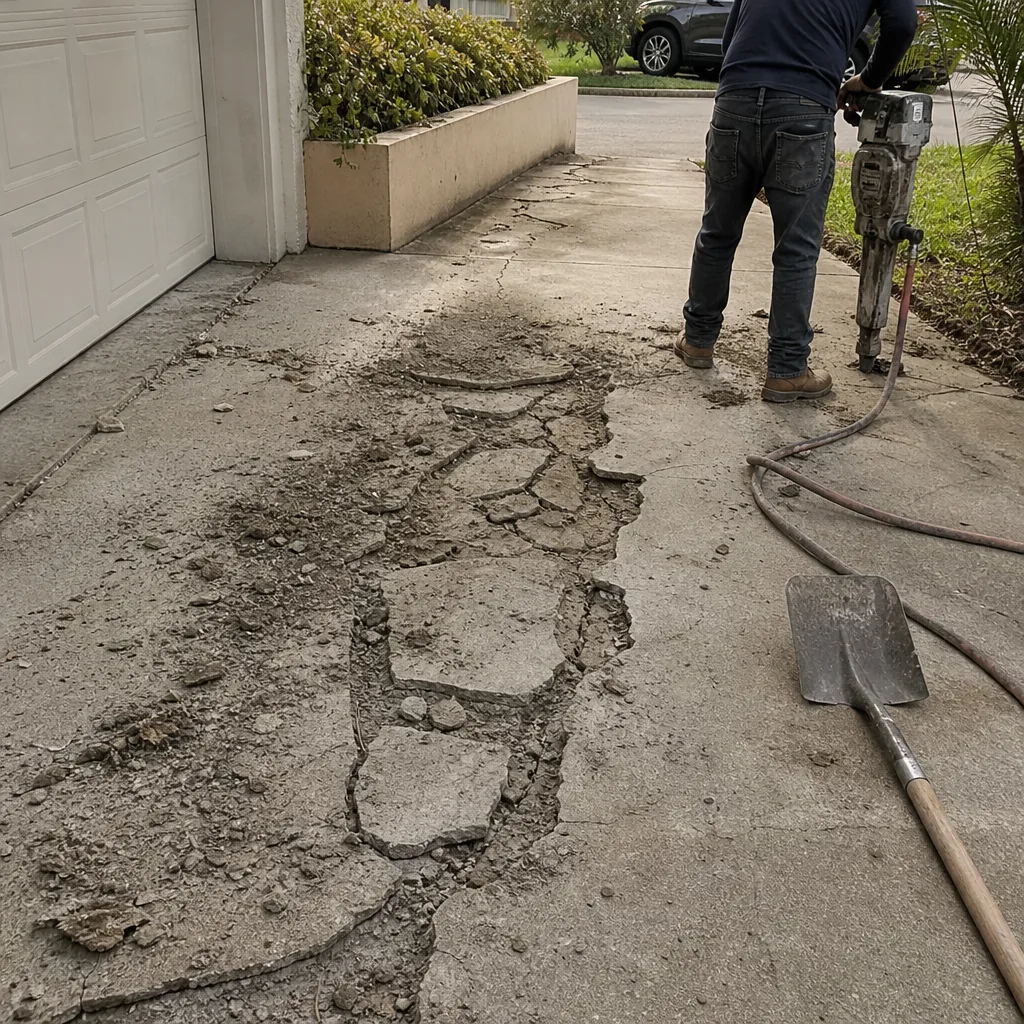 Before
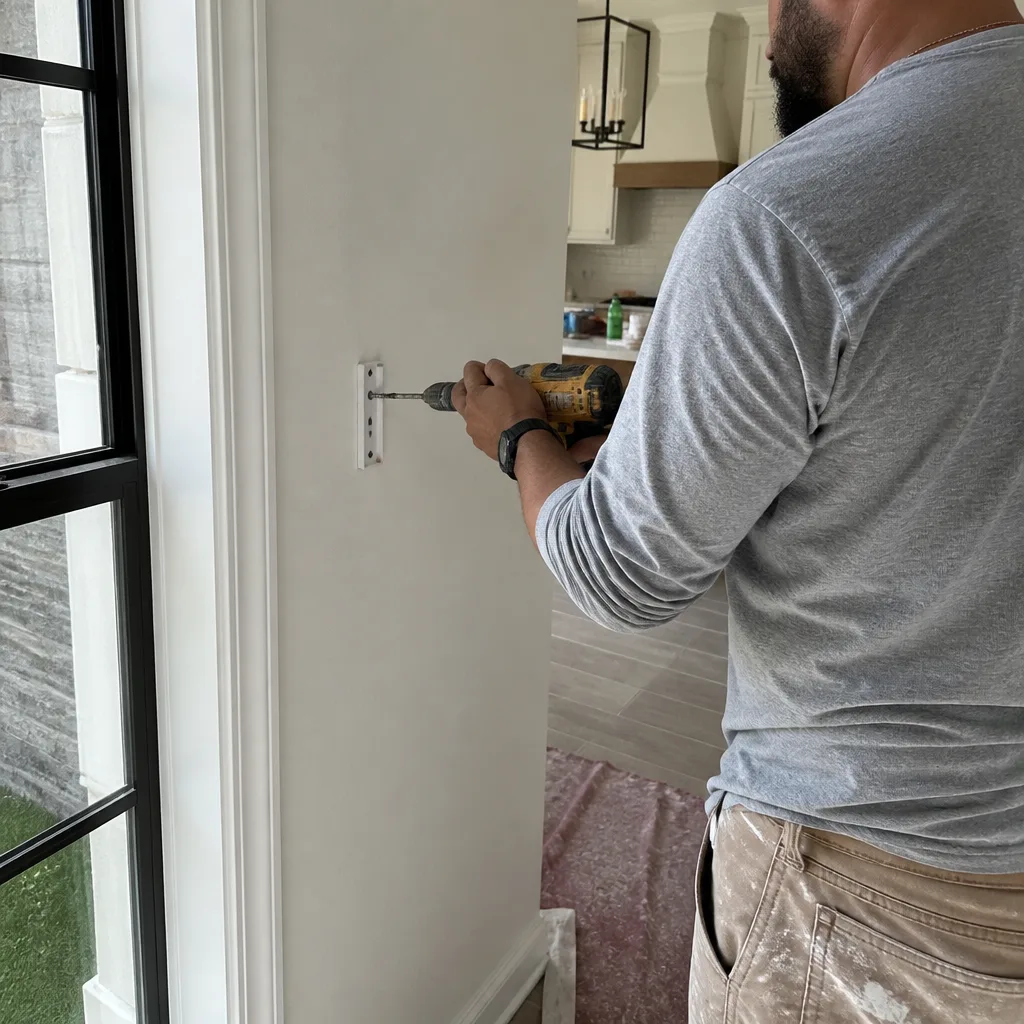 After
After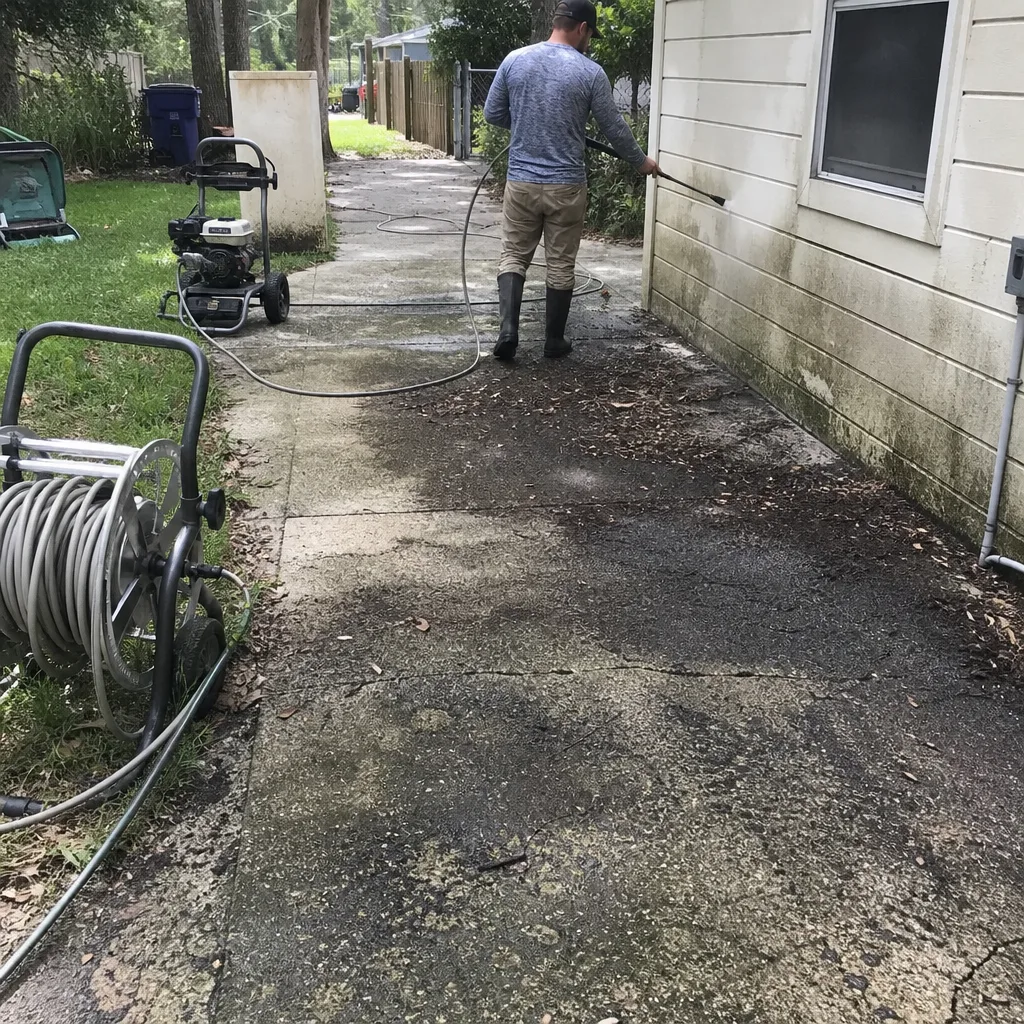 Before
 After
AfterCan a failing addition be repaired instead of replaced?
In most cases, yes. We can reinforce a ledger, replace flashing, rebuild a soft section of floor, or re-anchor a sill without tearing down the structure. Replacement only makes sense when the framing itself is compromised or the owner wants to expand the footprint. We will tell you which path you are on after the first walkthrough.
How long does the repair or rebuild take?
A flashing or floor repair in Tampa typically takes one to three days. A larger partial rebuild, like a ledger reinforcement or a roof transition fix, can run one to two weeks depending on permits and weather. We write the schedule into the quote, and we keep to the quiet hours we agreed on with you.
Do you stock Abodu-specific parts?
We stock the materials we use most on Tampa Abodu-style projects: flashing, sill gaskets, Simpson connectors, pressure-treated sill plate stock, and moisture barrier. Anything custom-ordered, like a specific trim profile or a door unit, is written into the quote with a lead time so there are no surprises. We do not use aftermarket parts that change the load path without an engineer’s say-so.
FAQs
Written by Graham Stein, Owner, Elmstead Remodeling Tampa at Elmstead Remodeling Tampa, serving Tampa and nearby areas.