




Free written scope consultation - allowances, timeline, and change-order rules on paper before a single trade is scheduled
Jerith Fence Installation: The Tampa Owner’s Guide
Jerith fence installation in Tampa typically runs $3,500 to $9,000 for a full aluminum fence replacement, depending on linear footage, gate count, and whether we’re pulling old posts or setting new ones. We stock Jerith-compatible aluminum panels, posts, gates, and hardware on our trucks, and we can usually have a section repaired or a full run installed within the same week once we’ve measured the yard. Most Tampa owners discover the problem the hard way: a gate that suddenly won’t latch after a storm, a panel that’s listing because the post base has gone soft in sandy soil, or a section that a car bumper introduced to the neighbor’s lawn.
If you’re reading this, you probably already know which part failed. What you may not know is whether that part can be matched to your existing Jerith line without swapping the whole fence. It usually can, and that’s where we come in. We’re an independent installer serving Tampa, not a Jerith dealer, so our only interest is matching your fence to the right part at a written price, then putting it in correctly.
Which Jerith Models This Applies To

Jerith’s aluminum fence lines have been manufactured in Philadelphia since 1961, and over the decades the product families have shifted in spec. The common series we see across Tampa yards include the Residential Aluminum line (2-rail and 3-rail panels, typically 36″ to 48″ tall), the Industrial/Commercial series with heavier pickets and 6′ heights, and the Prestige line, which uses 3/4″ to 1″ square pickets at tighter spacing. Panel widths almost always run 6′ on center, but the post sizes vary: residential posts are usually 2″ x 2″ with a .062″ wall, while the heavier lines step up to 2.5″ square posts with .095″ walls.
The gotcha we see most often in Tampa: a homeowner buys a “universal” aluminum panel from a big-box store, then finds out the punch spacing on Jerith panels sits at 3-7/8″ to 4″ centers, not the 4″ or 4-1/2″ spacing on generic hardware-store panels. The gate hinges, latches, and post caps need to match the original line’s extrusion profile. We measure the picket spacing and post dimensions before ordering anything. For most mid-2000s and newer Jerith installs, OEM-matched panels and hardware are still available through distribution, and we’ll price both OEM and quality aftermarket equivalents so you can choose. The aftermarket option almost always costs 15-25% less and, for the 2-rail residential line, performs identically in Florida conditions. For anything load-bearing, like a driveway gate or a 6′ privacy run, we recommend staying with OEM or a spec-matched heavy aftermarket post.
Styles & brands we work with
Signs Your Jerith Fence Installation Is Failing
- Gate won’t latch or drags on the ground. In Tampa’s sandy soil, gate posts can settle or lean a few degrees within a few seasons, which throws the latch alignment off. The hinge side post is shifting, not the gate itself.
- Panel moves when you push on it. If the pickets or rails wobble like a loose tooth, the post-to-rail screws have backed out or the post base has started to corrode below the soil line where sprinkler water sits against aluminum year-round.
- White chalky powder on the surface. Salt air from the Bay, especially in South Tampa and near the bridges, accelerates oxidation on aluminum. It starts cosmetic, but once pitting reaches the post below grade, the post wall can fail.
- Post cracked at the concrete collar. Tampa’s heavy summer downpours wash fines out from under post footings. The post holds, the concrete doesn’t, and the stress cracks the aluminum right at the collar line.
- Screws pulling out of the rails. Jerith panels use self-tapping screws at the rail-to-post brackets. Once the holes wallow out after a few years of wind loads off Tampa Bay, the panel starts rattling and the fix is a bracket replacement, not just a new screw.
See the difference
 Before
 After
After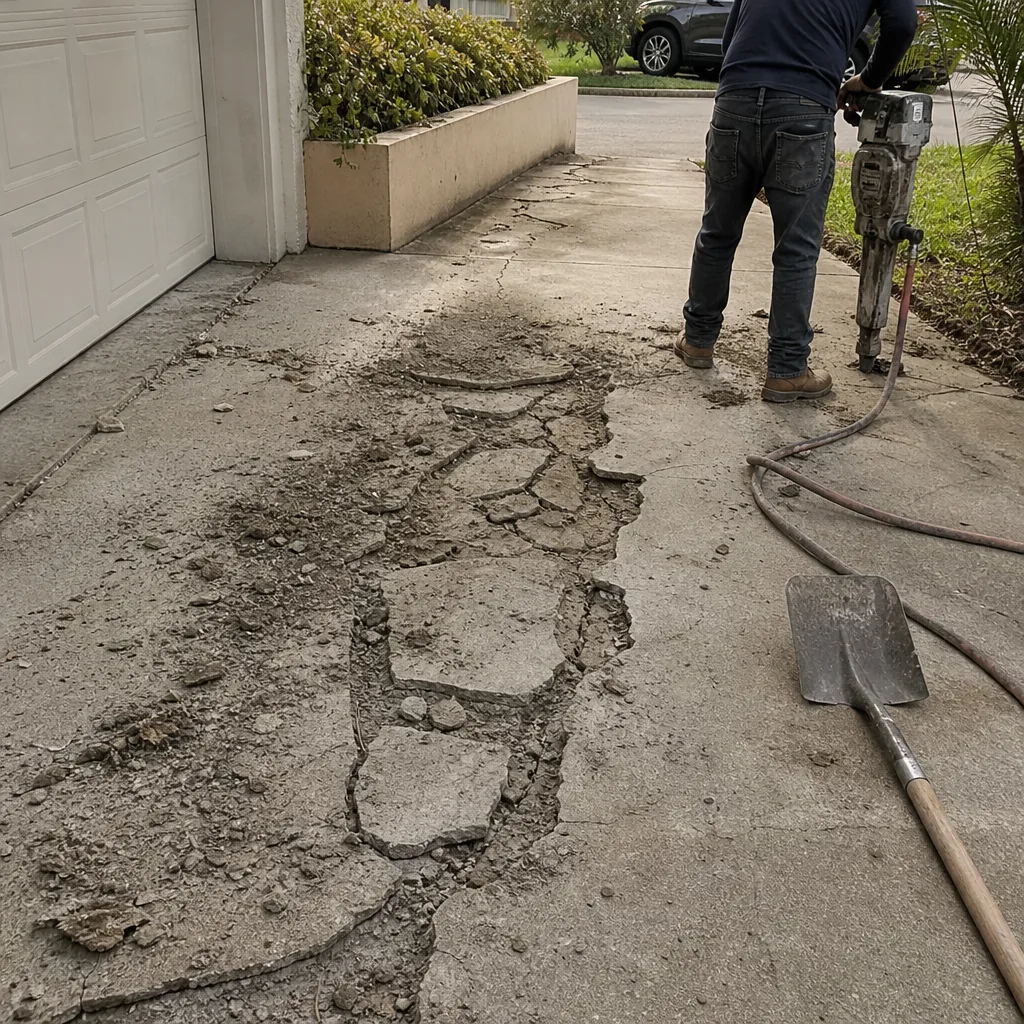 Before
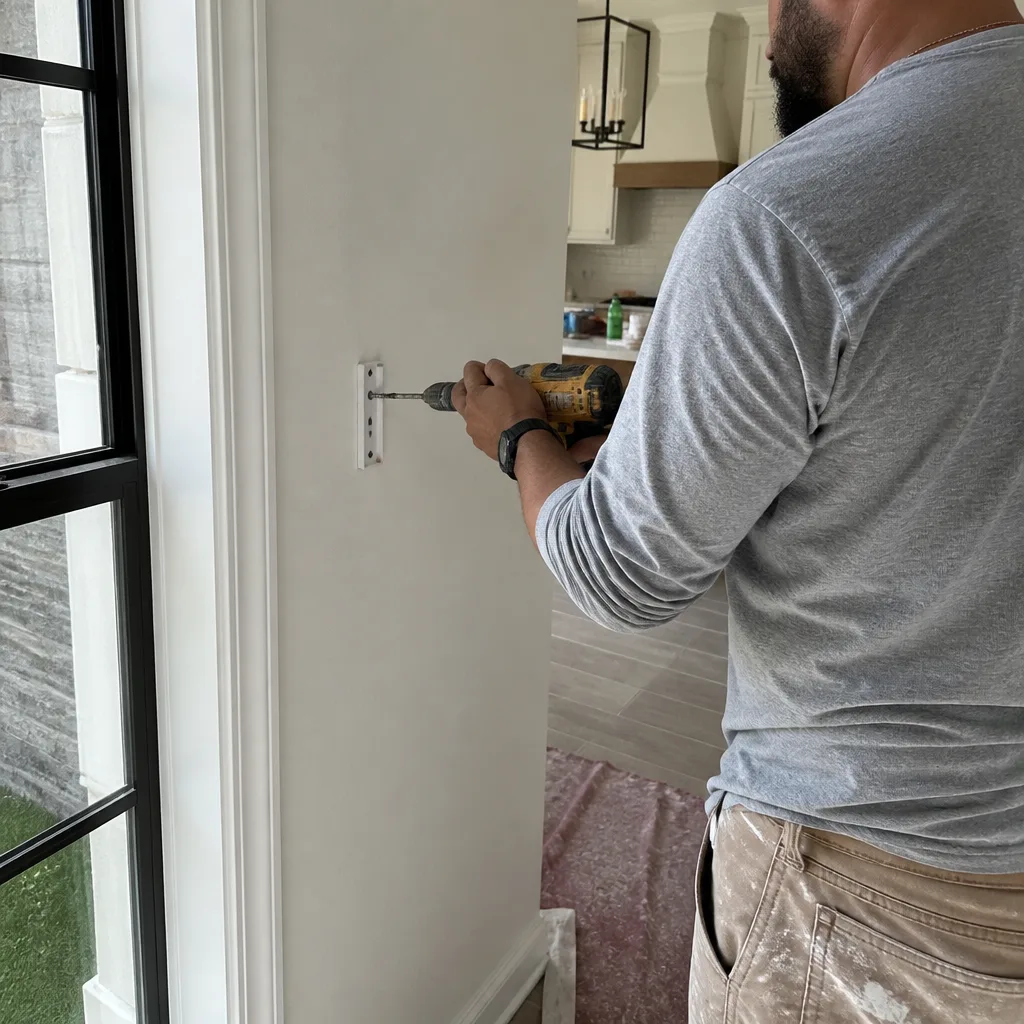 After
After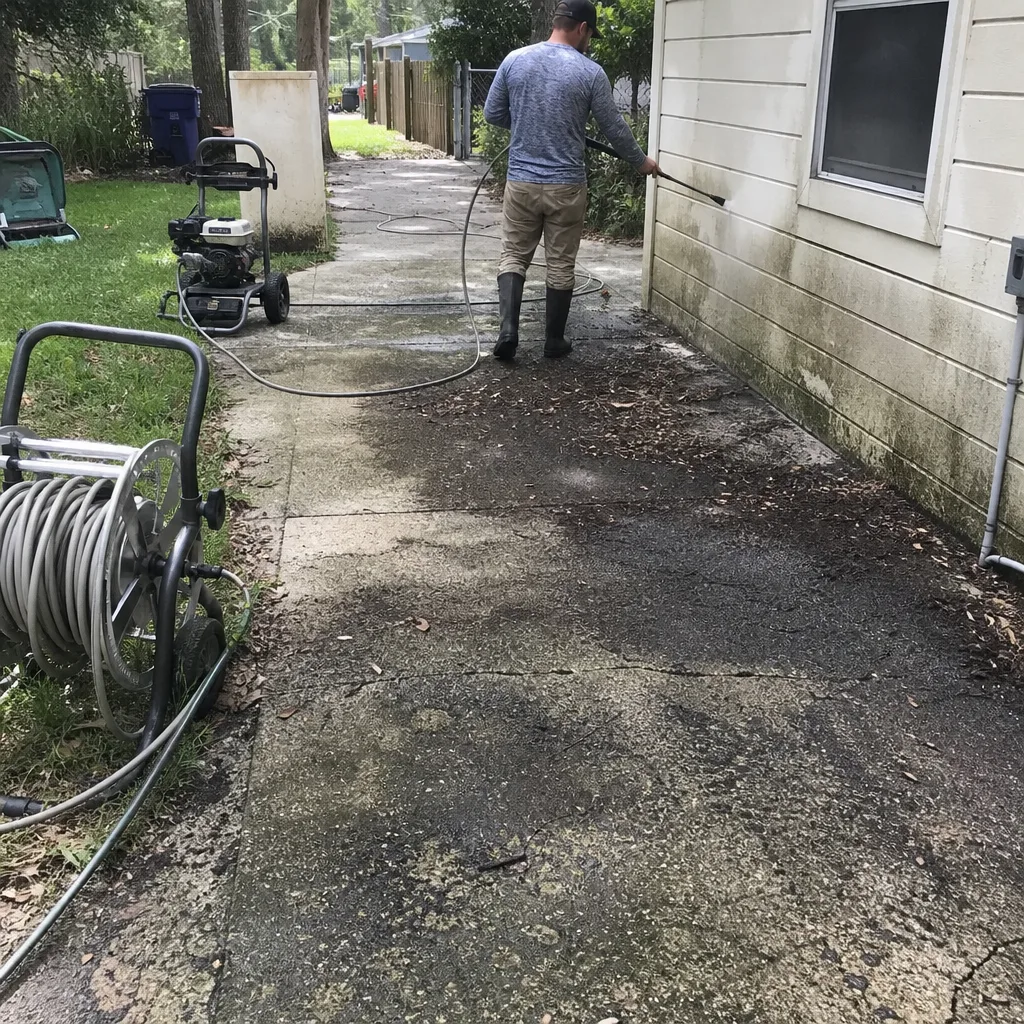 Before
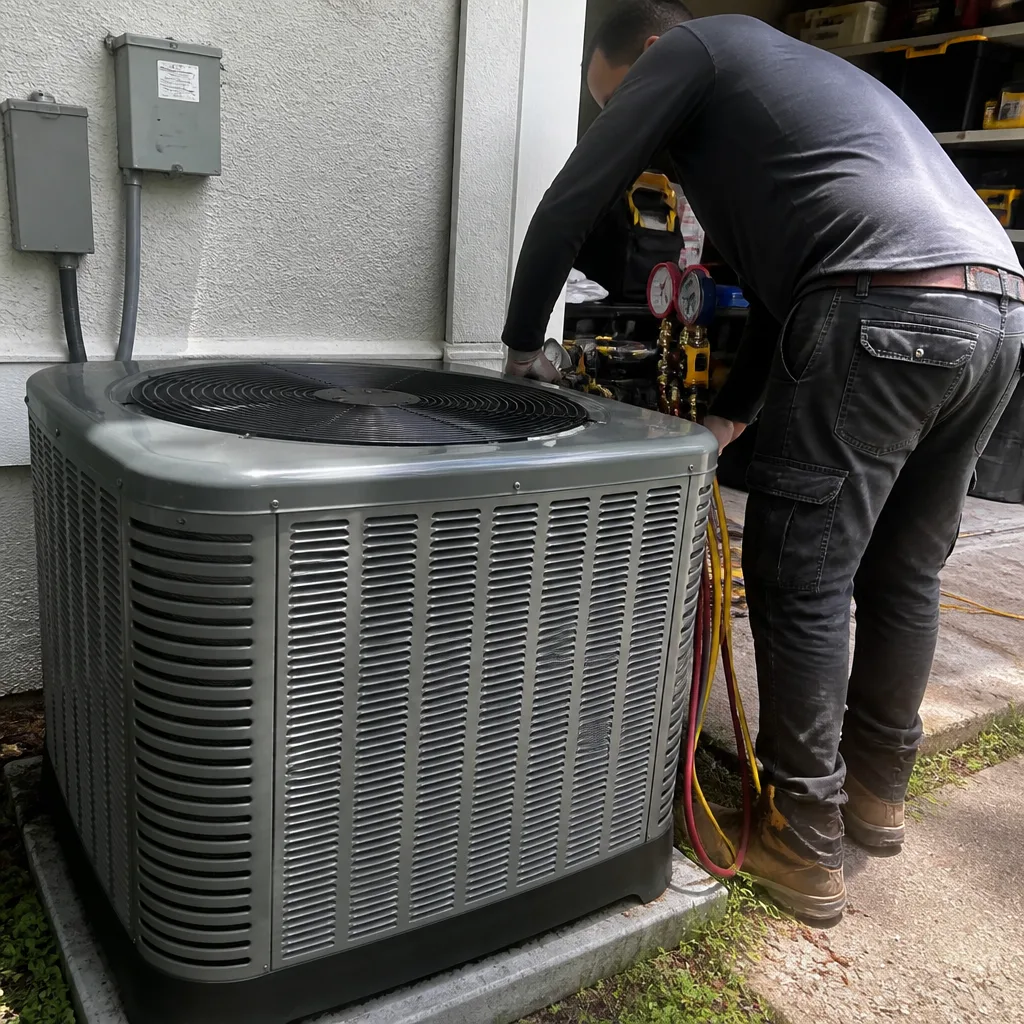 After
AfterReplacement Cost & What’s Included
For a typical Tampa backyard of 100 to 150 linear feet, a complete Jerith-style aluminum fence installation runs $3,500 to $9,000. That range covers removal and haul-off of the old fence, new posts set in concrete at 24″ to 30″ depth, panels and all hardware, one walk gate, and a final grade where the crew rakes and sweeps the line. The spread comes down to a few things: number of gates (each self-closing gate adds $450 to $800 installed), soil conditions (rocky sections in some parts of Tampa run slower than the sandy lots), and whether we’re matching an existing Jerith pattern that requires factory punches or using standard field-punched panels.
If you’re replacing only a section, pricing is per-foot rather than project-scoped: figure $28 to $45 per linear foot for matched panels and hardware, with a minimum call-out that covers measuring, material pickup, and the first two hours of work. Every job gets a written line-item price before we start. We write it down before we start so nobody is guessing mid-project. On the workmanship side, our 365-Day Done Right Promise covers the installation, and the panel and hardware manufacturers carry their own warranties we’ll file for you if something gives.
DIY or Call Us?
There are a few things a Tampa homeowner can safely check before calling anyone. Confirm whether the gate post is plumb with a level. Look at the screws in the rail brackets: if they’re wallowed out, that’s a bracket, not a mystery. And take a picture of the picket spacing with a tape measure laid across three pickets so whoever you call can match the series before they show up.
Where DIY goes wrong is below the soil line. The aluminum post walls in this climate take most of their damage where sprinkler water and fertilizer sit against them year-round. Pulling a post and resetting a new one means digging below the irrigation line in most Tampa backyards, and if you hit a lateral line, you’ll know it fast. It also means a proper concrete collar and proper spacing. We set posts at 24″ minimum in sandy soil and 30″ where ground water stands after rain. If you want to try the top-side hardware yourself, we’ll sell you matched screws and brackets and tell you exactly how they go in. If you want it done once: call (850) 779-4017 and we’ll measure it, write the price, and schedule the work around the hours you actually want noise in your yard.
FAQs

A properly installed Jerith-style aluminum fence lasts 25 to 40 years in Tampa, with the failure point almost always being the post below grade, not the panels. Panels hold up well; the question is whether the footing and post wall were set for our wet summers and sprinkler runoff. Call (850) 779-4017 and we’ll check the post bases before recommending a full replacement.
Yes, in most cases we can repair the failed section rather than replace the whole fence. If the post is sound and only the panel or hardware failed, we match the series and swap the parts; if the post is the issue, we dig and reset it. We’ll tell you which is which after measuring the site.
A section repair usually takes one day, and a full 100- to 150-foot replacement runs two to three days, including old fence removal and concrete curing time. We don’t set the gate hardware until the concrete has had its full cure window. Call (850) 779-4017 for a schedule based on your project.
We stock common residential 2-rail and 3-rail panels, post caps, hinges, latches, and brackets in the standard Jerith punch spacing, and we can typically order anything outside that within three to five business days. Name-brand material partners including KraftMaid, Cambria, and Silestone show up elsewhere in our work, but fence hardware is matched to your existing Jerith line, not guessed at.
Written by Graham Stein, Owner, Elmstead Remodeling Tampa at Elmstead Remodeling Tampa, serving Tampa and nearby areas.