Free written scope consultation - allowances, timeline, and change-order rules on paper before a single trade is scheduled
Barrette Roofing: The Tampa Owner’s Guide
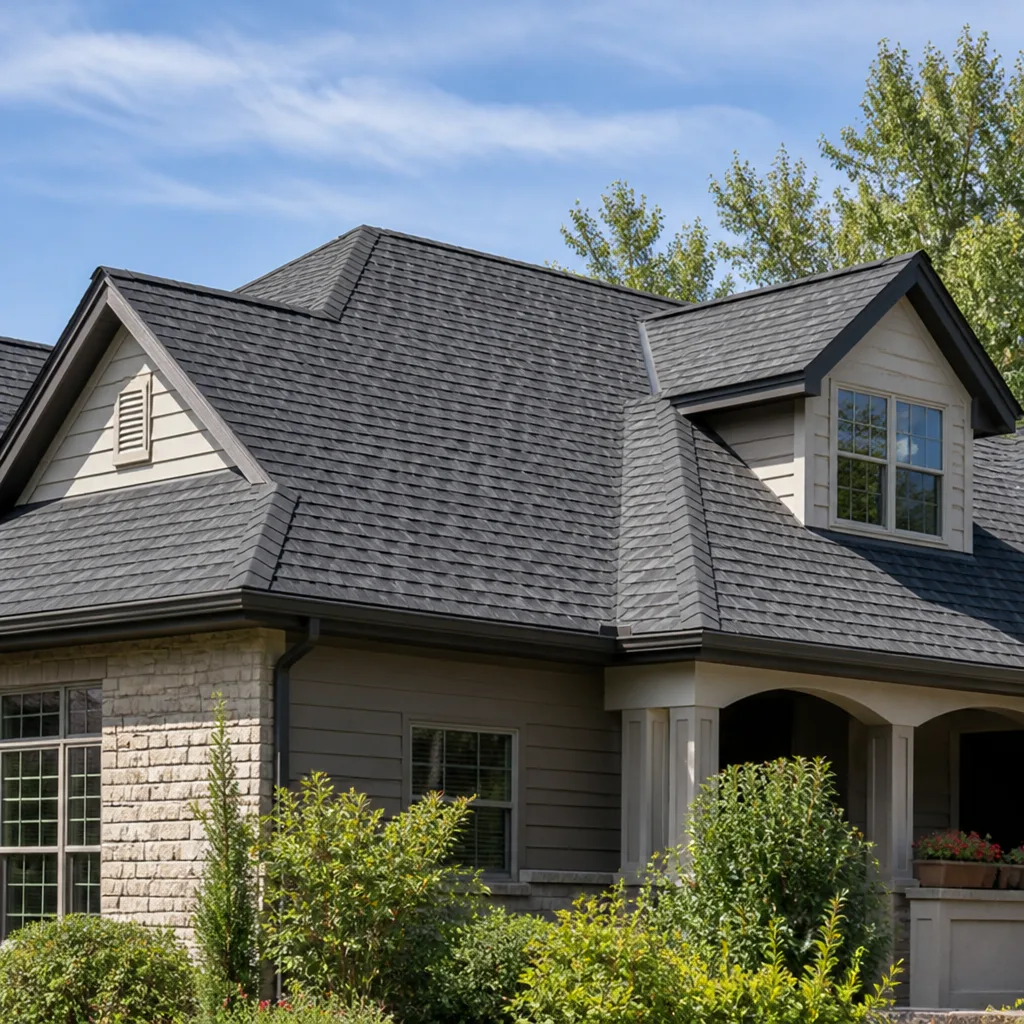
If you have a Barrette roof that’s failing, you’re likely dealing with missing or broken tiles, cracked ridge caps, or fastener corrosion that has let water through to the underlayment. We stock Barrette-compatible roofing components in Tampa and install them for a typical total of $1,400 – $3,800 including the parts and labor for a partial section repair, with most jobs completed in one day. The fix usually starts when a homeowner spots a tile in the yard after a storm, or notices a dark water stain creeping across the ceiling in the bedroom no one uses.
The short version: tell us the tile profile and color, and we’ll match it. If that’s not possible because the tile line was discontinued, we’ll explain the aftermarket options that hold up in Florida sun and tell you the installed price before any work begins. No surprises on the back end.
Which Barrette Models This Applies To

Barrette has produced a few distinct roofing tile profiles over the years, and the compatibility question is the first thing we sort out on the phone. The two most common in Tampa homes are the flat interlocking concrete tile (often labeled “Shake” or “Slate” in Barrette’s catalog) and the S-curve or “Roman” profile barrel tile. The flat profiles are typically 13 1/4 inches wide with a 3/4-inch interlock rib, while S-curve tiles vary by mold year, and that variation is where the gotcha lives.
Here’s the compatibility detail most people miss: two Barrette tiles can look nearly identical in color but have slightly different nose profiles depending on which plant produced them. The mold stamp on the back of a broken tile tells you the production line, and we ask for a photo of that stamp (or the label on a leftover bundle in your garage) before we commit to a match. This saves a wasted trip and a visibly off tile on the roof.
If the tile is no longer manufactured, we use quality aftermarket equivalents that match the profile and weight. The honest truth: an aftermarket tile in the same profile will outlast the original if it’s a denser concrete mix, but we’ll walk you through the color variation you’ll see at certain sun angles before you spend a dime. Elmstead Remodeling Tampa is an independent service provider, not affiliated with Barrette, so our advice comes down to what works on a Tampa roof, not what a manufacturer wants to sell you.
Styles & brands we work with
Signs Your Barrette Roofing Is Failing
- Cracked or broken tiles after a storm. Concrete tiles absorb impact differently than shingles – a palm frond or falling branch can fracture a tile clean through. Once cracked, the tile loses its water-shedding ability and the underlayment beneath starts taking on moisture.
- Fastener corrosion bleeding through the tile surface. In Tampa’s salt air and humidity, the galvanized nails or screws holding Barrette tiles can rust faster than the tile itself wears. Orange-brown streaks running down the roof slope are the tell, and they mean the fasteners have lost grip and the tile is barely hanging on.
- Cupping or curling at tile edges. Concrete expands and contracts through Tampa’s wet-dry cycles. Over years, the tiles pull away from each other at the interlocks, creating small gaps where wind-driven rain can reach the underlayment. You’ll see this as tiles that no longer sit flat against their neighbors.
- Cap tiles sliding or missing on the hip and ridge. These are the first pieces to fail on most Barrette roofs because they take the most direct wind exposure. Missing cap tiles open a direct path for water to run down the roof plane under the field tiles, which accelerates every other problem.
- Water stains on ceilings or exterior walls. By the time the water shows up inside, the underlayment has likely been compromised for months. It’s not always a dramatic leak – sometimes it’s just a soft discoloration that grows after each rainy season. Don’t wait on this one.
See the difference
 Before
 After
After Before
 After
After Before
 After
AfterReplacement Cost & What’s Included
For Barrette-compatible roofing work in Tampa, the price breaks down like this:
- Single tile replacement: $400 – $700 installed, including matching the tile, replacing the fasteners, and sealing the surrounding tiles
- Section repair (up to 100 square feet): $1,400 – $2,800, depending on the extent of underlayment replacement needed
- Hip and ridge cap replacement: $800 – $1,800, including new caps and fresh mortar or adhesive where the profile requires it
- Full roof replacement (Barrette-style concrete tile): $8,000 – $20,000, parallel to the broader roof replacement range we quote for Tampa homes
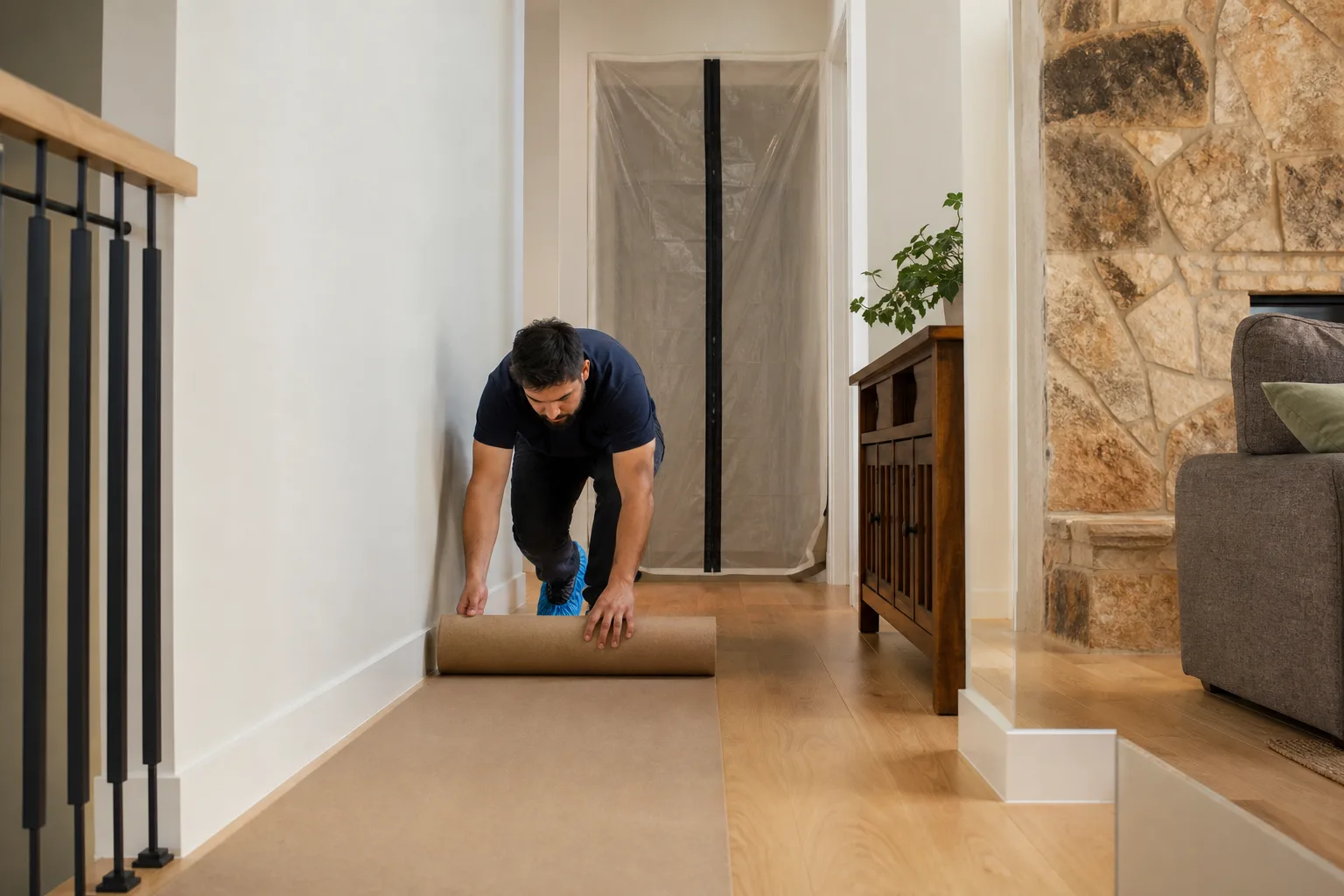
Written price is given before any work starts. We do not start a job and then call you with “one more thing.” The quote includes the tile, the fasteners, the underlayment repair if needed, the labor, and clean-up with drop cloths and shoe covers on every visit. You’ll get a photo of the roof after we’re done and the area we worked through below.
DIY or Call Us?
Roof work is one place where we will not cheer you on from the sidelines. A Tampa roof has a steep pitch on most homes, and the concrete tiles themselves are heavy enough that a dropped one from a ladder is as dangerous to you as it is to a paver below. The high-tension part here is the height and the weight, not a mechanical spring, but the result of a misstep is the same: a serious fall. If you need to inspect from the ground, a pair of binoculars works. If a tile is already broken, leave it until someone in a harness can replace it.
What you can do safely is document it: take photos from the ground or from a window, note where the broken tile sits in relation to the ridge and the nearest edge, and call us at (850) 779-4017. Graham Stein and the crew will match the tile from your photos and our inventory, and we will show up with the right piece instead of climbing your roof three times to figure out which one it is.
FAQs
Properly installed Barrette concrete tile can last 30 – 50 years, but the underlayment beneath the tile typically needs replacement at the 20 – 30 year mark in Tampa’s wet climate. The tile itself often outlives the waterproofing, which is why we inspect both whenever we’re on a roof for a repair.
A hairline crack can sometimes be sealed with a polyurethane sealant as a temporary fix, but any tile with a visible fracture through the full thickness should be replaced. The sealant degrades in Tampa’s UV and heat, and a repaired tile will fail again before the year is out.
Most single-tile or small-section Barrette repairs are done in one visit, usually one to three hours on site. The tile matching happens before we arrive, using the photos and mold stamp information you send ahead of time.
We keep common Barrette-compatible profiles on hand in neutral and sun-faded colors, and order specific color or mold-year matches when the roof calls for it. If we can match from our truck inventory, you save the wait. If we have to order, we’ll tell you the lead time when we give you the written price.
If your Barrette roof is failing in Tampa, call (850) 779-4017 for a free estimate. We’ll match the tile, quote the repair in writing, and leave your home the way we found it – drop cloths and shoe covers included, no debris in the yard.
Written by Graham Stein, Owner, Elmstead Remodeling Tampa at Elmstead Remodeling Tampa, serving Tampa and nearby areas.