
Free written scope consultation - allowances, timeline, and change-order rules on paper before a single trade is scheduled
Sterling Home Additions & ADU: The Tampa Owner’s Guide
We stock and install Sterling-compatible home addition and ADU components across Tampa, with full project builds typically running $45,000 – $130,000 depending on square footage, foundation work, and finish level. Most owners discover a failing part the hard way: a ledger board pulling away from the house on a humid August morning, a door frame that no longer closes square, or drywall cracks spreading from a corner that has been quietly moving for six months. When that happens, you need a crew that can diagnose the structural issue, name the exact material needed, and write the fix into a price before any work begins.
Elmstead Remodeling Tampa is an independent contractor. We are not affiliated with Sterling, but we work with Sterling product lines regularly and know their framing details, connection hardware, and trim profiles well enough to match new work to existing construction without it looking like an afterthought.
Which Sterling Models This Applies To
The Sterling home addition and ADU line spans several series, and the compatibility question usually comes down to two things: the year the original structure was built and the wall profile used at the connection point. Older Sterling additions in Tampa neighborhoods like Seminole Heights and Palma Ceia often use 2×4 exterior wall construction with a specific ledger connection detail. Newer builds, especially ADUs raised on stem walls after 2015, tend to run 2×6 framing with engineered rim boards. If you are replacing a wall panel, a window buck, or a door frame, the rough opening dimensions and the nailing pattern matter more than the series name.
To identify the exact part, look for a small aluminum tag on the inside of the door jamb or along the bottom plate of the wall. The tag usually carries a four-digit series code and manufacture date. If the tag is gone, we measure the stud spacing, wall thickness, and corner post size on site. For Sterling specifically, genuine OEM replacement parts make sense when the job touches the structural connection or the waterproof flashing detail. For trim, interior casing, and non-structural filler, quality aftermarket equivalents from names like KraftMaid, Cambria, and Silestone often match or exceed the original at a better price. We walk through that decision with you before any material gets ordered.
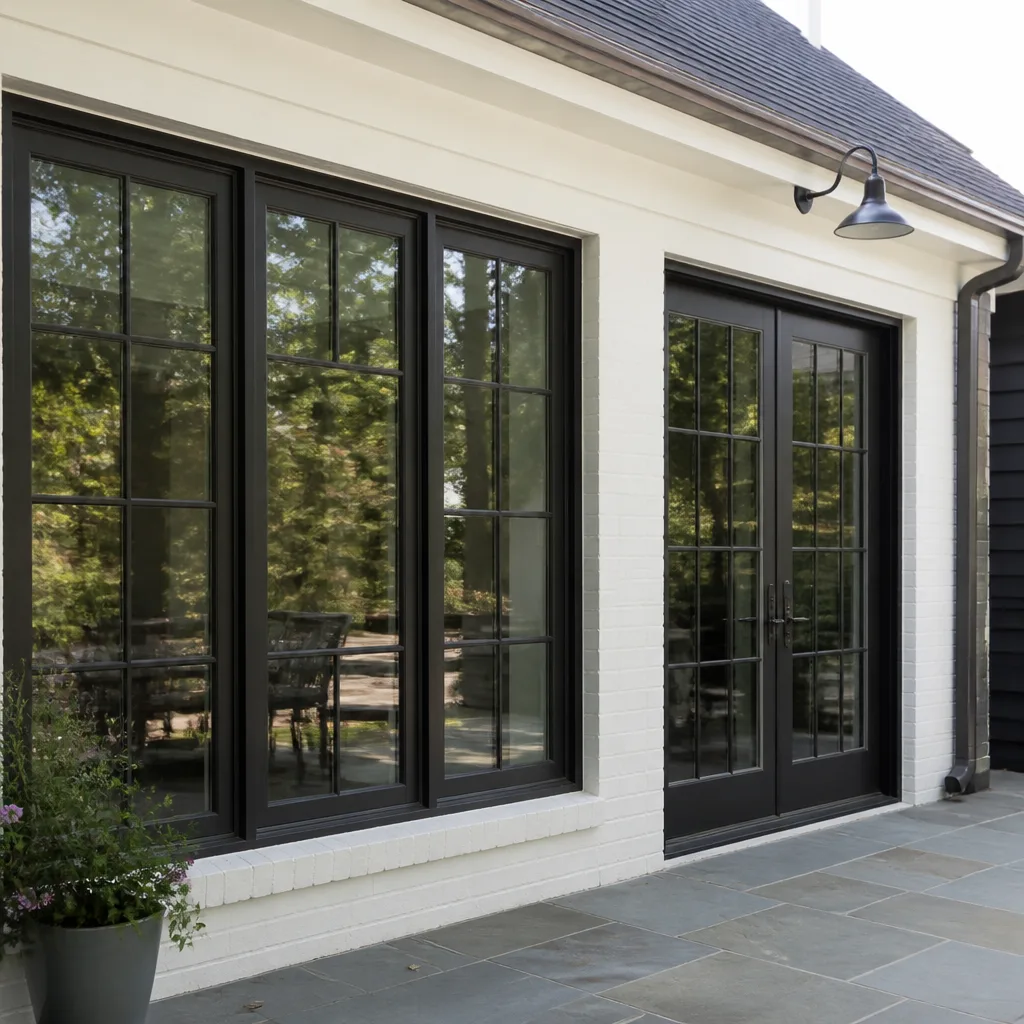
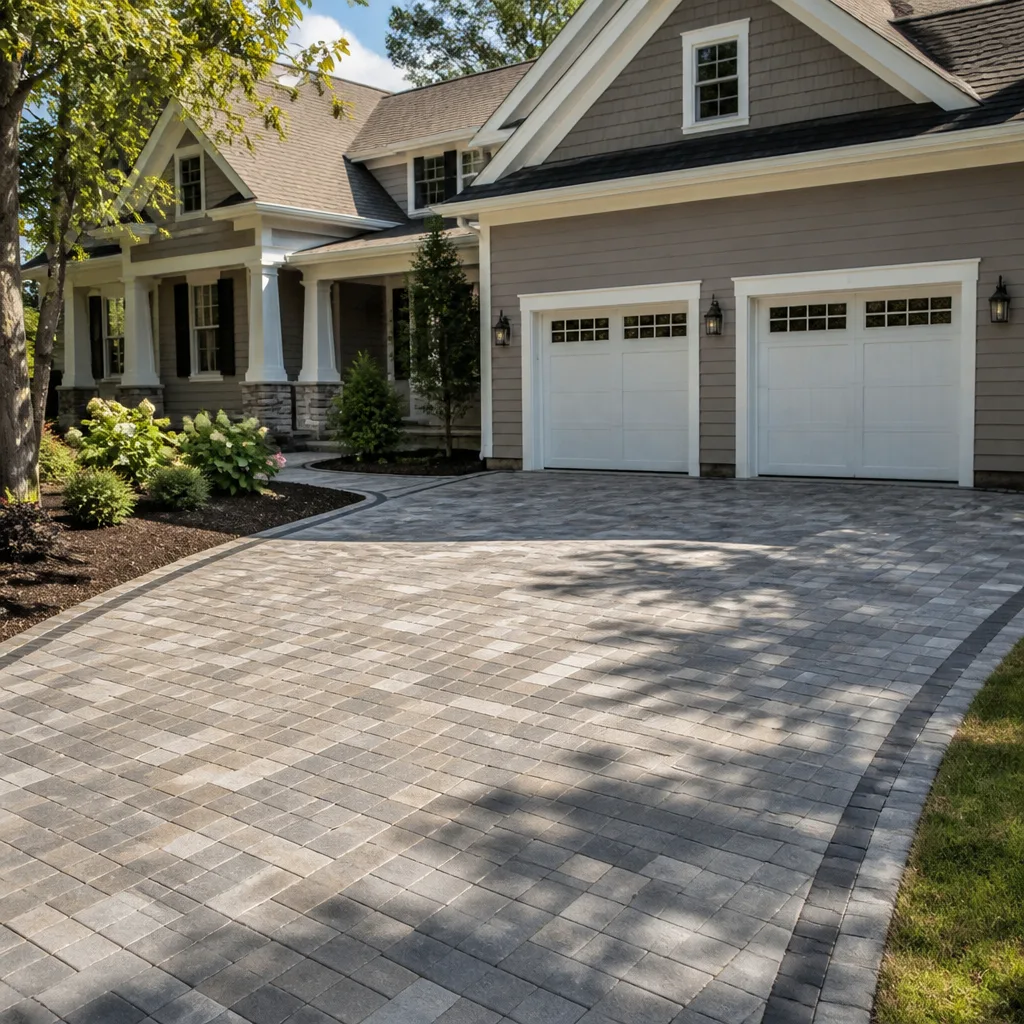
Styles & brands we work with
Signs Your Sterling Home Additions & ADU Is Failing
- Drywall cracking at the top corner where the addition meets the main house. This usually means the connection point is moving independently of the original structure. Foundation settling or a ledger that was never properly flashed lets water in and loosens the fasteners over time.
- A door that sticks at the top of the strike side in summer, then swings free again in winter. Tampa’s wet-dry seasonal cycle expands and contracts wood framing. If the door jamb is carrying load it should not carry, the movement gets worse each year.
- Dark staining or soft drywall at the base of the wall nearest the ground. The sill plate is wicking moisture. In Tampa’s humidity, a missing capillary break or improperly lapped housewrap shows up within three to five years, and by then the bottom plate usually needs replacement.
- Floor slope inside the ADU that runs toward one corner. Pier settlement is common in Tampa’s sandy soils, especially for ADUs set on crawl spaces or shallow piers. A quarter inch over eight feet is a warning sign. A half inch is a structural conversation.
- Gaps opening between the exterior siding boards or trim joints that were once tight. The wall assembly is swelling and shrinking. On Sterling builds with fiber cement lap siding, failed caulk joints let water ride the seam behind the siding, and the damage travels inward from there.
See the difference
 Before
 After
After Before
 After
After Before
 After
AfterReplacement Cost & What’s Included
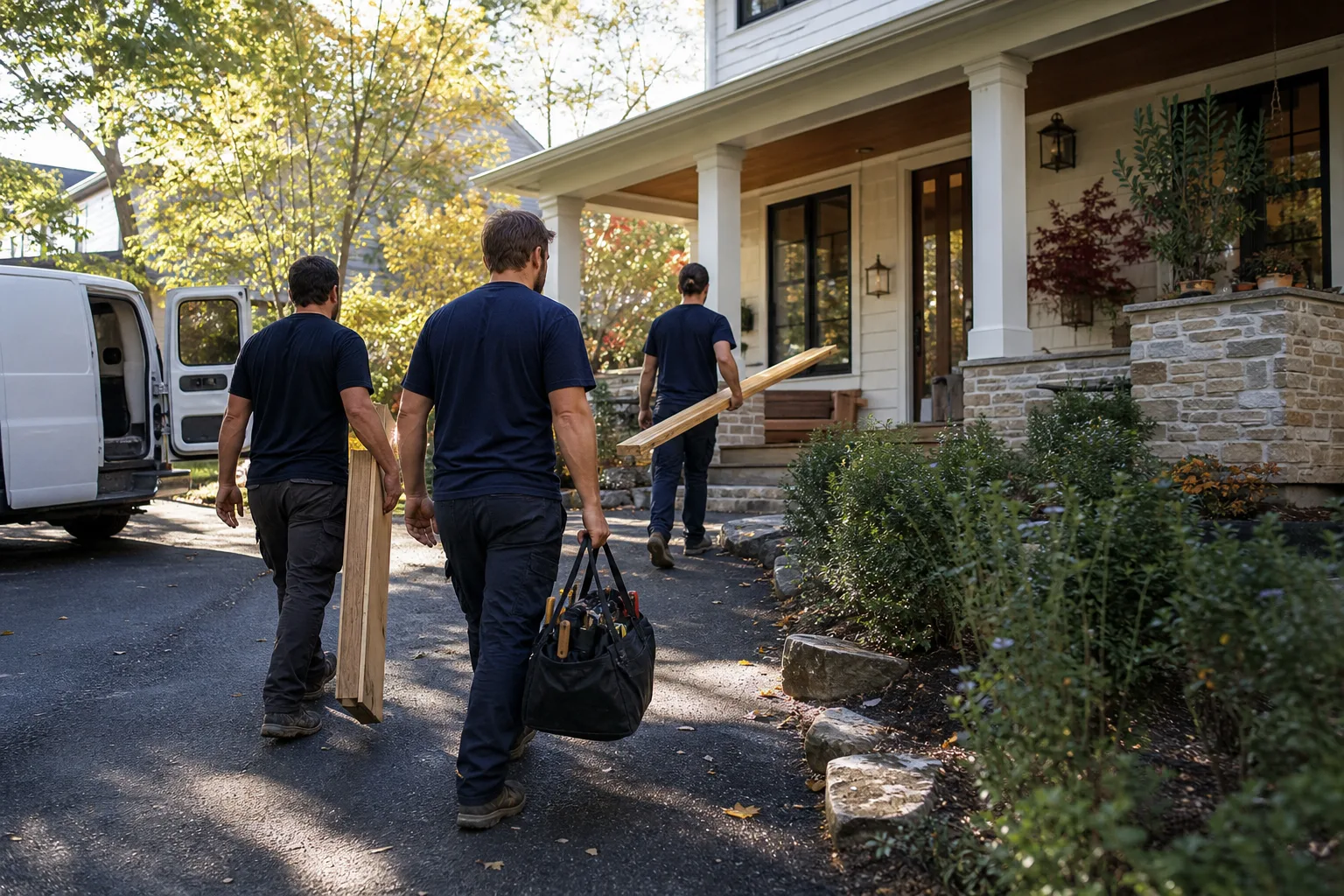
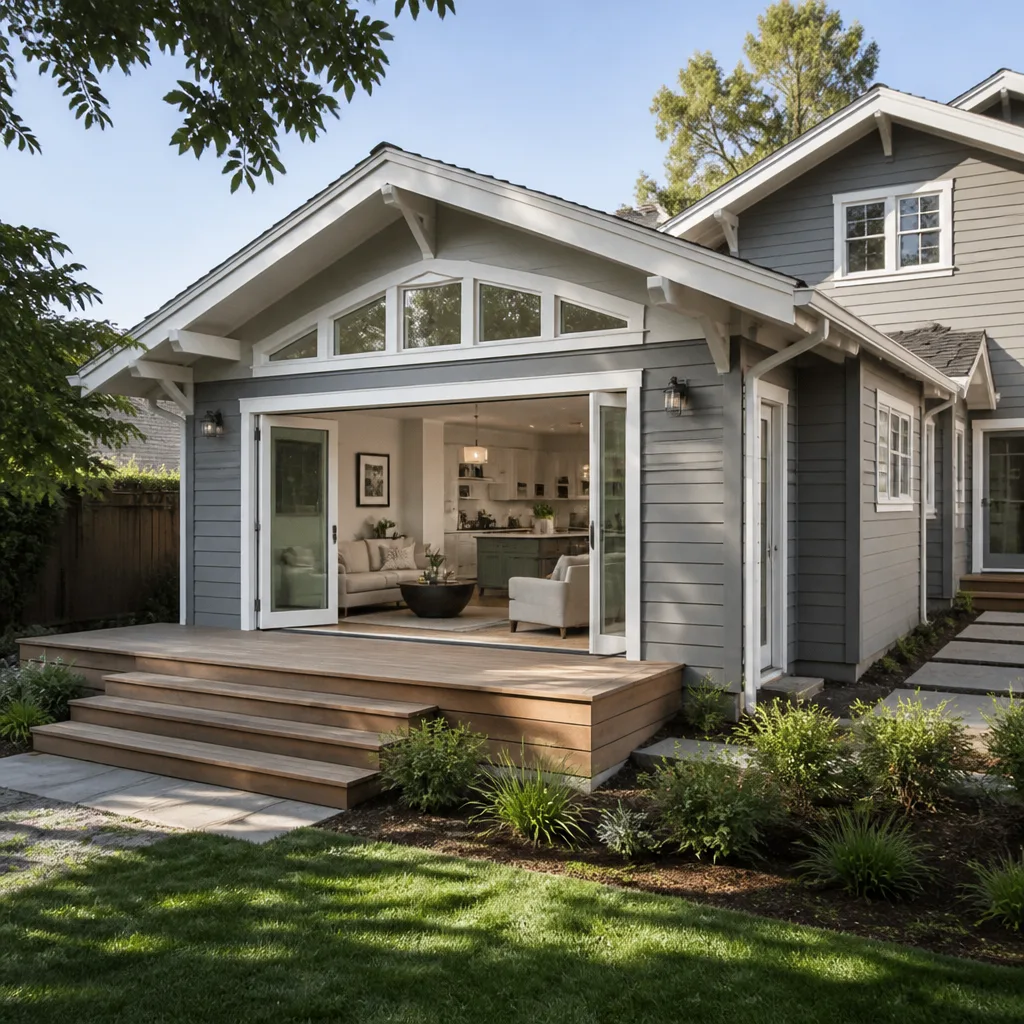
Home additions in Tampa run $45,000 – $130,000 installed. ADU construction runs $90,000 – $220,000. Where your project lands inside that range depends on square footage, whether we are repairing a failing connection or building new from the slab up, foundation type, and the finish materials you choose. We write the full scope with line items before a single tool comes off the truck, and the price does not change unless you change the scope.
Here are the component prices our Tampa clients most often ask about:
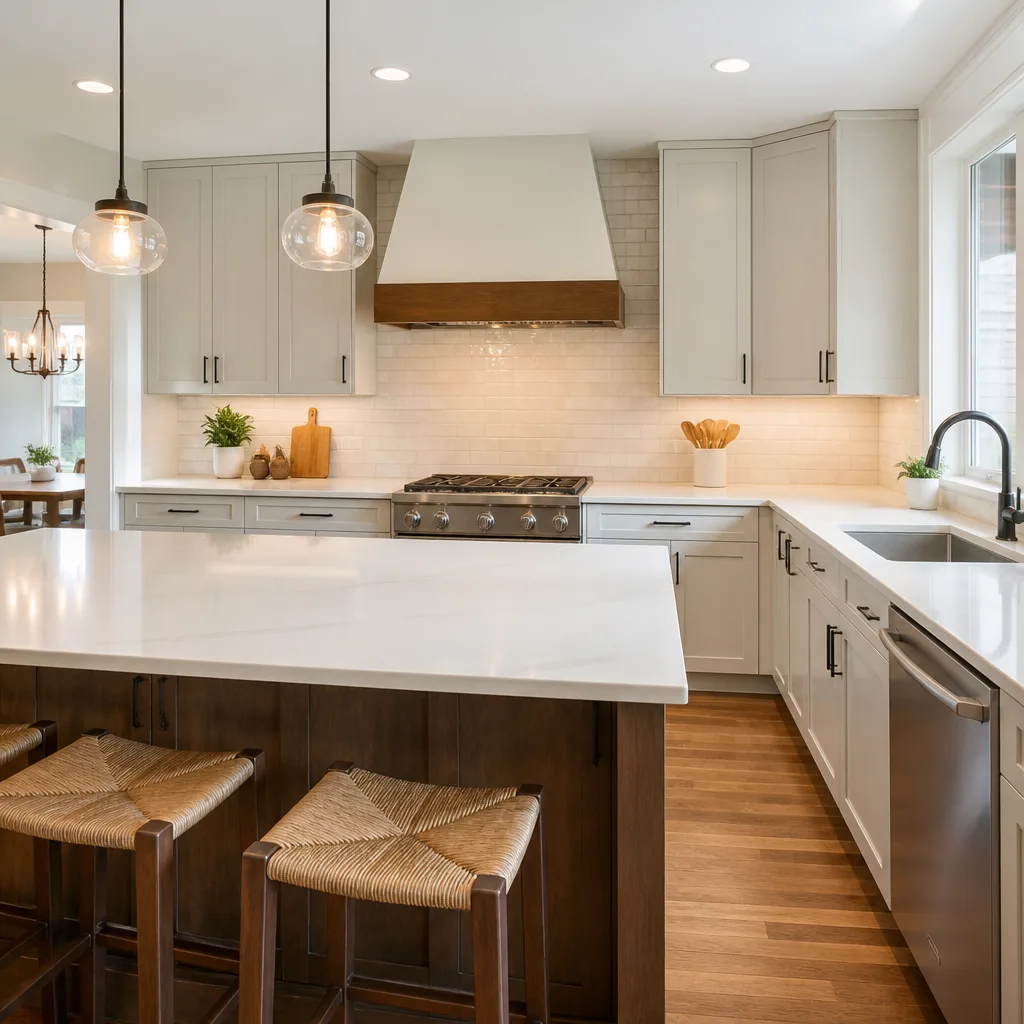
- Garage conversion to living space: $30,000 – $80,000 depending on insulation, plumbing runs, and whether the existing slab needs leveling.
- Kitchen addition or expansion: $14,000 – $45,000 for the kitchen scope when tied into a larger addition build.
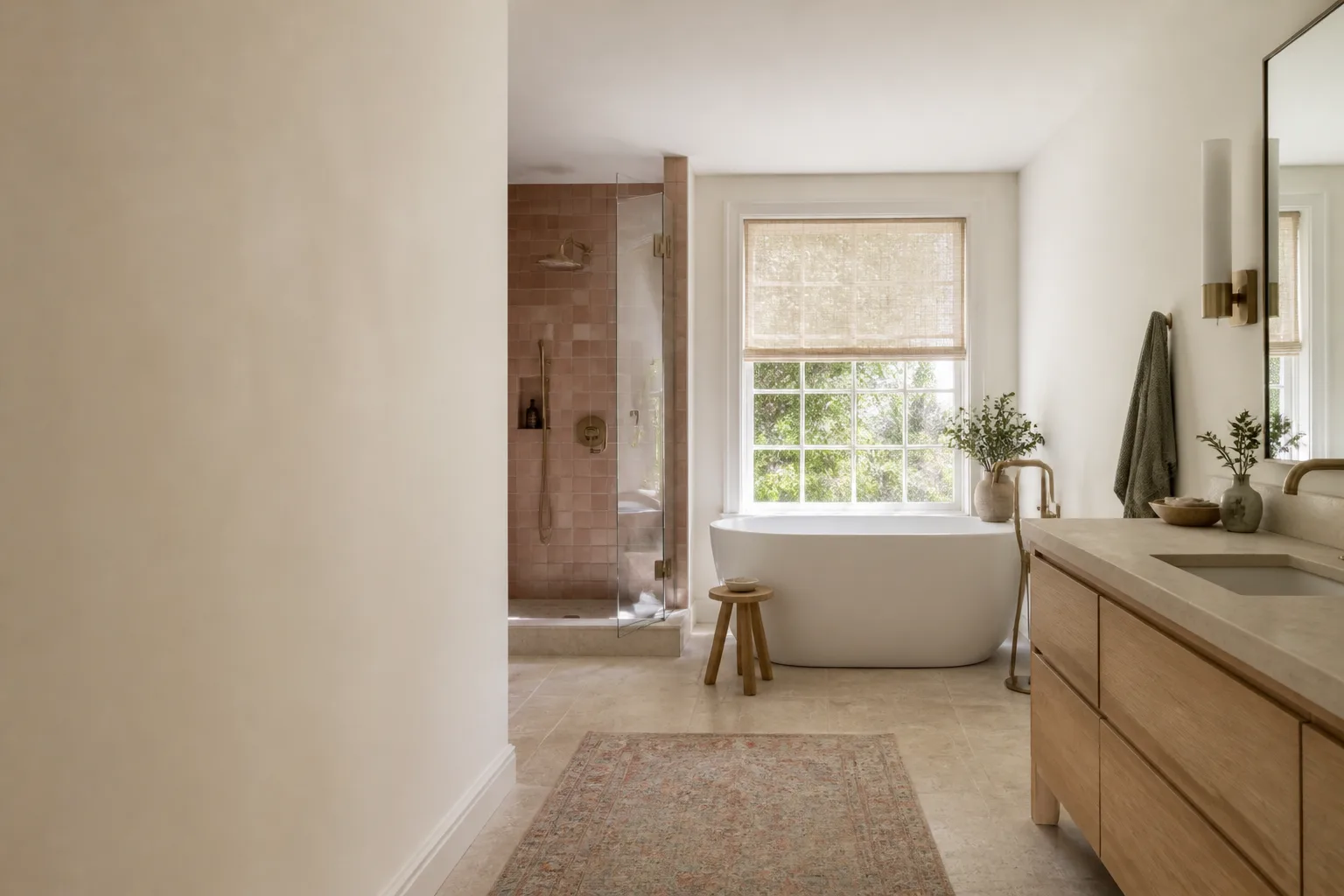
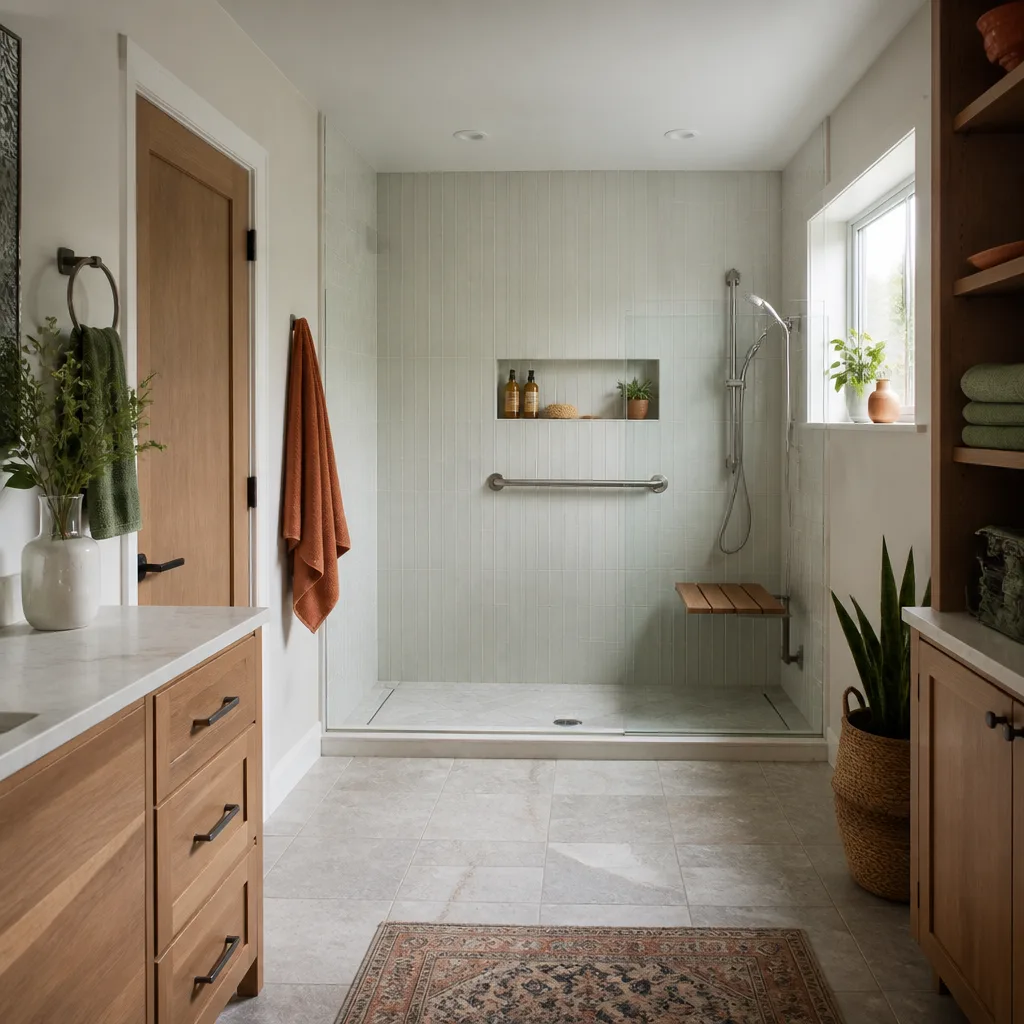
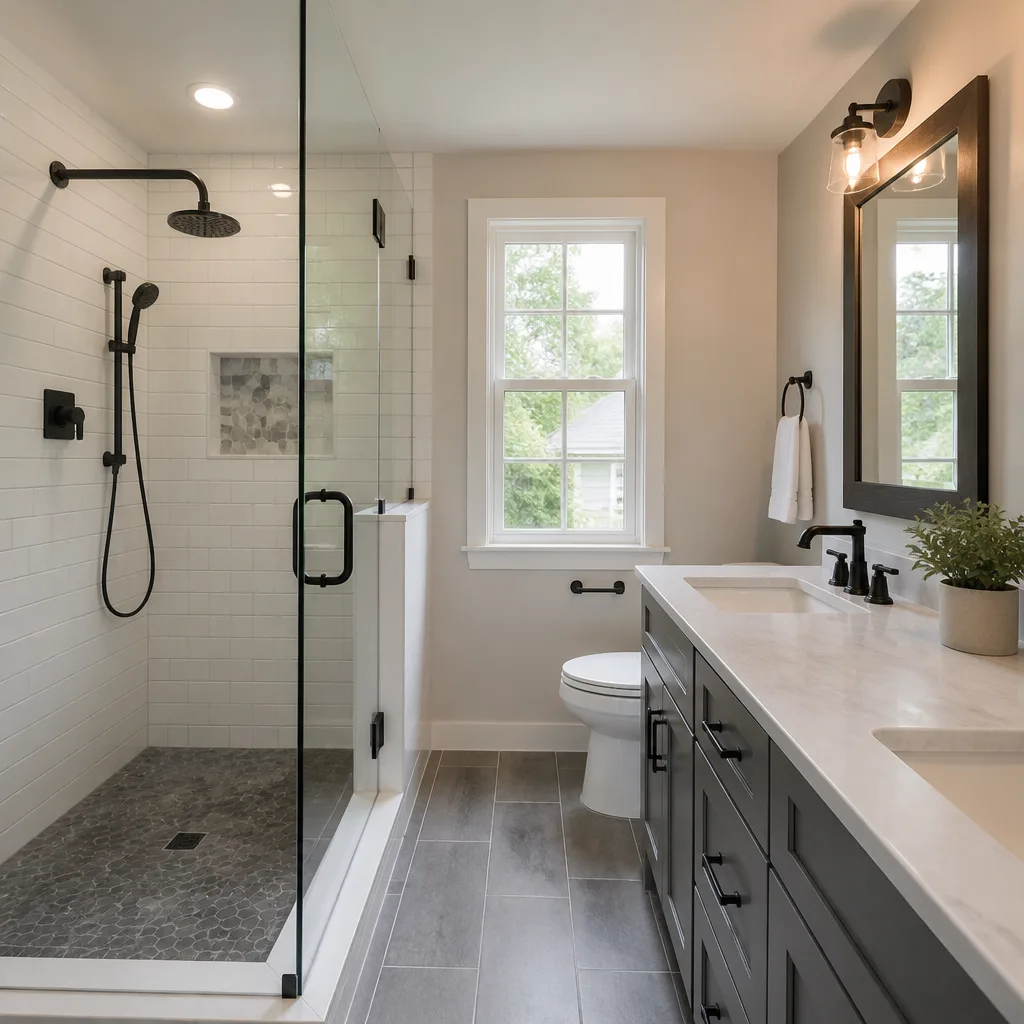
- Full bathroom in the new addition: $9,000 – $28,000 including rough-in, waterproofing, tile, and fixtures from Kohler or Moen.
- Countertops for the new space: $2,000 – $6,500 depending on whether you choose Cambria quartz, Silestone, or a solid surface.
- Impact windows in the addition: $8,000 – $25,000, and in Tampa’s wind zone, this is a code conversation, not a preference.
Every project carries the 365-Day Done Right Promise. If it is not done right after we leave, we come back and make it right. Not a prorated warranty. Not a phone tree. The promise is written on the scope, signed by Graham Stein, and honored for a full year.
DIY or Call Us?
For a home addition or ADU connection failure, the honest answer is: call us. When a ledger board or a load-bearing wall connection is involved, you are dealing with the part of the house that holds people up. A failed repair here is not a cosmetic problem. It is a structural one, and in Florida’s wind and humidity, it gets dangerous faster than homeowners expect. Graham Stein learned the trade at Los Angeles Trade-Technical College and has spent two decades framing additions and gut renovations, so he will tell you straight: the tolerance on a ledger connection is not something you eyeball.
That said, there are things you can check safely. Look for the aluminum tag to identify the series. Photograph the cracking or staining with a tape measure in the frame so we can see the scale. Check whether doors bind only in one season or year round. Write down when the problem first appeared. That information saves us a diagnostic trip, and we would rather spend the time on the fix. Call (850) 779-4017 and we will talk through what you are seeing. We write it down before we start so nobody is guessing mid-project.
FAQs
A properly built addition on a sound foundation should last the life of the main house, but Tampa’s humidity and wet-dry seasonal cycles shorten the life of flashing, caulk joints, and any unprotected wood at the base. Flashing details typically need attention every seven to ten years. Call (850) 779-4017 and we can inspect yours.
Usually yes. If the failure is limited to the ledger flashing, rotted bottom plate, or a settled pier, we repair the damaged section, dry everything out, and re-secure the connection. If the framing has been wicking water for years, the repair scope grows, but a full rebuild is rare. We give you the repair scope with a written price before any work starts.
A focused repair like a ledger re-flash or a bottom plate replacement takes three to six working days. A full addition or ADU build runs eight to sixteen weeks depending on size, foundation work, and the finish schedule. We keep quiet tools on site during family rest hours and tell you the working hours up front.
We stock common connection hardware, flashing, sill plate lumber, and framing hardware on our trucks for Sterling-compatible repair work. Series-specific trim and OEM door frame parts are ordered per job with the lead time factored into your schedule. We never start the work until the right part is in hand.
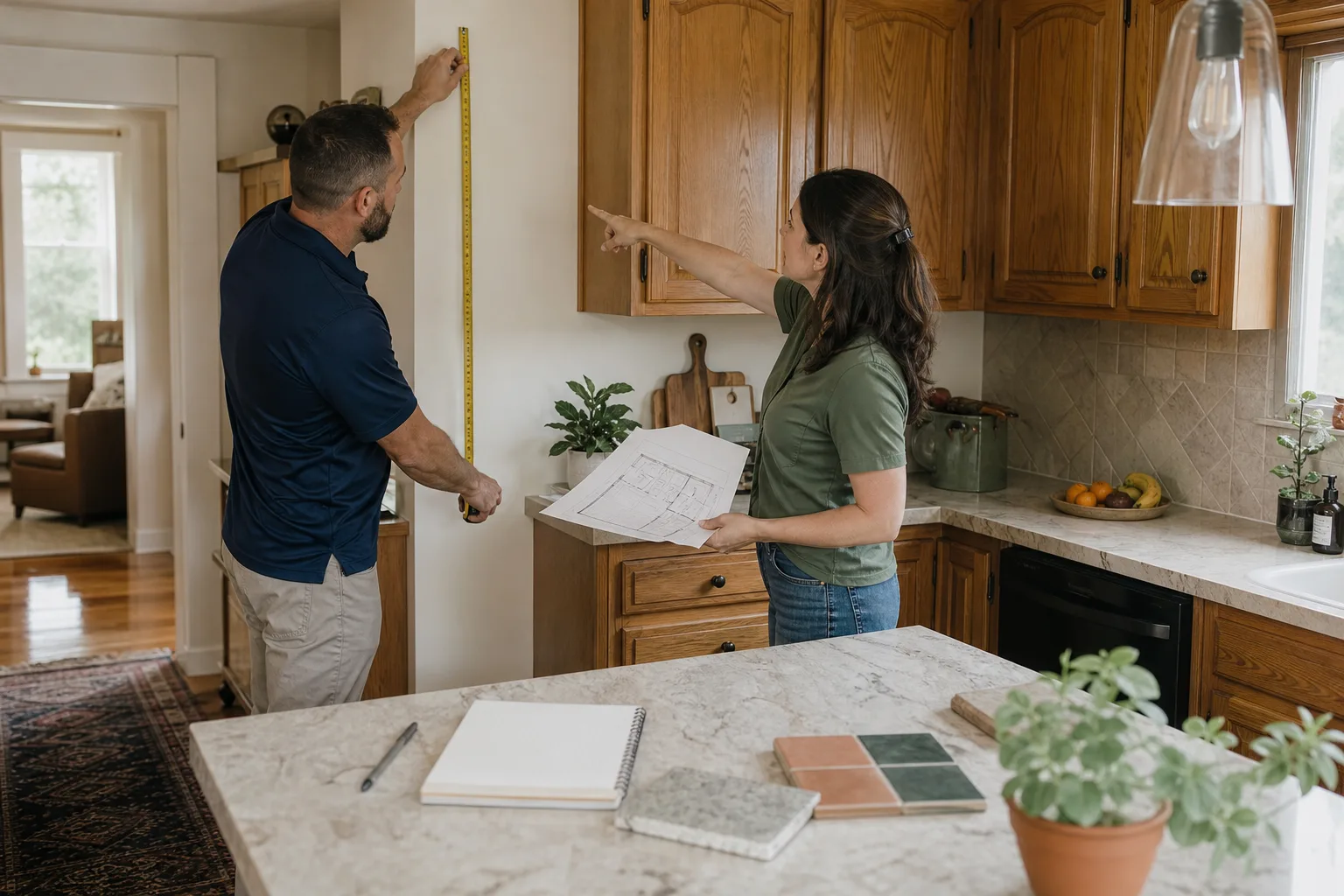
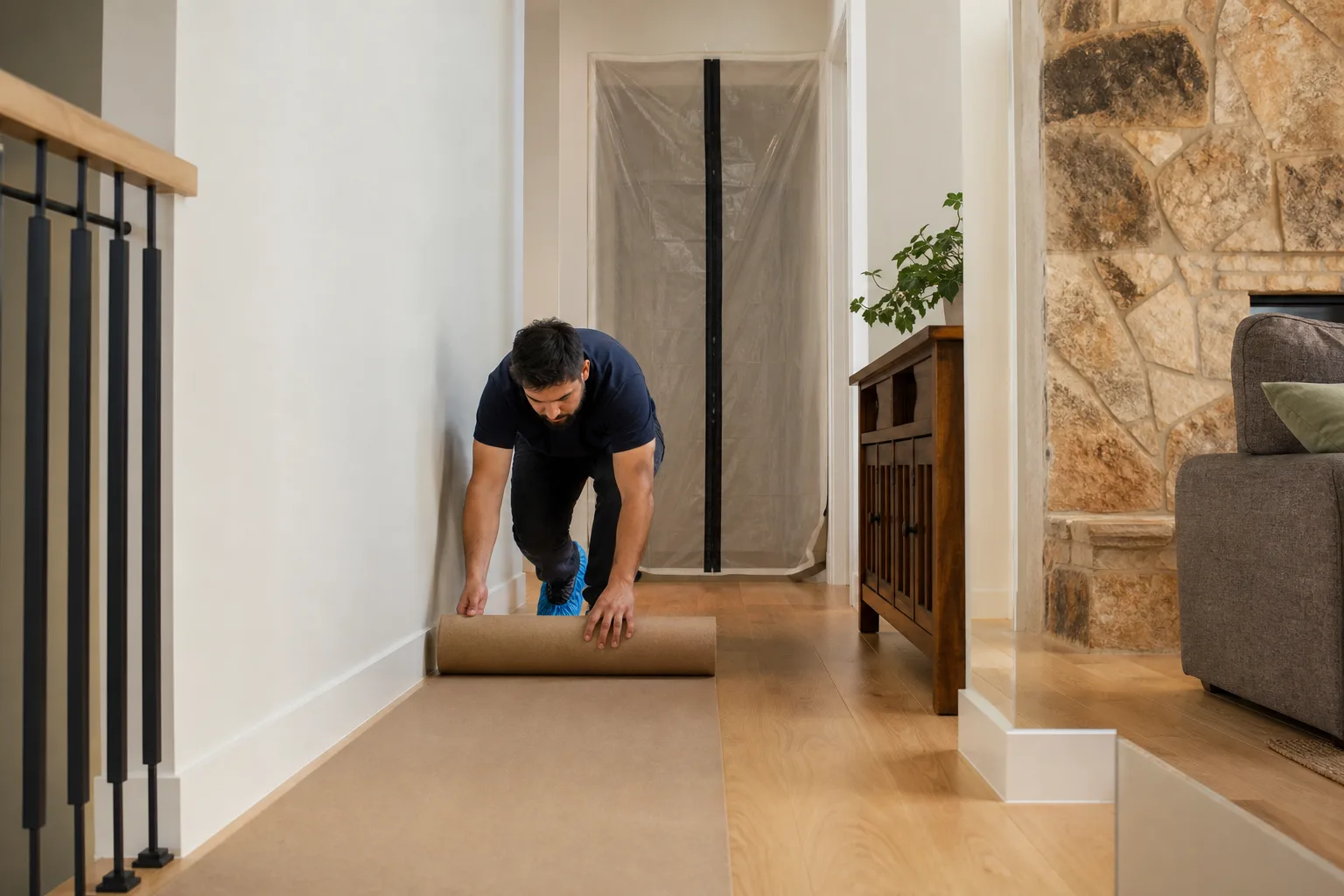
If your Sterling addition or ADU is showing any of the signs above, call Elmstead Remodeling Tampa at (850) 779-4017. We will schedule a walkthrough, listen to what you are seeing, and give you a written line-item price before any work begins. Shoe covers at the door, drop cloths on the floors, and a photo of the clean-up before we leave. That is how every job ends.
Written by Graham Stein, Owner, Elmstead Remodeling Tampa at Elmstead Remodeling Tampa, serving Tampa and nearby areas.